
Latest guide
Host vs IP Address: Are They the Same? DNS & NAT
Are host and IP addresses the same? Learn how DNS, interfaces, NAT, and routing relate—and why one host can use multiple IPv4 or IPv6 addresses.
IPv4 decision library
Continue through distinct guides on page 13 of 15. Each page has a stable URL so you can return to this point in the archive.
Archive position
Page 13 of 15
177 published guides
From the library
These are the distinct guides on page 13 of 15. Use the controls below to move through the archive.
Latest guide
Are host and IP addresses the same? Learn how DNS, interfaces, NAT, and routing relate—and why one host can use multiple IPv4 or IPv6 addresses.
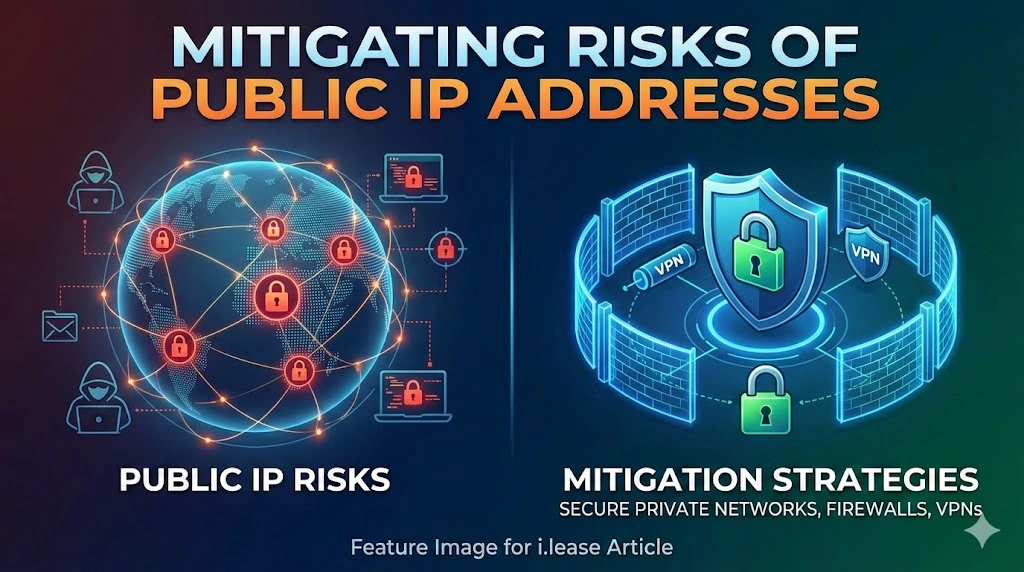
While the risks associated with public IP addresses are significant, several measures can be taken to mitigate these dangers. Here’s a detailed guide on how to protect your network from the potential hazards of using public IP addresses. Use Firewalls Implementing a robust firewall is one of the fir
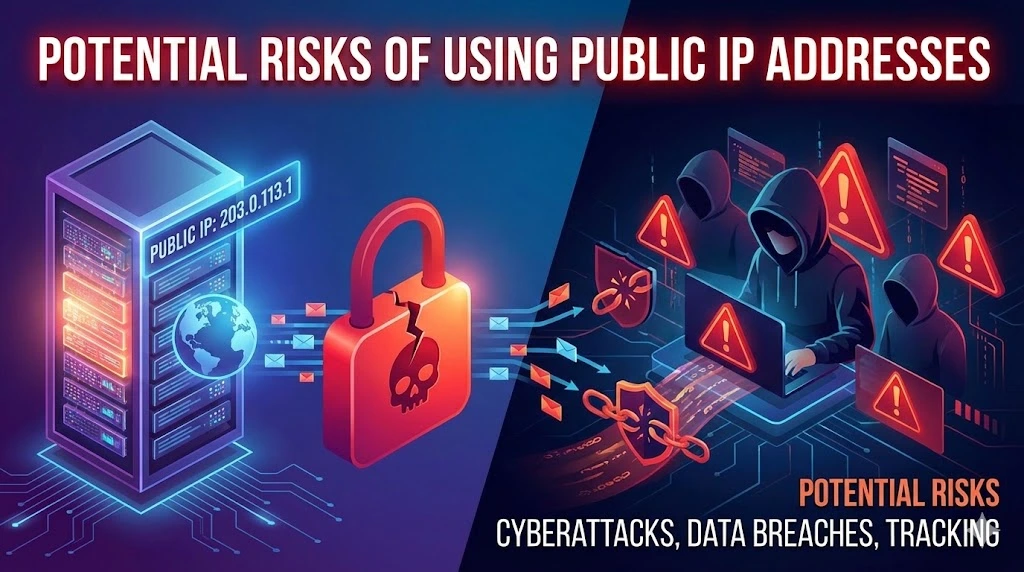
Learn what a public IP can reveal, when exposure becomes a security risk, and how firewalls, patching, DDoS controls, and monitoring reduce it.
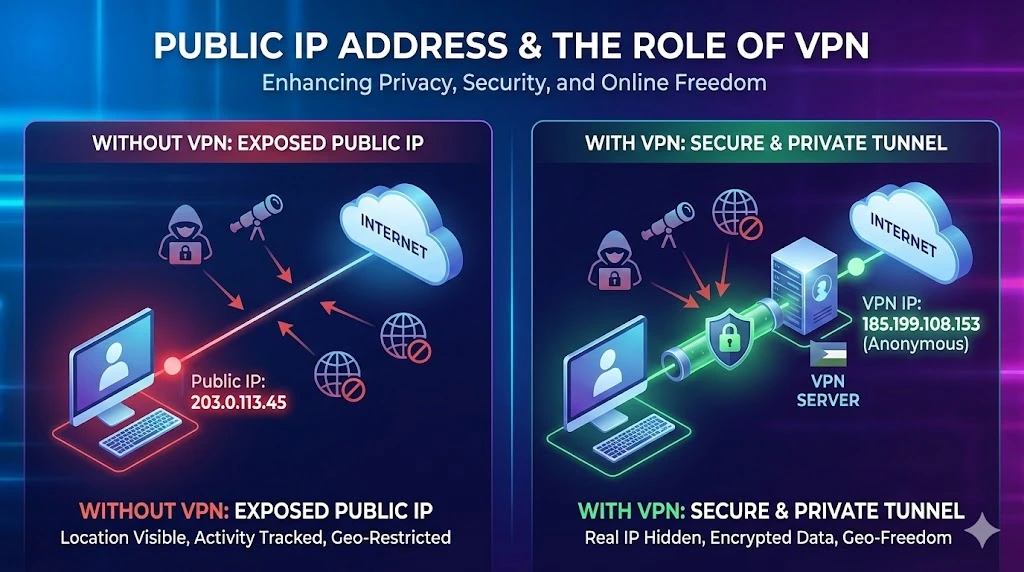
A VPN can change the public IP seen by websites for tunneled traffic. Compare shared, dedicated and static VPN IPs, IPv6, DNS and inbound access limits.
Learn what an IP address can reveal about registration, ASN, approximate location, reverse DNS, and services—and why it cannot identify a person alone.
A VPN can provide a stable exit IP, but static, dedicated, and inbound-reachable addresses differ. Check IPv4, IPv6, NAT, privacy, failover, and ownership.
Police can use an IP address as a lead, but it does not identify a person by itself. See how timestamps, ports, ISP logs, CGNAT, VPNs and Tor affect tracing.
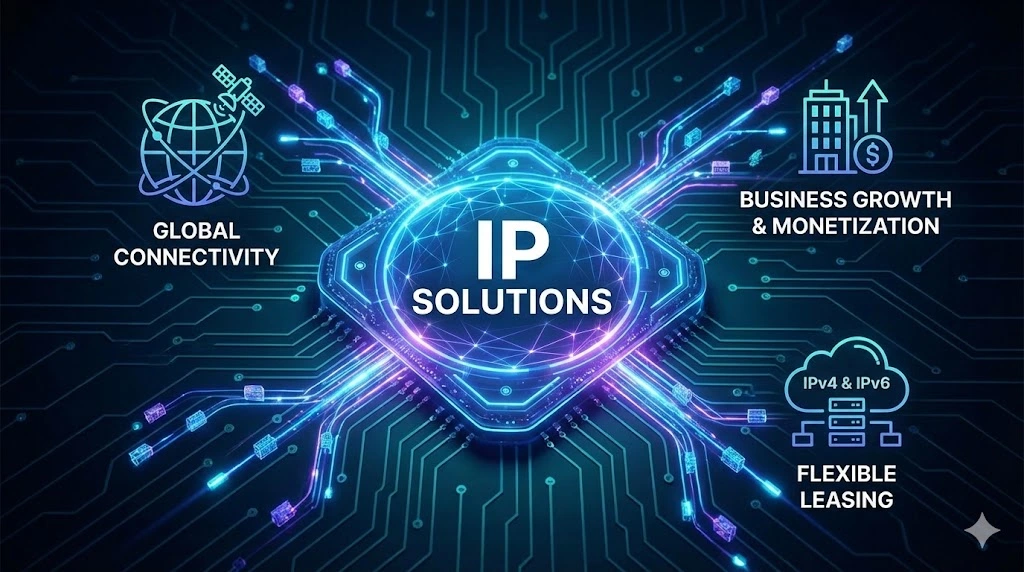
The Internet underpins most business operations, and hence, managing IP (Internet Protocol) resources effectively is crucial. IP solutions involve a range of services and technologies designed to optimize the management and use of IP addresses, which are essential for devices to communicate over the

Learn how IoT devices get IP addresses, when they need public IPv4, and how IPv6, DHCP, SLAAC, NAT, segmentation, and IPAM support secure lifecycles.
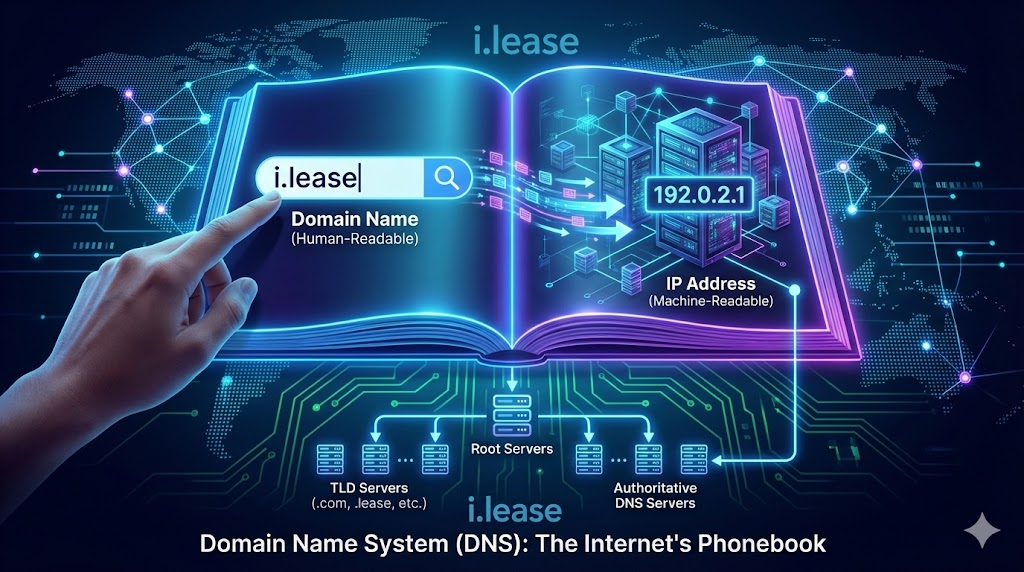
The Domain Name System (DNS) stands as a fundamental component that underpins seamless communication and accessibility across digital networks. While users navigate the internet using familiar domain names, such as google.com or facebook.com, behind the scenes, DNS quietly performs the vital task of
Plan IPv6 adoption across dual stack, DNS, routing, applications, security and monitoring with phased migration steps, acceptance gates and rollback.
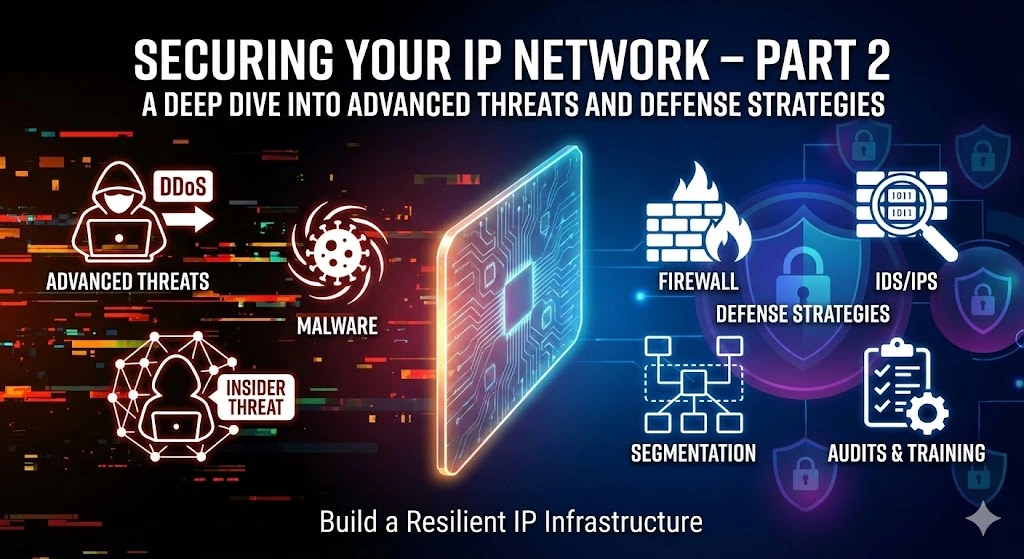
In Part 1 of our series, we explored the importance of securing your IP network and outlined fundamental strategies for enhancing network security. In this instalment, we will delve deeper into the specific measures and best practices for securing your IP addresses and safeguarding your network agai