
Latest guide
Internet Infrastructure Explained: How the Backbone Works
Internet infrastructure combines access networks, fibre, IXPs, BGP routing, DNS, data centres and CDNs. See how a request crosses the Internet.
IPv4 decision library
Continue through distinct guides on page 11 of 15. Each page has a stable URL so you can return to this point in the archive.
Archive position
Page 11 of 15
177 published guides
From the library
These are the distinct guides on page 11 of 15. Use the controls below to move through the archive.
Latest guide
Internet infrastructure combines access networks, fibre, IXPs, BGP routing, DNS, data centres and CDNs. See how a request crosses the Internet.
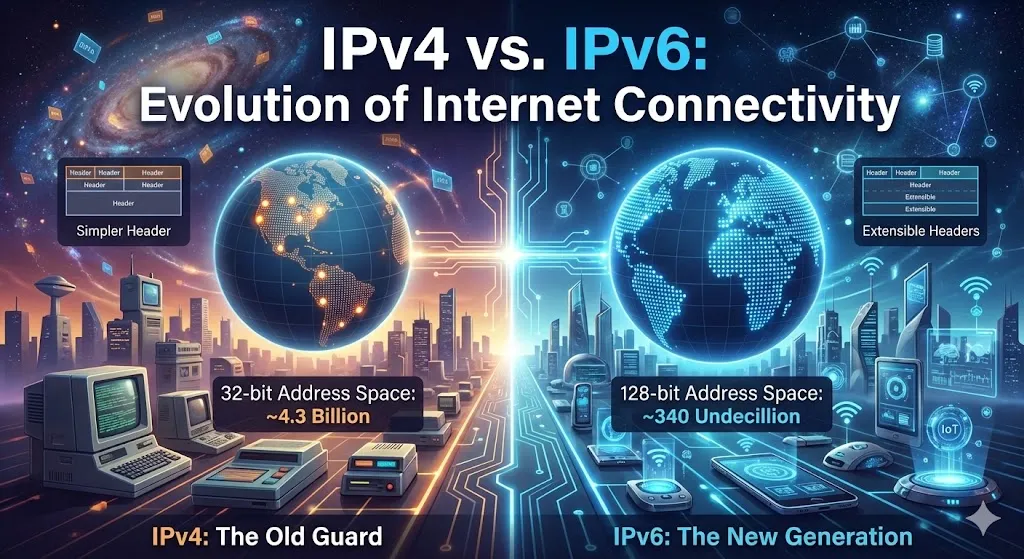
IPv4 and IPv6 are two versions of the Internet Protocol. They are used to identify devices, route traffic, and allow networks to communicate across the internet. IPv4 is the older and still widely used version. IPv6 is the newer version, created to provide a much larger address space and support lon
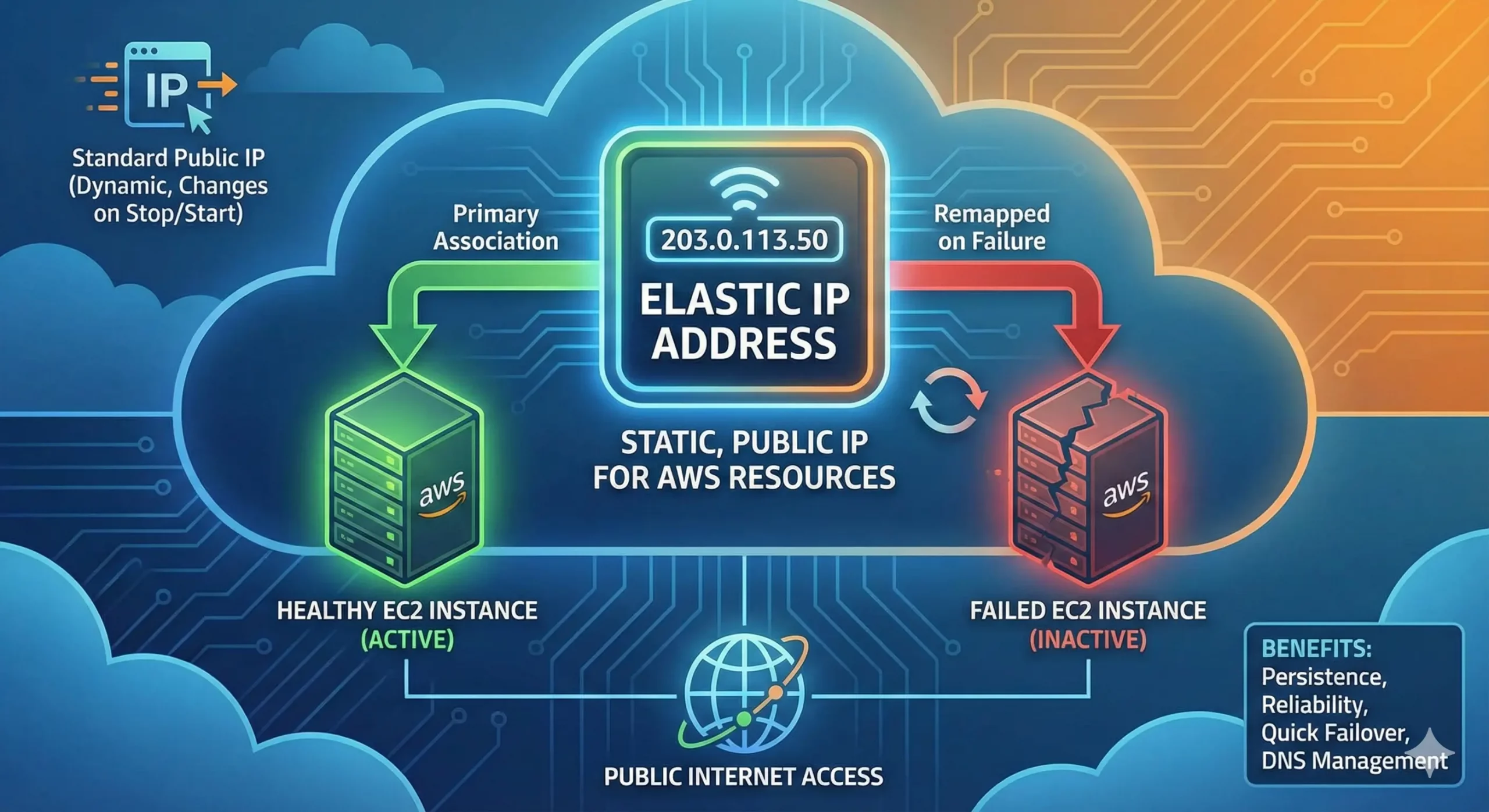
Standard Amazon-provided EIPs are $0.005 per public IPv4 address-hour, in use or idle. Compare contiguous-block and BYOIP exceptions, limits, and failover.
Learn how investigators connect IP, provider, account, device and payment records—and how to preserve evidence and report cybercrime through official channels.
The Internet Protocol (IP) is the backbone of the modern Internet, enabling devices to communicate across vast networks. But have you ever wondered how IP addresses evolved? Let’s explore the history of IP addresses, from their inception to the widely used IPv4 and IPv6, and clarify what happe
IPv5 was an experimental stream protocol, not the successor to IPv4. Learn what version 5 meant, why IPv6 uses 6, and what exists today.
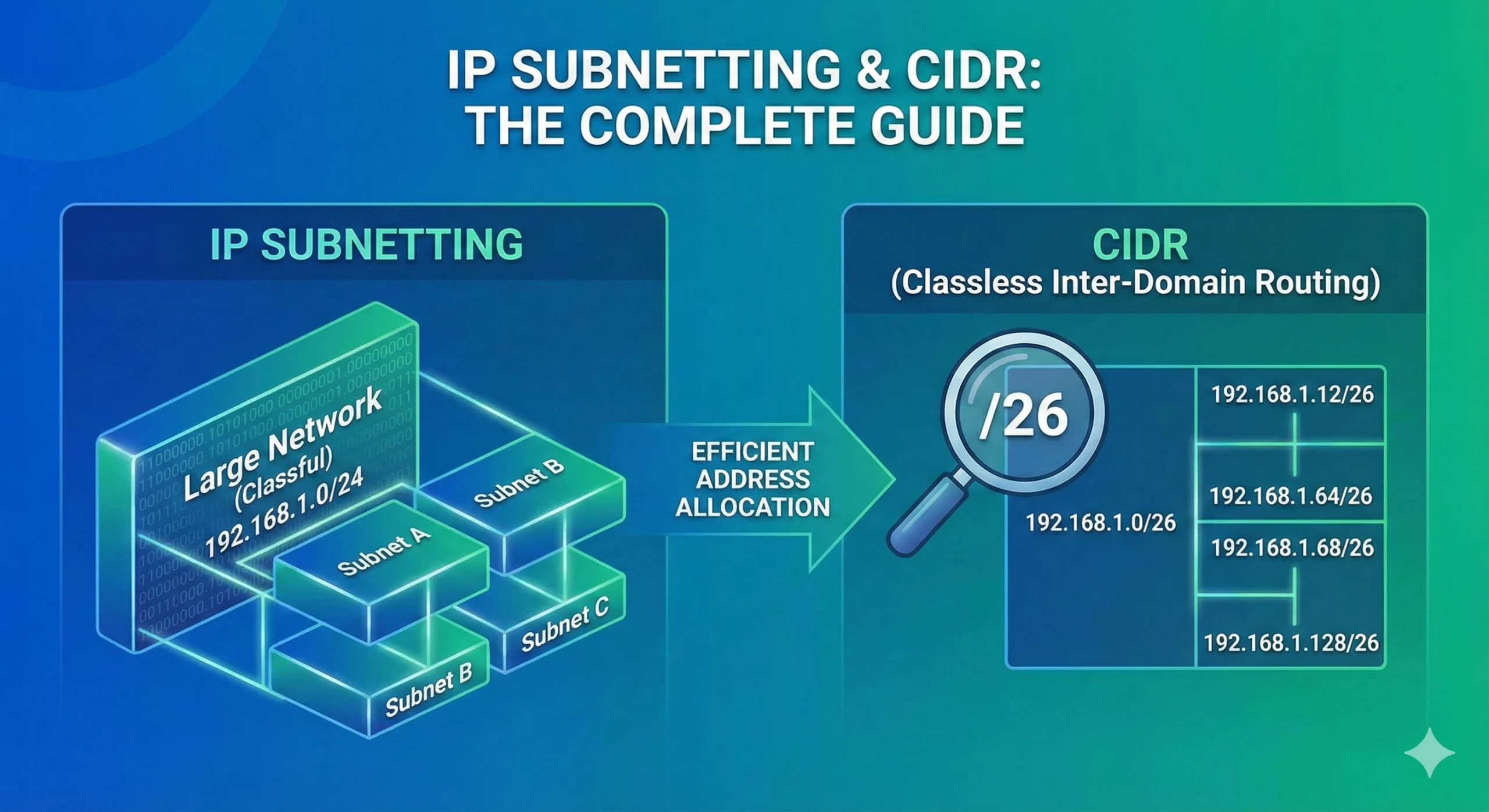
In Internet communication, IP addressing is a cornerstone technology that allows devices to connect and exchange information seamlessly. For Internet Service Providers (ISPs) and IT professionals, understanding IP subnetting and CIDR (Classless Inter-Domain Routing) is essential for efficient networ
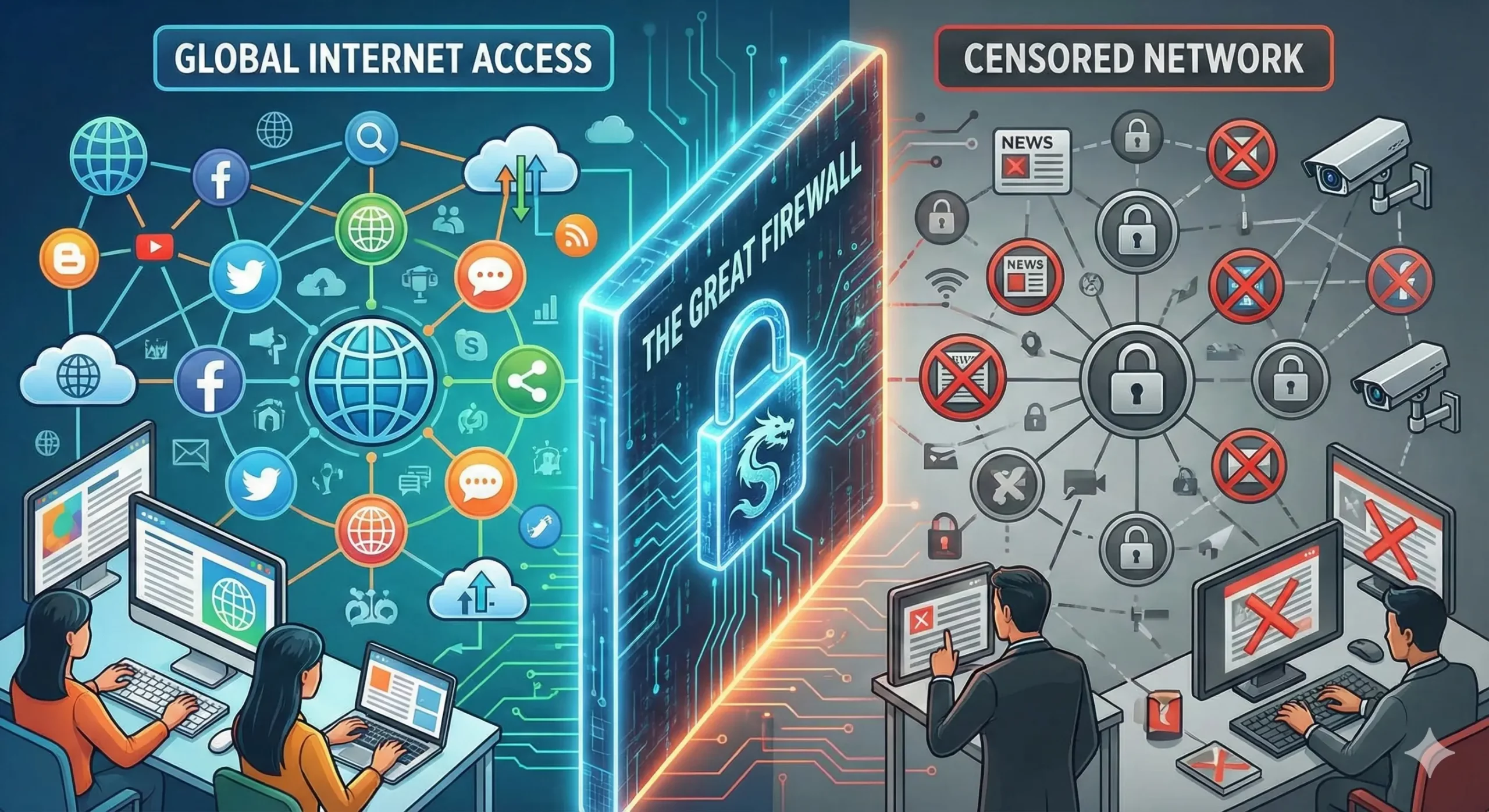
Internet Censorship and the Great Firewall: Understanding the Boundaries of the Digital World The Internet has revolutionized the way we connect, learn, and share information, but its open nature has also led to significant debates about control, privacy, and freedom. At the center of these discussi
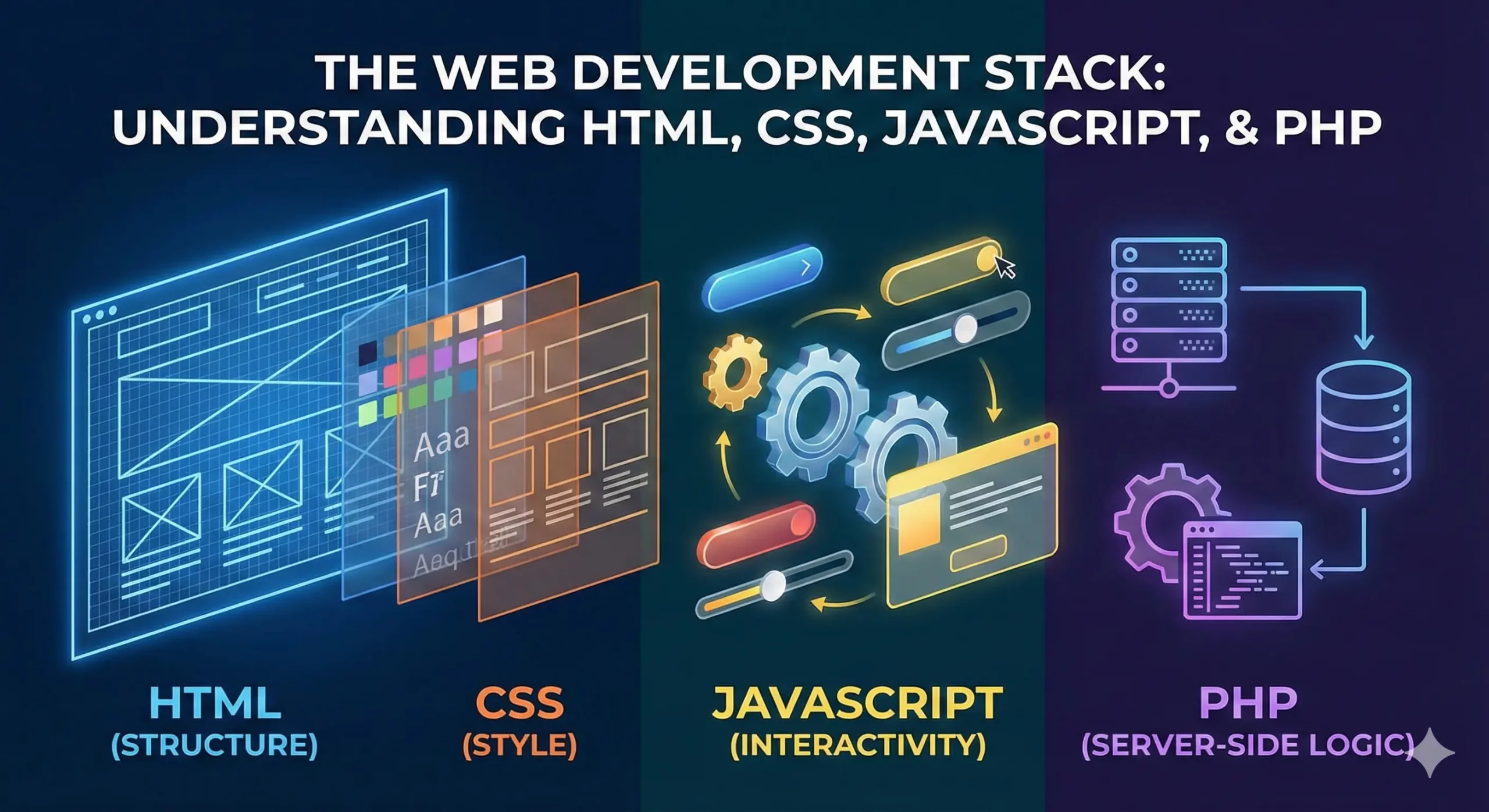
The world of web development may sound intimidating, but understanding its foundational languages—HTML, CSS, JavaScript, and PHP—can simplify it for anyone. These languages play distinct roles in creating the websites and applications you interact with daily. Here’s a breakdown: HTML (HyperTex
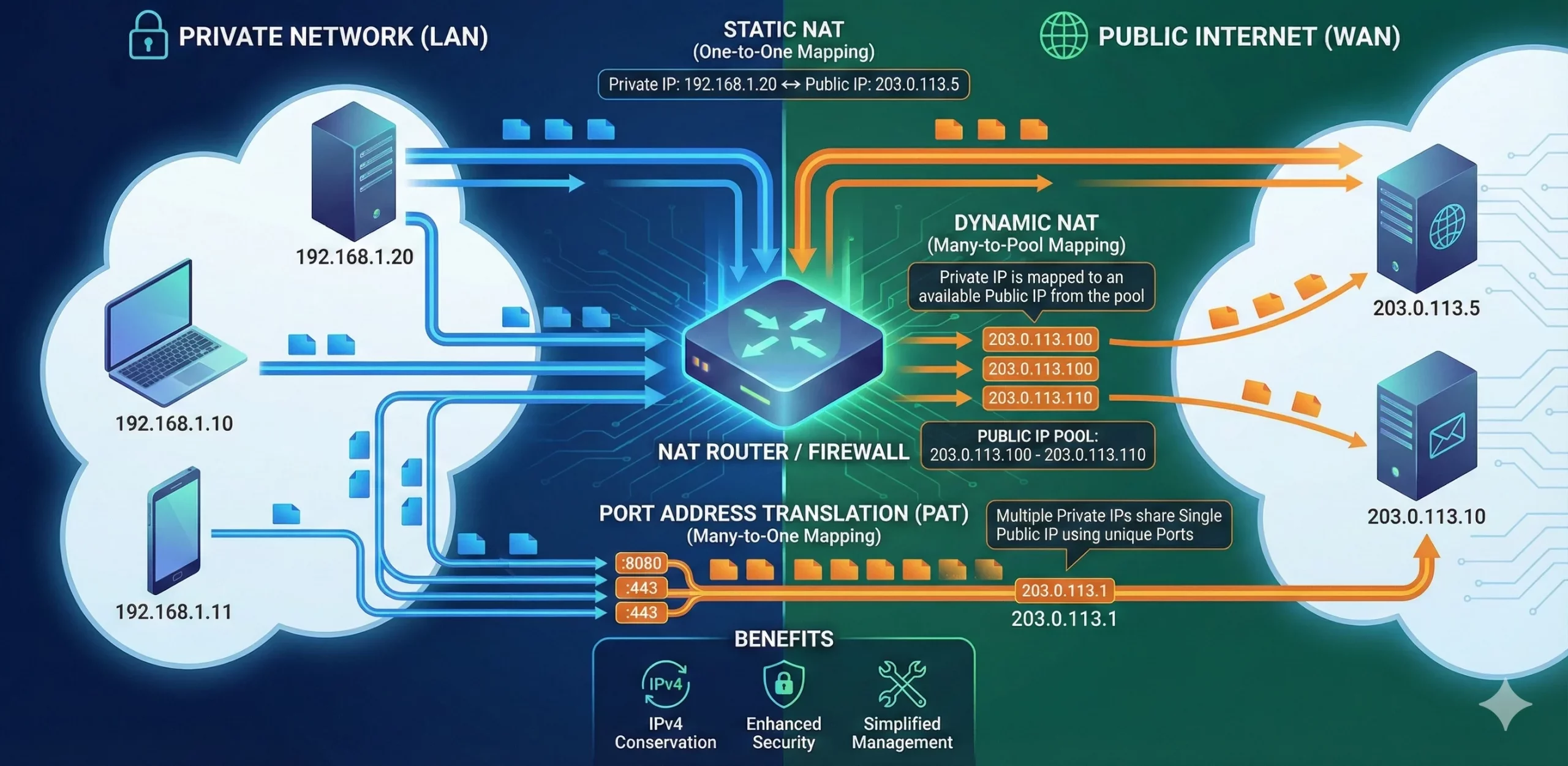
Understanding ICANN: The Internet’s Governing Body The Internet Corporation for Assigned Names and Numbers (ICANN) is a digital organization responsible for coordinating and managing the Internet’s unique identifiers, including domain names and IP addresses. Established in 1998 as a non-
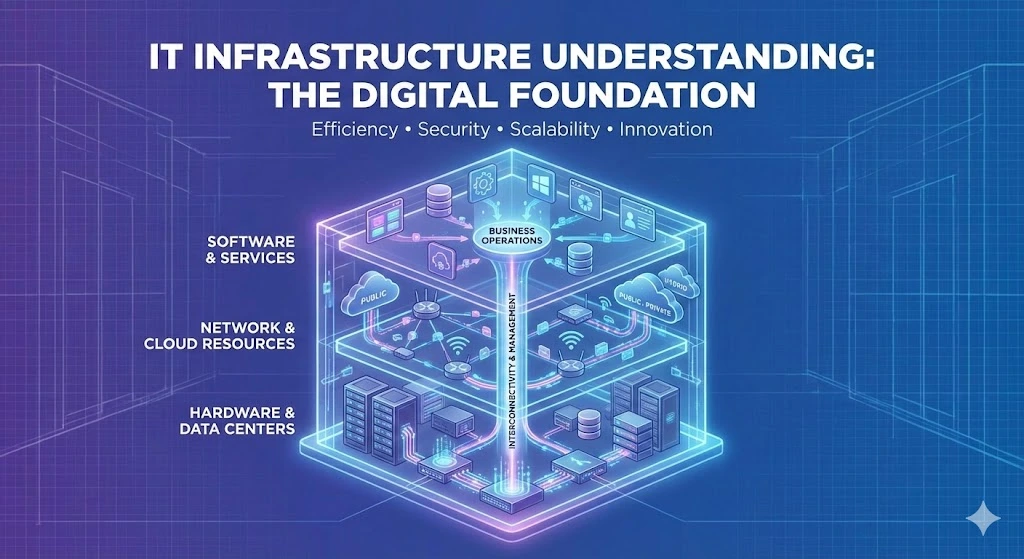
A robust IT infrastructure is critical for the success of any business in today’s digital age. It forms the foundation on which companies build their day-to-day operations, ensuring everything runs smoothly—from managing internal processes to interacting with customers. But what exactly is IT
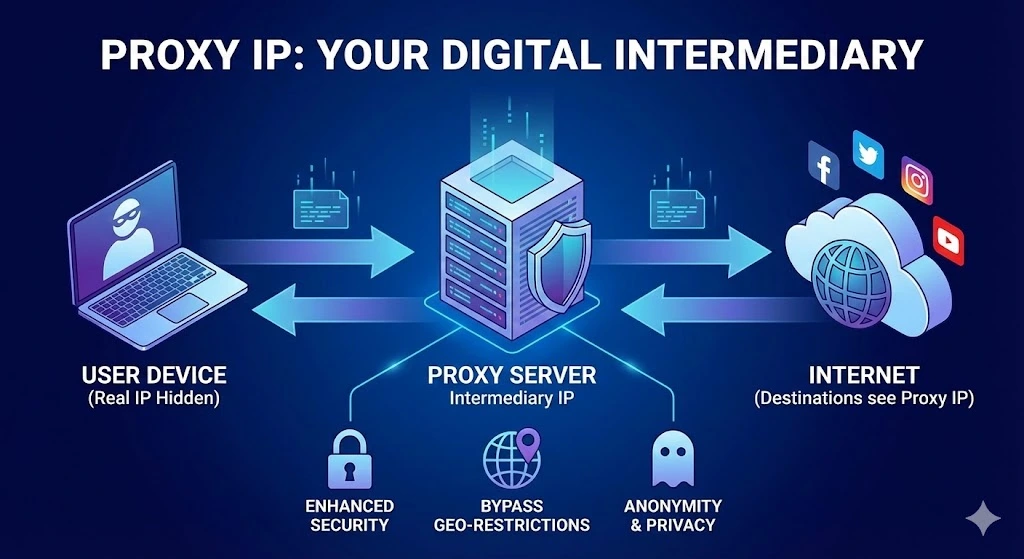
What is a proxy IP? Learn how proxy and VPN traffic differ, which HTTP, HTTPS, and SOCKS connections are covered, and how to check logs, DNS, TLS, reputation, and permitted use.