
IPv4 decision library

IPv4 guidance archive — page 10

Continue through distinct guides on page 10 of 15. Each page has a stable URL so you can return to this point in the archive.

Archive position

Page 10 of 15

178 published guides

From the library

Guides on page 10

These are the distinct guides on page 10 of 15. Use the controls below to move through the archive.

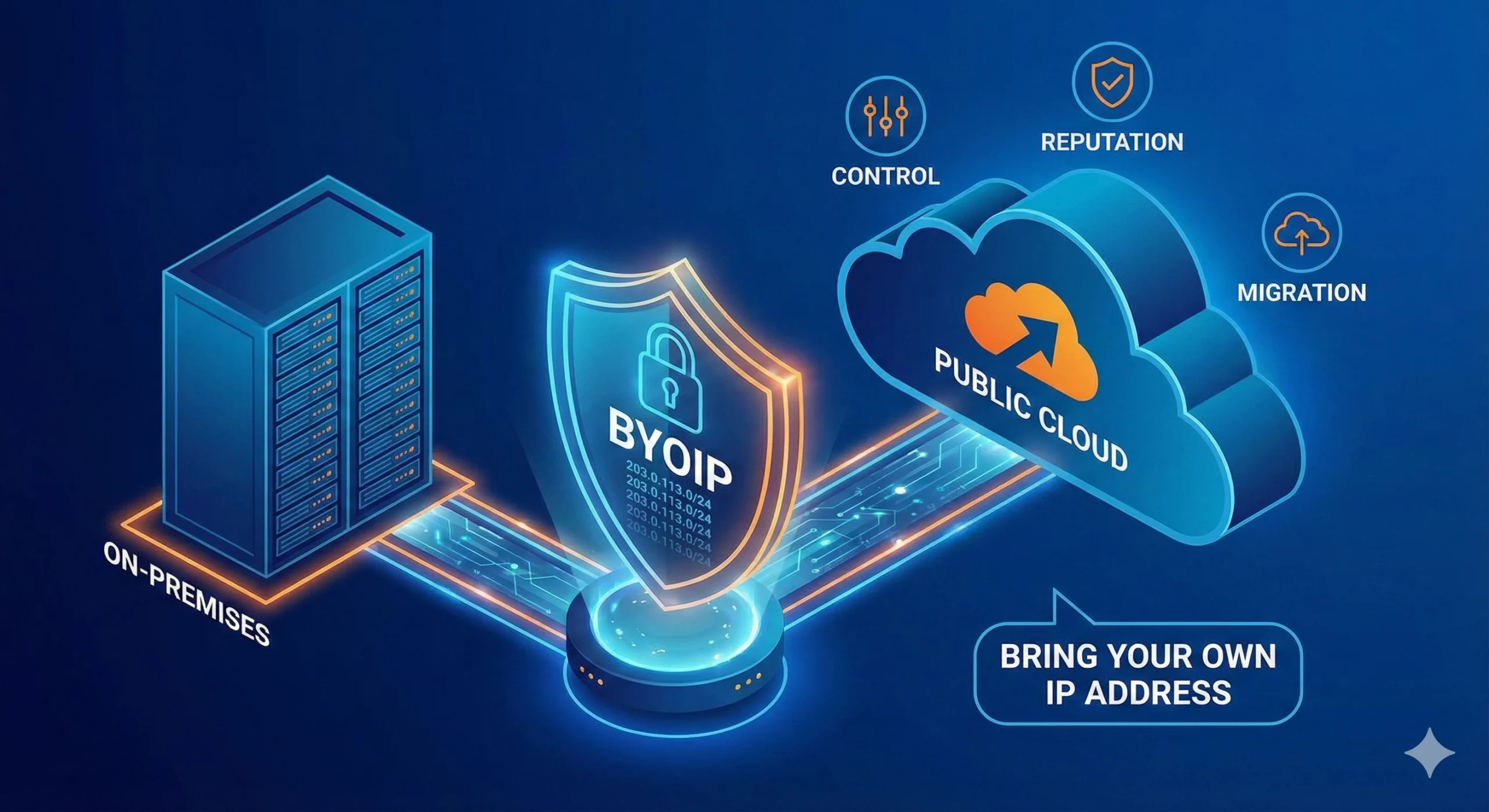
  1. BYOIP vs IP Leasing: Which is better for your Business?

    Latest guide

    BYOIP vs IP Leasing: Which is better for your Business?

    In today’s digital landscape, businesses face critical decisions regarding their IP address management, especially when migrating to cloud services. Two prevalent options are Bring Your Own IP (BYOIP) and IP leasing. Each approach has its advantages and considerations, depending on your organi

    Read more →
  2. Understanding the Different Types of DDoS Attacks

    Understanding the Different Types of DDoS Attacks

    As the internet becomes more integral to everyday business operations, cybersecurity threats evolve in both complexity and impact. One of the most persistent and damaging threats facing organizations today is the Distributed Denial of Service (DDoS) attack. These attacks flood a targeted system with

  3. What is ARIN? Understanding the American Registry for Internet Numbers

    The American Registry for Internet Numbers (ARIN) is a nonprofit organization that plays a vital role in managing and distributing Internet number resources. These resources include Internet Protocol (IP) addresses and Autonomous System Numbers (ASNs), which are essential for ensuring that data trav

  4. What Is a Regional Internet Registry (RIR)?

    What Is a Regional Internet Registry (RIR)?

    What Is a Regional Internet Registry (RIR)? The Five Global RIRs Explained Every device and network connected to the public internet needs unique numerical identifiers. Computers, servers, cloud platforms, internet service providers, and enterprise networks rely on IP addresses to exchange data, whi

  5. What Is APNIC?

    What Is APNIC?

    A Simple Introduction to the Asia Pacific Network Information Centre When you browse the Internet, you probably don’t think much about the technical systems working in the background. But the truth is, there’s a lot happening to make sure websites load, emails send, and videos stream without a

  6. How to Handle Blacklisted IP Addresses in the APNIC Registry

    How to Handle Blacklisted IP Addresses in the APNIC Registry

    In today’s internet ecosystem, maintaining a clean and trusted IP address range is crucial for any organization that manages network infrastructure. If you’re working with IPv4 resources in the Asia-Pacific region, chances are you’re dealing with APNIC — the regional Internet registry re

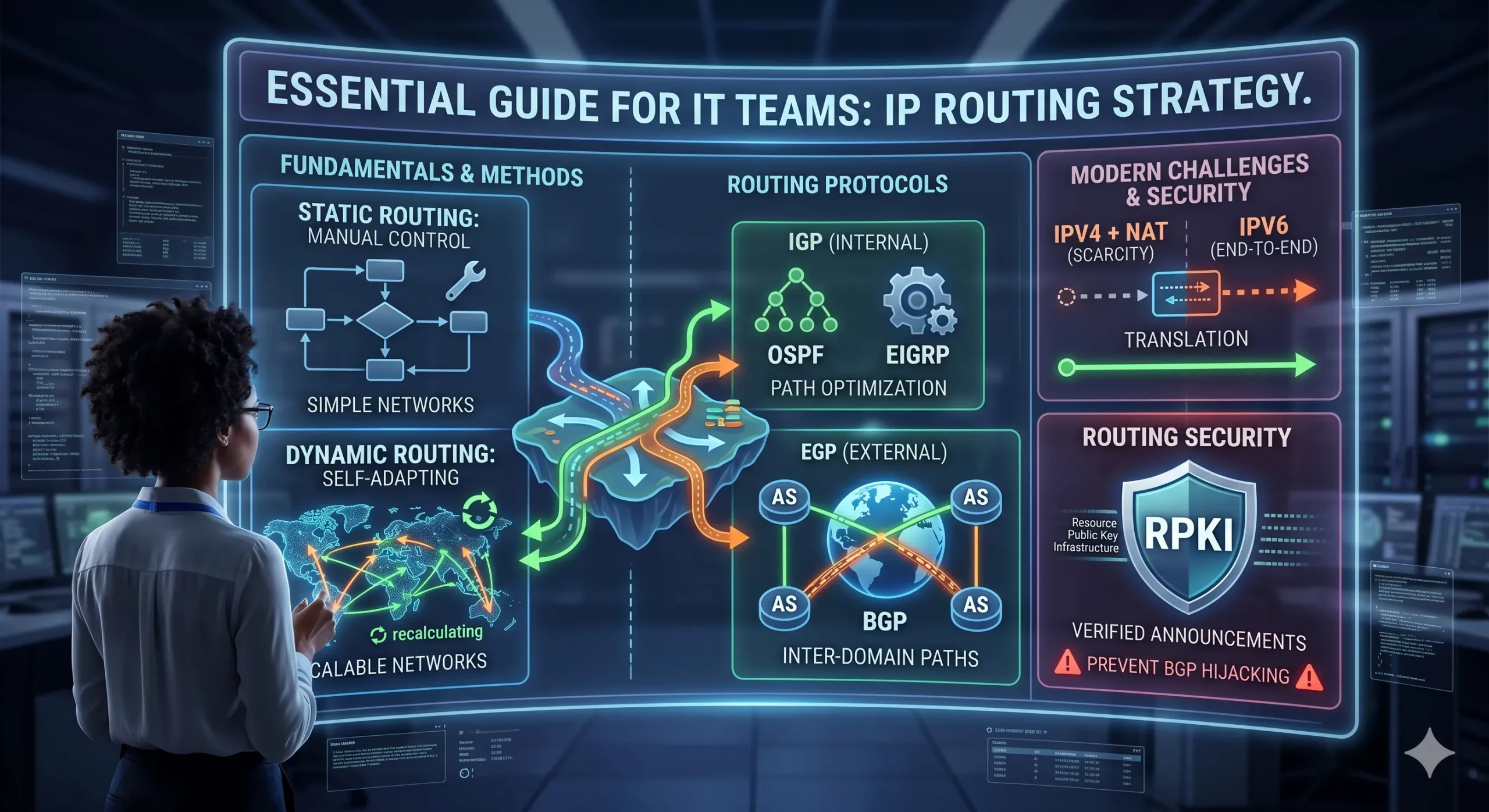
  7. What IT Teams Should Know About IP Routing

    What IT Teams Should Know About IP Routing

    In today’s cloud-first business environment, understanding how data moves across networks isn’t just a niche IT skill—it’s a necessity. For IT teams managing platforms like i.Lease, which support critical lease data and user access from multiple regions, IP routing becomes a key factor in performanc

  8. Types of Network Address Translation

    Types of Network Address Translation

    Network Address Translation (NAT) is a technique used in networking to modify the source or destination IP addresses of packets as they traverse a routing device, such as a router or firewall. This process enables multiple devices within a private network to access external networks, like the intern

  9. The Role of BYOIP in Preventing IP Blocking

    In today’s digital landscape, businesses and organizations rely heavily on seamless connectivity and secure access to online resources. However, IP blocking has become a common challenge, often disrupting operations, limiting access to critical platforms, and even affecting business continuity. One

  10. What is BYOIP (Bring Your Own IP)?

    What is BYOIP (Bring Your Own IP)?

    Bring Your Own IP, commonly known as BYOIP, allows a business to use its existing public IP address range with a cloud provider, data centre, content delivery network, or other infrastructure platform. Instead of accepting a new public IP range assigned by the provider, the business brings an IPv4 o

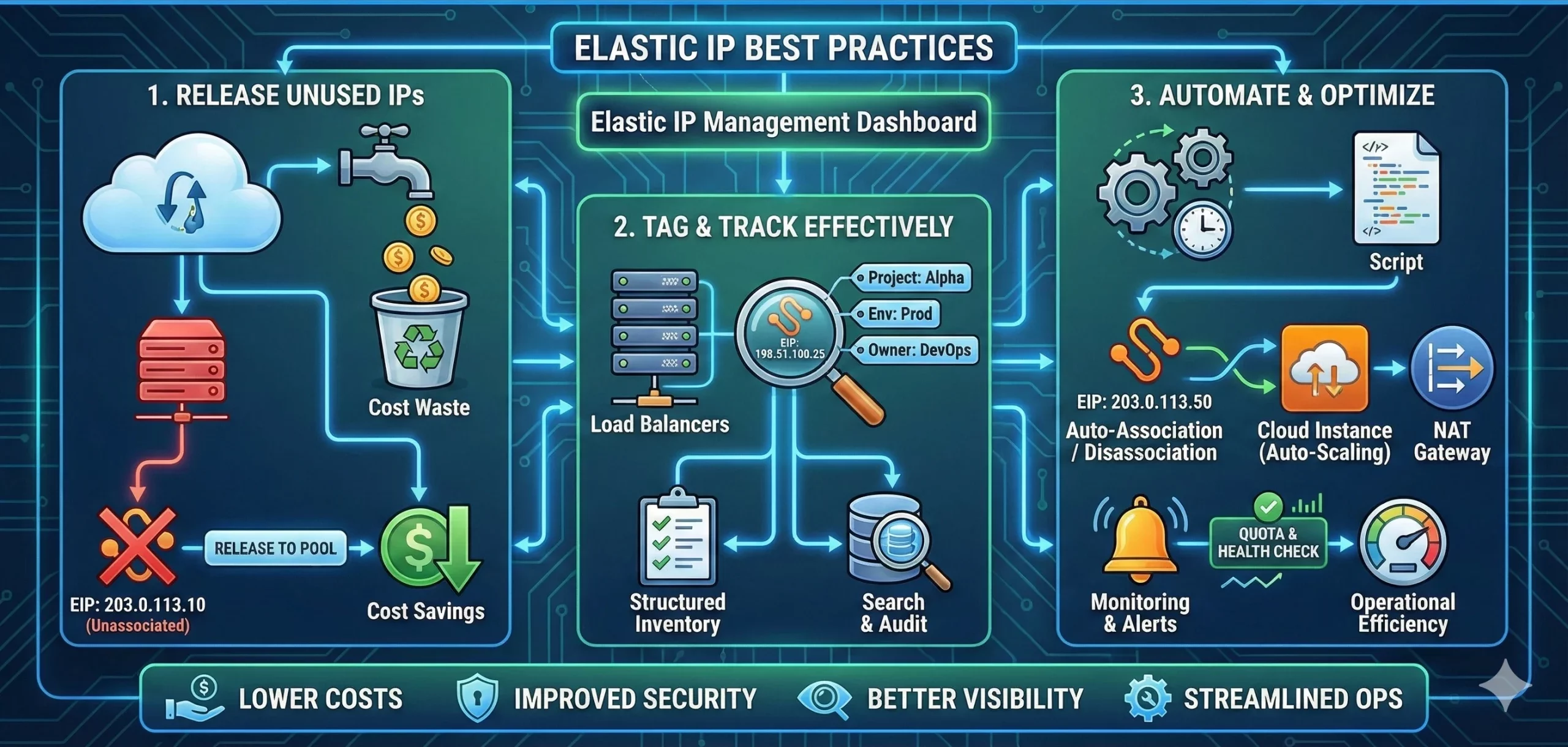
  11. Best Practices for Managing Elastic IP Addresses

    Best Practices for Managing Elastic IP Addresses

    Elastic IP addresses (EIPs) are a crucial component of cloud networking, especially in Amazon Web Services (AWS). They provide a static, public IPv4 address that can be associated with an instance, ensuring reliability even if the instance is stopped and restarted. However, improper management of El

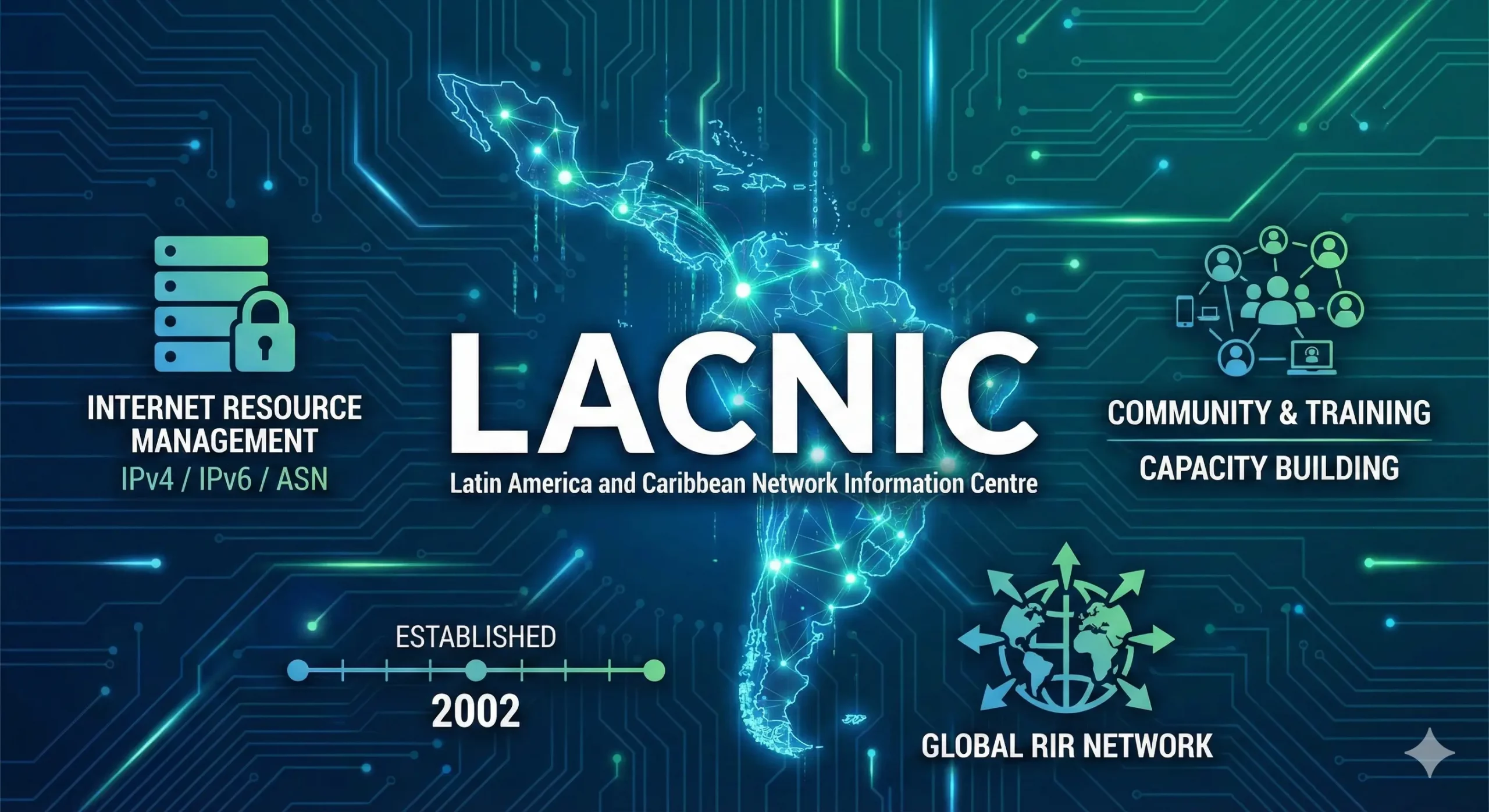
  12. LACNIC: All You Need To Know

    LACNIC: All You Need To Know

    LACNIC: Strengthening Internet Infrastructure in Latin America and the Caribbean The Latin America and Caribbean Network Information Center (LACNIC) plays a vital role in shaping the digital landscape of Latin America and the Caribbean. As the region’s designated Regional Internet Registry (RI