IPv4 decision library

IPv4 guidance archive — page 14

Continue through distinct guides on page 14 of 15. Each page has a stable URL so you can return to this point in the archive.

Archive position

Page 14 of 15

178 published guides

From the library

Guides on page 14

These are the distinct guides on page 14 of 15. Use the controls below to move through the archive.

  1. Securing Your IP Network, Part 2: How to secure IP address

    Latest guide

    Securing Your IP Network, Part 2: How to secure IP address

    In Part 1 of our series, we explored the importance of securing your IP network and outlined fundamental strategies for enhancing network security. In this instalment, we will delve deeper into the specific measures and best practices for securing your IP addresses and safeguarding your network agai

    Read more →
  2. IP Address Geolocation: Understanding its Uses and Implications

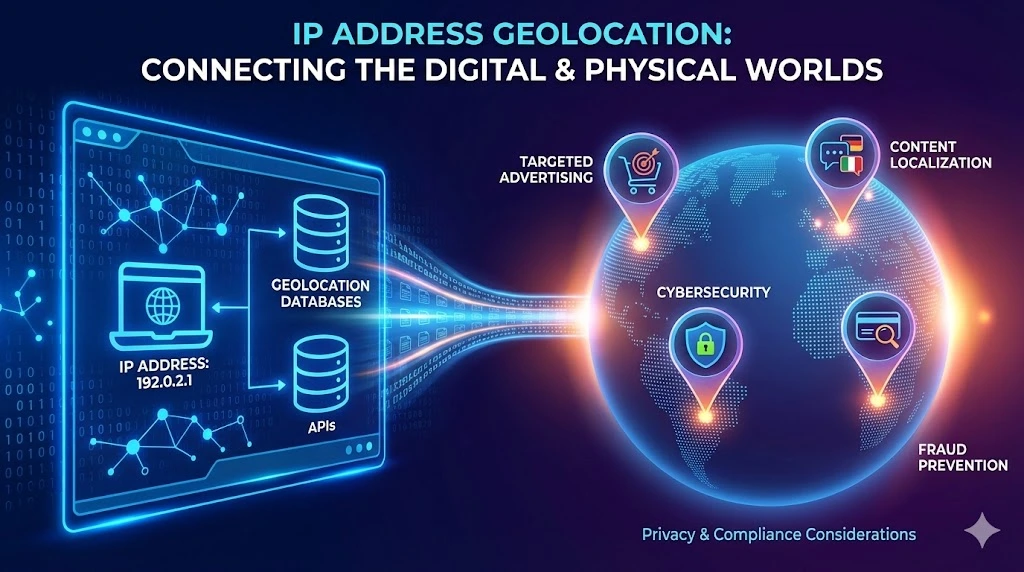
    IP Address Geolocation: Understanding its Uses and Implications

    In today’s interconnected world wide web, the ability to determine the geographical location of an IP address has become increasingly important for various applications, ranging from targeted advertising to fraud detection and cybersecurity. In this article, we will explore IP address geolocat
  3. Securing Your IP Network: Part 1

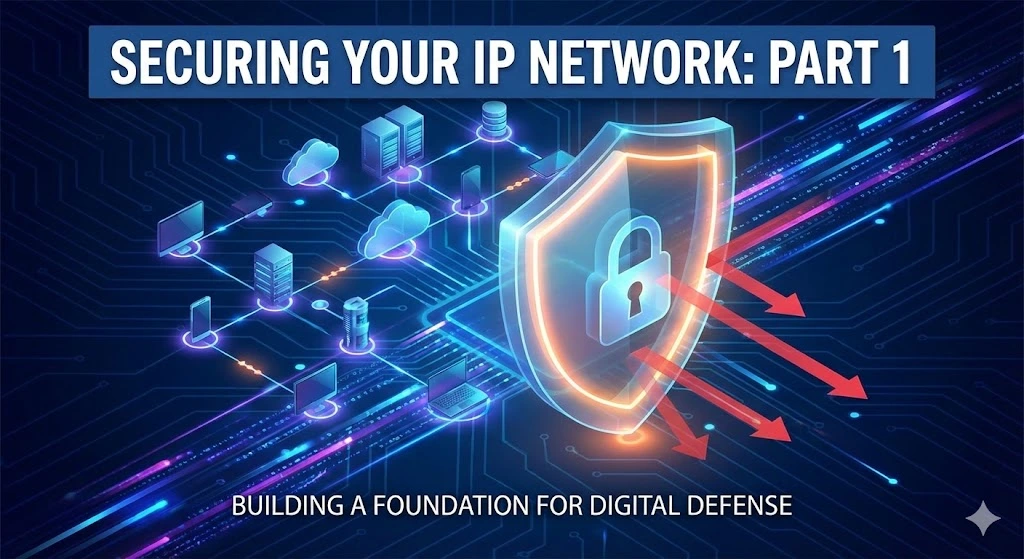
    Securing Your IP Network: Part 1

    In this tech-driven world, keeping your IP network safe is like locking the doors to your digital house. It’s crucial for protecting your important stuff, keeping things running smoothly, and dodging online troublemakers. As businesses rely more on networks for everything from chats to storing

  4. What is IP Subnetting? A Comprehensive Introduction

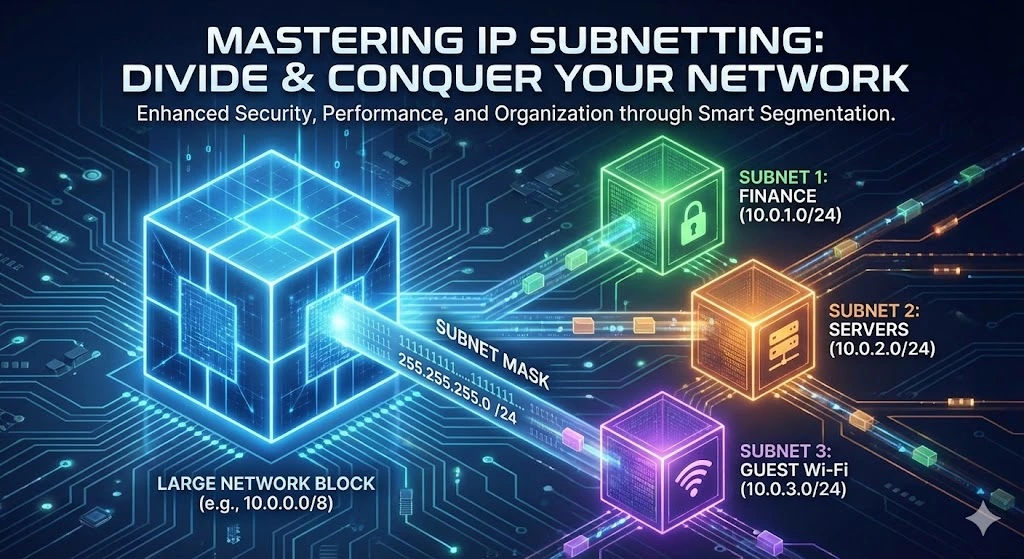
    What is IP Subnetting? A Comprehensive Introduction

    Understanding IP subnetting is essential for designing efficient and scalable networks. Subnetting allows network administrators to divide a single IP address range into smaller, more manageable subnetworks, enabling better organization of network resources and efficient allocation of IP addresses.

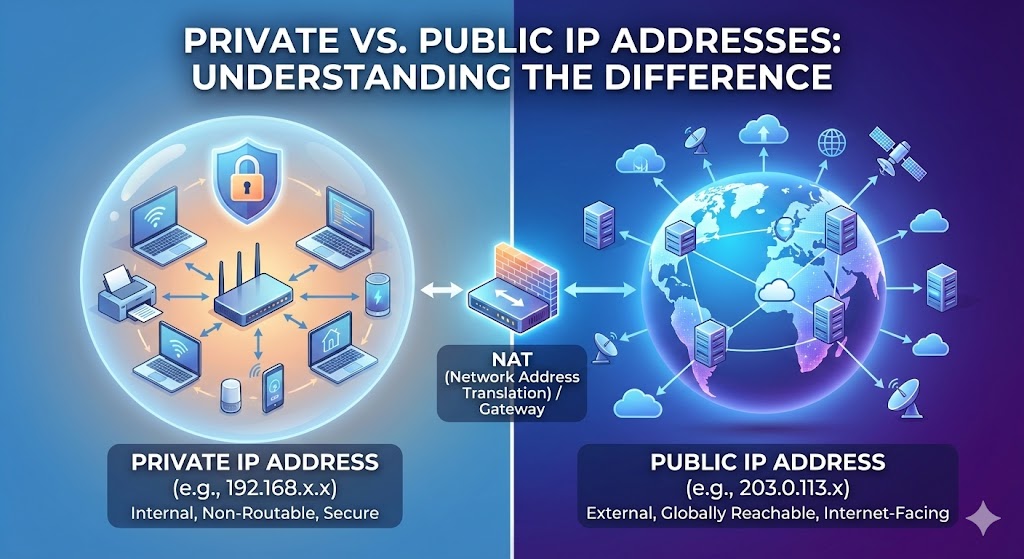
  5. Private vs. Public IP Addresses: Understand the Basics

    Private vs. Public IP Addresses: Understand the Basics

    In today’s interconnected digital world, the concept of IP addresses is fundamental to how devices communicate over the internet. Whether you’re browsing the web, sending emails, or streaming your favorite shows, your device relies on an IP address to connect to other devices and servers

  6. Common IP Addressing Issues and Solutions 2024

    Common IP Addressing Issues and Solutions 2024

    In today’s interconnected world, IP addressing serves as the foundation of communication across the internet and local networks. However, with the proliferation of devices and the complexity of network configurations, organizations often encounter various challenges related to IP addressing. I

  7. Understanding IP Addresses in 2024

    What are IP addresses? IP stands for Internet Protocol. A set of regulations dictating the structure of data transmission over the Internet or a local network is essentially known as a protocol. IP addresses serve as unique identifiers, facilitating the exchange of information among devices on a net

  8. The Future of Internet Addressing: IPv4 vs. IPv6

    The Future of Internet Addressing: IPv4 vs. IPv6

    Devices that connect over the Internet rely on a system called IP addressing to find each other. Currently, there are two versions of IP addressing: IPv4 and IPv6. Let’s look into the future of IPv4 and IPv4 vs IPv6 IPv4, the older iteration, was developed in the 1970s and utilizes 32-bit addr

  9. IPv4 Renting Solutions for Small Businesses in the US

    IPv4 Renting Solutions for Small Businesses in the US

    IPv4, based on a 32-bit system with four blocks of characters, provides approximately four billion addresses. However, with the increasing number of connected devices, IPv4 is no longer sufficient. IPv6, with its 128-bit system, offers an almost infinite number of IP addresses, thanks to eight hexad

  10. Understanding the Difference Between Ipv4 and IPv6

    Understanding the Difference Between Ipv4 and IPv6

    When a device connects to a network, it needs to follow a certain standard. This standard, called Internet Protocol, allows a device to communicate with other devices. Whether it’s over the Internet or on a local network (like a home or office network), a device needs a network address. A devi

  11. How Much Does It Cost to Lease IPv4 Addresses?

    How Much Does It Cost to Lease IPv4 Addresses?

    How Much Does It Cost to Lease IPv4 Addresses? IPv4 leasing is typically priced per IP address per month, although the actual cost depends on the block size, lease duration, IP reputation, routing requirements, region, and operational support included in the agreement. As a general market reference,

  12. Get ready for European IPv4 addresses

    Get ready for European IPv4 addresses

    If you want ripe RIPE IPv4 addresses, there will be a literal waiting list to join. In a new policy approved and posted on Tuesday, the regional internet registry (RIR) that serves Europe, the Middle East and Central Asia, dubbed RIPE, has decided that the only way it can deal with the ever-diminish