Understanding IP Addresses in 2024

ChanChan

What are IP addresses?

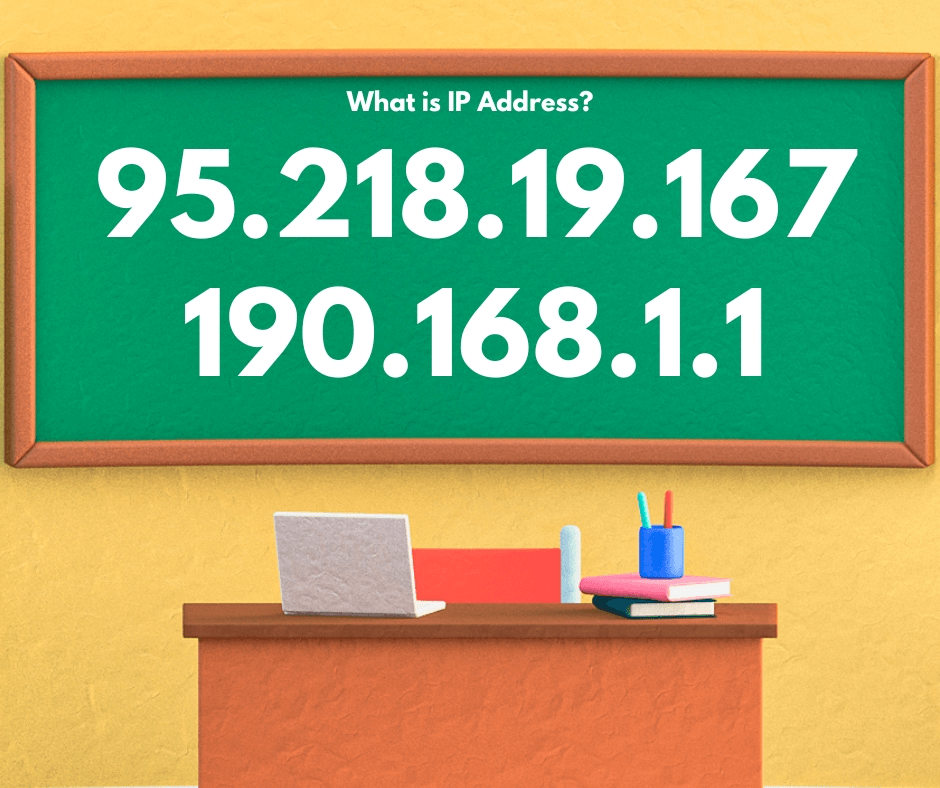
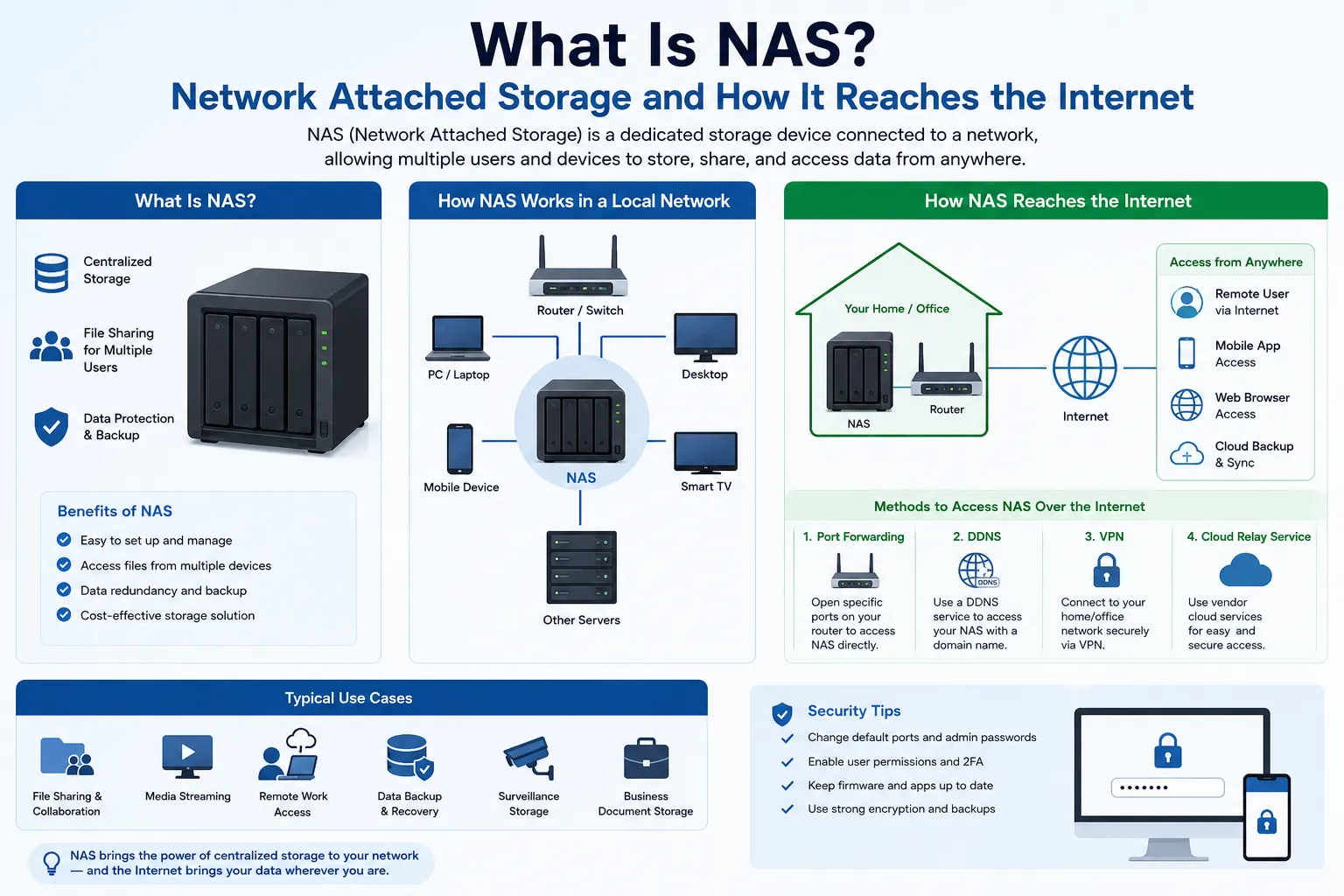
IP stands for Internet Protocol. A set of regulations dictating the structure of data transmission over the Internet or a local network is essentially known as a protocol. IP addresses serve as unique identifiers, facilitating the exchange of information among devices on a network by incorporating location details and enabling devices to be accessible for communication.

what-is-ip-addresses
IP Address?

The Basics of IP addresses

In layman’s terms, an IP address is like a digital home address for your device on the internet. It allows devices to communicate with each other across the vast web. Just like your home address, an IP address is unique, ensuring that data reaches its intended destination accurately. Now let’s take a look at the history of IP addresses.

Evolution of IP addresses

Back in the early days, most devices used IPv4 addresses, a system that is now running out of available addresses. To address this scarcity, IPv6 has emerged, providing a vast pool of unique addresses to accommodate the growing number of connected devices. I.lease recognizes the challenges associated with IPv4 depletion and offers innovative solutions to navigate this transition seamlessly.

Unique IPv4 address Solution

In the face of IPv4 exhaustion, I.lease stands out as a pioneer in providing IP leasing services. This unique solution allows businesses to overcome the challenges associated with buying addresses in the market. With a straightforward process, transparent costs, and professional support, I.lease simplifies the acquisition of IP addresses, making it a breeze for companies to meet their business and product development needs.
ipv4

IP leasing process

The IP leasing process is designed with simplicity. Just imagine it as renting a house. You pick the address you need, and it’s assigned to you from the IP pool. This straightforward process eliminates the complexities associated with purchasing addresses on the market. No need to worry about geographical restrictions or usage limitations; I.Lease’s service is flexible and allows you to update settings and change locations at any time.

Clear costs and low expenses

One of the challenges businesses face in obtaining IP addresses is the unclear costs and the financial burden associated with the process. I.lease addresses this concern by providing a transparent cost structure that is easy to understand and bear. This ensures that businesses can plan their budgets effectively without any hidden surprises.
low-cost-ip-address

Tracking and technical support

While, I.lease goes beyond just providing IP addresses; it offers a full-service experience. Their team of IP experts provides continuous tracking and technical support. This means you can focus on your business while I.lease takes care of the technical aspects, ensuring a worry-free experience.

Flexibility for business needs

Additionally, the flexibility offered by I.lease’s IP leasing service is a game-changer for businesses. In a dynamic environment where adaptation is key, having the ability to quickly adjust your IP settings and change locations is invaluable. I.lease empowers businesses to meet their evolving needs efficiently and effectively.

Role of IP Addresses in SEO

In terms of search engine optimization, or SEO, search engines use IP addresses to identify the origin of web content, affecting search rankings. Having a unique and reliable IP address is, therefore, essential for optimizing online visibility. I.lease’s IP leasing service ensures that businesses have access to top-notch, SEO-friendly addresses to enhance their online presence.

SEO-IP-Addresses

In a nutshell, let’s take a quick look:

An IP address, or Internet Protocol address, is a numerical label assigned to each device connected to a computer network that uses the Internet Protocol for communication. It serves two main functions: host or network interface identification and location addressing.

There are two types of IP addresses: IPv4 (Internet Protocol version 4) and IPv6 (Internet Protocol version 6). IPv4 addresses are composed of four sets of numbers separated by dots (e.g., 192.168.0.1), while IPv6 addresses are longer and use hexadecimal notation (e.g., 2001:0db8:85a3:0000:0000:8a2e:0370:7334).

IP addresses are crucial for the routing of data packets across the Internet, enabling devices to send and receive information in a networked environment. They are assigned to devices either dynamically through DHCP (Dynamic Host Configuration Protocol) or statically by manual configuration.

Future of IP Addresses

As we look ahead in 2024 and beyond, the importance of IP addresses will only continue to grow. The seamless integration of devices, the rise of the Internet of Things (IoT), and the constant evolution of digital technologies underscore the need for a reliable and scalable IP address solution. 

Related Posts

Understanding BGP Hijacking

What Is BGP Hijacking? How Route Hijacks Work, Famous Incidents, and How Networks Prevent Them

BGP hijacking is the illegitimate takeover of traffic destined for IP address space, carried out by announcing routes for prefixes the announcer is not authorized to originate. Also called prefix hijacking, route hijacking, or IP hijacking, it corrupts the Internet’s routing tables themselves: networks around the world are told that the wrong party can deliver traffic for an address block, and they believe it. This makes hijacking fundamentally differentRead more Related Posts What Is BGP Hijacking? How Route Hijacks Work, Famous Incidents, and How Networks Prevent Them BGP hijacking is the illegitimate takeover of traffic destined for IP address space, carried out by announcing routes for prefixes Which RIRs Support Inter-RIR IPv4 Transfers in 2026? IPv4 addresses may be globally routable, but transferring their registration from one organization to another is governed by Regional Internet What Is BGP? How Border Gateway Protocol Turns IP Addresses into Reachable Services BGP (Border Gateway Protocol) is the routing protocol that connects independent networks across the Internet. It allows networks to announce .related-post {} .related-post .post-list { text-align: left; } .related-post .post-list .item { margin: 5px; padding: 10px; } .related-post .headline { font-size: 18px !important; color: #999999 !important; } .related-post .post-list .item .post_thumb { max-height: 220px; margin: 10px 0px; padding: 0px; display: block; } .related-post .post-list .item .post_title { font-size: 16px; color: #3f3f3f; margin: 10px 0px; padding: 0px; display: block; text-decoration: none; } .related-post .post-list .item .post_excerpt { font-size: 13px; color: #3f3f3f; margin: 10px 0px; padding: 0px; display: block; text-decoration: none; } @media only screen and (min-width: 1024px) { .related-post .post-list .item { width: 30%; } } @media only screen and (min-width: 768px) and (max-width: 1023px) { .related-post .post-list .item { width: 90%; } } @media only screen and (min-width: 0px) and (max-width: 767px) { .related-post .post-list .item { width: 90%; } }

rir

Which RIRs Support Inter-RIR IPv4 Transfers in 2026?

IPv4 addresses may be globally routable, but transferring their registration from one organization to another is governed by Regional Internet Registry (RIR) policy. For organizations buying or selling IPv4 address space internationally, this creates an important question: Which RIRs support inter-RIR IPv4 transfers in 2026? As of August 2026, ARIN, RIPE NCC, APNIC, and LACNIC have established frameworks for inter-RIR IPv4 transfers, subject to compatibility between the RIRs andRead more Related Posts What Is BGP Hijacking? How Route Hijacks Work, Famous Incidents, and How Networks Prevent Them BGP hijacking is the illegitimate takeover of traffic destined for IP address space, carried out by announcing routes for prefixes Which RIRs Support Inter-RIR IPv4 Transfers in 2026? IPv4 addresses may be globally routable, but transferring their registration from one organization to another is governed by Regional Internet What Is BGP? How Border Gateway Protocol Turns IP Addresses into Reachable Services BGP (Border Gateway Protocol) is the routing protocol that connects independent networks across the Internet. It allows networks to announce .related-post {} .related-post .post-list { text-align: left; } .related-post .post-list .item { margin: 5px; padding: 10px; } .related-post .headline { font-size: 18px !important; color: #999999 !important; } .related-post .post-list .item .post_thumb { max-height: 220px; margin: 10px 0px; padding: 0px; display: block; } .related-post .post-list .item .post_title { font-size: 16px; color: #3f3f3f; margin: 10px 0px; padding: 0px; display: block; text-decoration: none; } .related-post .post-list .item .post_excerpt { font-size: 13px; color: #3f3f3f; margin: 10px 0px; padding: 0px; display: block; text-decoration: none; } @media only screen and (min-width: 1024px) { .related-post .post-list .item { width: 30%; } } @media only screen and (min-width: 768px) and (max-width: 1023px) { .related-post .post-list .item { width: 90%; } } @media only screen and (min-width: 0px) and (max-width: 767px) { .related-post .post-list .item { width: 90%; } }

What is Reverse DNS

What Is Reverse DNS (rDNS)? Why PTR Records Matter for Email, Hosting, and Leased IPv4

Reverse DNS (rDNS) is the process of resolving an IP address back to a domain name. It is the mirror image of the DNS lookups most people know: forward DNS translates a name like mail.example.com into an IP address, while reverse DNS translates an IP address back into a name. The record type that stores this answer is called a PTR record. For most of the Internet’s history, reverseRead more Related Posts What Is BGP Hijacking? How Route Hijacks Work, Famous Incidents, and How Networks Prevent Them BGP hijacking is the illegitimate takeover of traffic destined for IP address space, carried out by announcing routes for prefixes Which RIRs Support Inter-RIR IPv4 Transfers in 2026? IPv4 addresses may be globally routable, but transferring their registration from one organization to another is governed by Regional Internet What Is BGP? How Border Gateway Protocol Turns IP Addresses into Reachable Services BGP (Border Gateway Protocol) is the routing protocol that connects independent networks across the Internet. It allows networks to announce .related-post {} .related-post .post-list { text-align: left; } .related-post .post-list .item { margin: 5px; padding: 10px; } .related-post .headline { font-size: 18px !important; color: #999999 !important; } .related-post .post-list .item .post_thumb { max-height: 220px; margin: 10px 0px; padding: 0px; display: block; } .related-post .post-list .item .post_title { font-size: 16px; color: #3f3f3f; margin: 10px 0px; padding: 0px; display: block; text-decoration: none; } .related-post .post-list .item .post_excerpt { font-size: 13px; color: #3f3f3f; margin: 10px 0px; padding: 0px; display: block; text-decoration: none; } @media only screen and (min-width: 1024px) { .related-post .post-list .item { width: 30%; } } @media only screen and (min-width: 768px) and (max-width: 1023px) { .related-post .post-list .item { width: 90%; } } @media only screen and (min-width: 0px) and (max-width: 767px) { .related-post .post-list .item { width: 90%; } }

Tags

#IP Address#What is IP addresses