IPv4 Renting Solutions for Small Businesses in the US
 admin
admin
IPv4, based on a 32-bit system with four blocks of characters, provides approximately four billion addresses.
Table of Contents
However, with the increasing number of connected devices, IPv4 is no longer sufficient. IPv6, with its 128-bit system, offers an almost infinite number of IP addresses, thanks to eight hexadecimal character blocks.
This long-term solution, however, could be a big jump for some small businesses in the United States.
As a workable alternative, many businesses turn to IPv4 renting solutions.
1.0 Benefits of a Static IP Address for Small Businesses
A static IP address is an unchanging address assigned by an Internet service provider to a device. It remains constant even after device restarts, much like a phone number that doesn’t change.
1.1 Small businesses benefit from static IP addresses in various ways
More stability:
Static IPs are unchanging. This contributes to the stability of network applications and reliable connections.
Easy accessibility:
A static IP makes it easy for computers to reach your server globally. This leads to better website access.
Remote workplaces:
It simplifies remote work in the home office or during business trips.
Professional communication:
It supports functions like telephone conferences, video calls, and collaboration.
Geolocation:
A static IP allows other services to determine your location, which is useful for local information and search results.
1.1.2 Dynamic IP Addresses
Most routers provide dynamic IP addresses, which change with each internet session, typically every 24 hours. This is practical for privacy but can be compared to a changing phone number for communication.
Determining Your IP Address Type
You can check your current IP address with a web search for “what is my IP.” If it changes after 24 hours, you’re likely on a dynamic IP address.
Obtaining a Static IP Address
Major ISPs like Vodafone, Google Fiber, and AT&T offer static IP addresses. Inform your service provider to set this up. It’s initially assigned automatically and can be redefined later.
2.0 IP Address Classes for Small Businesses
IP addresses are divided into classes.
Small businesses often use Class C addresses, which are assigned to organizations with small to medium-sized networks. Class C networks are the most common today and are characterized by the following:
Class C network addresses range from 192.0.0.0 to 223.255.255.255.
The first 24 bits of a Class C address determine the netid.
The first three bits are always 110 (e.g., 192), and the following 21 bits define the network.
There are 2,097,152 possible Class C networks.
In Class C networks, 8 bits are used to define the hostid, allowing for a maximum of 254 hostids per network.
3.0 Are Small and Medium-sized Businesses Ready for IPv6?
The short answer is: yes and no. There are strong arguments to why SMBs should consider IPv6.
Support from Providers: Internet service providers increasingly support IPv6 and may encourage its use.
IPv4 Costs: The cost of public IPv4 addresses is rising, impacting ISPs and MSPs. This may affect SMBs’ pricing.
Public Cloud and SaaS: These services offer IPv6 support, making it more attractive for SMBs to switch.
IoT: IPv6 is better suited for IoT networks, ensuring network separation and scalability.
4.0 Challenges for SMBs Looking to Adopt IPv6
Despite the benefits of IPv6, there are practical reasons that prevent SMBs from transitioning fully.
Technical challenges. SMBs need to smooth out issues when it comes to the compatibility of IPv4 and IPv6. For example, some older servers may not work with IPv6 as this version is not backwards compatible.
Diverse Technologies. Because SMBs use various technologies for collaboration, VPNs, SD-WAN, and cloud services, switching to IPv6 may create new challenges.
Cost. Transitioning to IPv6 requires equipment and human resource that may not be readily available to smaller businesses.
5.0 Closing Thoughts
Leasing IPv4 can be a solid strategy for businesses looking for long-term success. The key is to find a reputable IPv4 broker that can provide clean IP addresses at the best market price. Contact i.lease today for expert opinion on how to improve your online presence with a solid IPv4 strategy
Related Article
Artículos relacionados
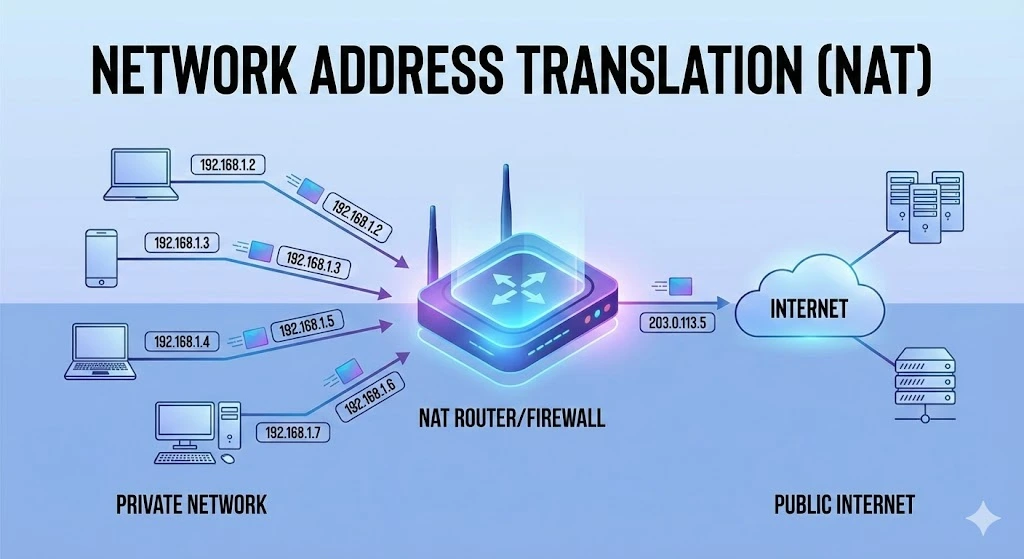
Comprensión de la traducción de direcciones de red (NAT)
En las redes informáticas, gestionar las direcciones IP de forma eficiente es fundamental para garantizar una comunicación fluida entre los dispositivos. Una de las tecnologías clave que ha surgido para afrontar este desafío es la Traducción de Direcciones de Red (NAT, por sus siglas en inglés). En este artículo explicamos qué es NAT, cómo funciona, sus distintos tipos, así como sus ventajas y limitaciones. ¿Qué es la traducción deRead more Related Posts Desbloqueando la privacidad digital con una red privada virtual (VPN) ¿Qué es una VPN? Una red privada virtual (VPN) es una tecnología que permite a los usuarios crear una conexión Comprensión de la traducción de direcciones de red (NAT) En las redes informáticas, gestionar las direcciones IP de forma eficiente es fundamental para garantizar una comunicación fluida entre los ¿Por qué Malasia se está convirtiendo en un centro neurálgico para la infraestructura de nube e IA? Malasia se está convirtiendo en uno de los mercados de crecimiento de centros de datos más importantes del Sudeste Asiático. .related-post {} .related-post .post-list { text-align: left; } .related-post .post-list .item { margin: 5px; padding: 10px; } .related-post .headline { font-size: 18px !important; color: #999999 !important; } .related-post .post-list .item .post_thumb { max-height: 220px; margin: 10px 0px; padding: 0px; display: block; } .related-post .post-list .item .post_title { font-size: 16px; color: #3f3f3f; margin: 10px 0px; padding: 0px; display: block; text-decoration: none; } .related-post .post-list .item .post_excerpt { font-size: 13px; color: #3f3f3f; margin: 10px 0px; padding: 0px; display: block; text-decoration: none; } @media only screen and (min-width: 1024px) { .related-post .post-list .item { width: 30%; } } @media only screen and (min-width: 768px) and (max-width: 1023px) { .related-post .post-list .item { width: 90%; } } @media only screen and (min-width: 0px) and (max-width: 767px) { .related-post .post-list .item { width: 90%; } }
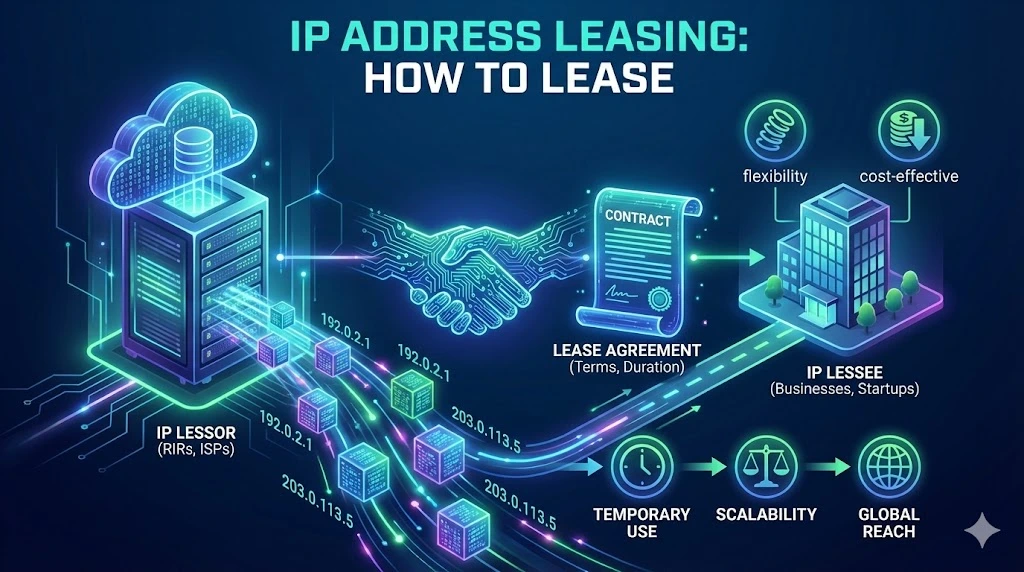
Arrendamiento de direcciones IP: Cómo arrendar direcciones IP
El mundo digital en el que nos movemos hoy depende en gran medida de las direcciones IP, identificadores únicos asignados a los dispositivos conectados a internet o a una red local. A medida que la demanda de direcciones IP sigue aumentando, empresas y particulares exploran diversas opciones para obtener los recursos necesarios. Un método cada vez más popular es el arrendamiento de direcciones IP. Este artículo profundiza en elRead more Related Posts Desbloqueando la privacidad digital con una red privada virtual (VPN) ¿Qué es una VPN? Una red privada virtual (VPN) es una tecnología que permite a los usuarios crear una conexión Comprensión de la traducción de direcciones de red (NAT) En las redes informáticas, gestionar las direcciones IP de forma eficiente es fundamental para garantizar una comunicación fluida entre los ¿Por qué Malasia se está convirtiendo en un centro neurálgico para la infraestructura de nube e IA? Malasia se está convirtiendo en uno de los mercados de crecimiento de centros de datos más importantes del Sudeste Asiático. .related-post {} .related-post .post-list { text-align: left; } .related-post .post-list .item { margin: 5px; padding: 10px; } .related-post .headline { font-size: 18px !important; color: #999999 !important; } .related-post .post-list .item .post_thumb { max-height: 220px; margin: 10px 0px; padding: 0px; display: block; } .related-post .post-list .item .post_title { font-size: 16px; color: #3f3f3f; margin: 10px 0px; padding: 0px; display: block; text-decoration: none; } .related-post .post-list .item .post_excerpt { font-size: 13px; color: #3f3f3f; margin: 10px 0px; padding: 0px; display: block; text-decoration: none; } @media only screen and (min-width: 1024px) { .related-post .post-list .item { width: 30%; } } @media only screen and (min-width: 768px) and (max-width: 1023px) { .related-post .post-list .item { width: 90%; } } @media only screen and (min-width: 0px) and (max-width: 767px) { .related-post .post-list .item { width: 90%; } }
¿Qué es el agotamiento de direcciones IPv4?
IPv4 es la versión inicial del Protocolo de Internet (IP), capaz de generar 4.300 millones de posibles direcciones IPv4. Sin embargo, muchas de estas direcciones están reservadas para fines específicos, como investigación y desarrollo. Esto deja un conjunto limitado disponible para organizaciones e individuos en todo el mundo. Con el crecimiento exponencial de Internet, la demanda de direcciones IPv4 se ha disparado. Esto provocó una rápida disminución de lasRead more Related Posts Desbloqueando la privacidad digital con una red privada virtual (VPN) ¿Qué es una VPN? Una red privada virtual (VPN) es una tecnología que permite a los usuarios crear una conexión Comprensión de la traducción de direcciones de red (NAT) En las redes informáticas, gestionar las direcciones IP de forma eficiente es fundamental para garantizar una comunicación fluida entre los Arrendamiento de direcciones IP: Cómo arrendar direcciones IP El mundo digital en el que nos movemos hoy depende en gran medida de las direcciones IP, identificadores únicos asignados .related-post {} .related-post .post-list { text-align: left; } .related-post .post-list .item { margin: 5px; padding: 10px; } .related-post .headline { font-size: 18px !important; color: #999999 !important; } .related-post .post-list .item .post_thumb { max-height: 220px; margin: 10px 0px; padding: 0px; display: block; } .related-post .post-list .item .post_title { font-size: 16px; color: #3f3f3f; margin: 10px 0px; padding: 0px; display: block; text-decoration: none; } .related-post .post-list .item .post_excerpt { font-size: 13px; color: #3f3f3f; margin: 10px 0px; padding: 0px; display: block; text-decoration: none; } @media only screen and (min-width: 1024px) { .related-post .post-list .item { width: 30%; } } @media only screen and (min-width: 768px) and (max-width: 1023px) { .related-post .post-list .item { width: 90%; } } @media only screen and (min-width: 0px) and (max-width: 767px) { .related-post .post-list .item { width: 90%; } }
