Pourquoi n’y a-t-il pas d’IPv5 ? L’histoire du protocole Internet manquant
 Stephanie
Lorsqu’on parle de protocoles Internet, la plupart des gens connaissent IPv4 et IPv6. Mais vous vous demandez peut-être : qu’est-il arrivé à IPv5 ? Pourquoi a-t-on l’impression qu’Internet est passé directement d’IPv4 à IPv6 ? Plongeons-nous dans l’histoire fascinante de ce protocole « manquant ».
Table of Contents
Qu'est-ce que l'IPv5 ?
Le protocole IPv5, officiellement appelé Internet Stream Protocol (ST), était un protocole expérimental développé à la fin des années 1970 et dans les années 1980. Il a été conçu pour prendre en charge la diffusion en continu de données multimédias en temps réel, telles que la voix et la vidéo, sur les réseaux IP. Contrairement à IPv4, qui fonctionne sans connexion, IPv5 visait à créer un système de communication orienté connexion pour de meilleures performances multimédias.
Pourquoi l'IPv5 n'est-il pas devenu le prochain protocole Internet principal ?
Malgré son caractère novateur, l’IPv5 n’a jamais été largement adopté. Voici pourquoi :
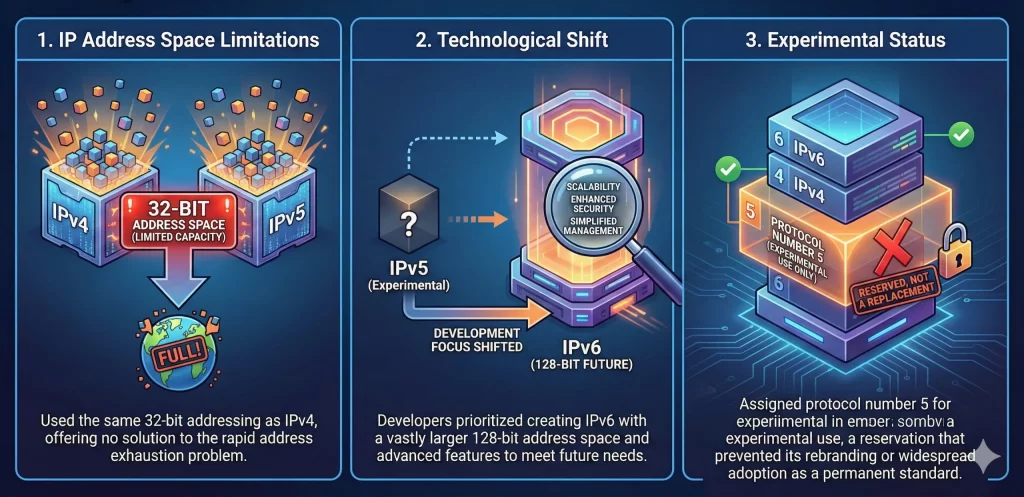
1. Limitations d’espace d’adresses IP
L’IPv5 utilisait le même espace d’adressage 32 bits que l’IPv4. Avec la croissance rapide d’Internet, l’épuisement des adresses IPv4 est devenu un problème critique, rendant le système d’adressage de l’IPv5 tout aussi inadapté aux besoins futurs.
2. Changement technologique
Face à la nécessité croissante d’une solution plus évolutive, les développeurs se sont concentrés sur la création d’IPv6, qui a introduit l’adressage sur 128 bits, résolvant ainsi le problème de la pénurie d’adresses et ajoutant des fonctionnalités améliorées telles que la sécurité intégrée et une gestion simplifiée du réseau.
3. État expérimental
L’IPv5 n’a jamais été conçu comme un remplacement à long terme de l’IPv4. Il s’est vu attribuer le numéro de protocole 5 à des fins expérimentales, et cette réservation dans la pile de protocoles signifiait qu’il ne pouvait pas être ultérieurement renommé comme une future version d’IP.
Pourquoi IPv6 a remplacé IPv4 (et non IPv5)
Le protocole IPv6 a été conçu comme une mise à niveau complète de l’IPv4, remédiant à ses limitations telles que la pénurie d’adresses et améliorant l’efficacité des communications Internet. Il est devenu le protocole standard pour les besoins des réseaux modernes, reléguant l’IPv5 au rang d’anecdote intéressante dans l’histoire d’Internet.
IPv5 : une étape importante dans le développement du protocole Internet
Bien que l’IPv5 n’ait jamais été largement déployé, il a joué un rôle déterminant dans le développement des protocoles Internet. Ses expérimentations avec la diffusion multimédia ont ouvert la voie à des technologies que nous considérons aujourd’hui comme allant de soi, telles que la VoIP (voix sur IP) et la visioconférence en temps réel.
Conclusion
Ainsi, bien qu’il n’existe pas de protocole « manquant », l’IPv5 témoigne du processus d’essais et d’erreurs qui stimule l’innovation technologique. Il nous rappelle que chaque étape, même expérimentale, contribue au paysage numérique dont nous profitons aujourd’hui.
Trusted IPv4 Leasing for Business Growth
Get enterprise-grade IPv4 space quickly, with seamless deployment and end-to-end management.
Get Started with i.leaseFrequent Asked Questions (FAQs)
1. Le protocole IPv5 a-t-il déjà été utilisé ?
Oui, mais uniquement à titre expérimental pour les applications de diffusion multimédia. Il n’a jamais été largement adopté.
2. Pourquoi IPv5 a-t-il été ignoré ?
Elle n’a pas été abandonnée ; elle a été utilisée à titre expérimental. Cependant, ses limitations, comme l’adressage 32 bits, l’ont rendue inadaptée à une adoption à long terme.
3. Qu'est-ce qui rend l'IPv6 meilleur ?
L’IPv6 offre un adressage sur 128 bits, une meilleure sécurité et un routage simplifié, résolvant ainsi des problèmes que l’IPv4 et l’IPv5 ne pouvaient pas résoudre.
Artículos relacionados
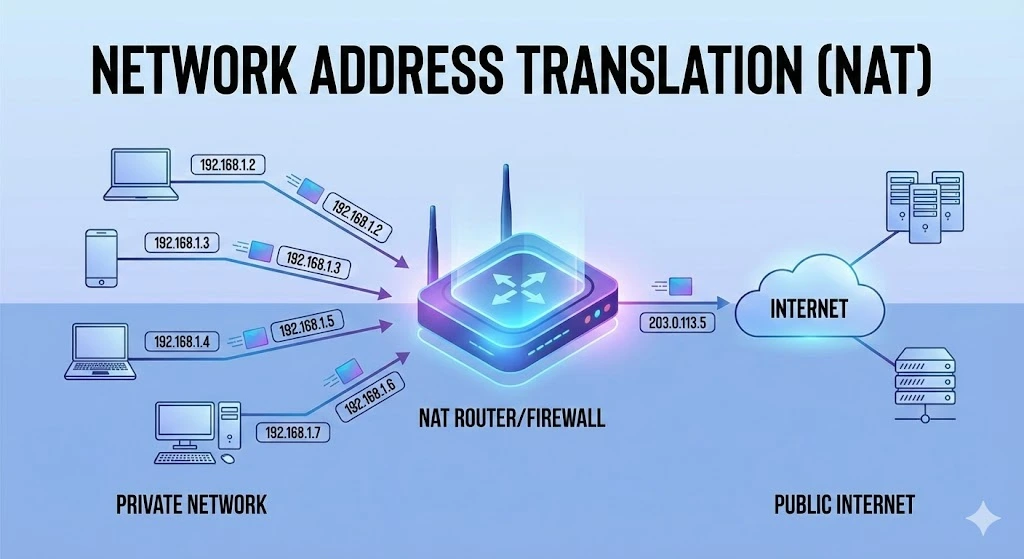
Comprensión de la traducción de direcciones de red (NAT)
En las redes informáticas, gestionar las direcciones IP de forma eficiente es fundamental para garantizar una comunicación fluida entre los dispositivos. Una de las tecnologías clave que ha surgido para afrontar este desafío es la Traducción de Direcciones de Red (NAT, por sus siglas en inglés). En este artículo explicamos qué es NAT, cómo funciona, sus distintos tipos, así como sus ventajas y limitaciones. ¿Qué es la traducción deRead more Related Posts Desbloqueando la privacidad digital con una red privada virtual (VPN) ¿Qué es una VPN? Una red privada virtual (VPN) es una tecnología que permite a los usuarios crear una conexión Comprensión de la traducción de direcciones de red (NAT) En las redes informáticas, gestionar las direcciones IP de forma eficiente es fundamental para garantizar una comunicación fluida entre los ¿Por qué Malasia se está convirtiendo en un centro neurálgico para la infraestructura de nube e IA? Malasia se está convirtiendo en uno de los mercados de crecimiento de centros de datos más importantes del Sudeste Asiático. .related-post {} .related-post .post-list { text-align: left; } .related-post .post-list .item { margin: 5px; padding: 10px; } .related-post .headline { font-size: 18px !important; color: #999999 !important; } .related-post .post-list .item .post_thumb { max-height: 220px; margin: 10px 0px; padding: 0px; display: block; } .related-post .post-list .item .post_title { font-size: 16px; color: #3f3f3f; margin: 10px 0px; padding: 0px; display: block; text-decoration: none; } .related-post .post-list .item .post_excerpt { font-size: 13px; color: #3f3f3f; margin: 10px 0px; padding: 0px; display: block; text-decoration: none; } @media only screen and (min-width: 1024px) { .related-post .post-list .item { width: 30%; } } @media only screen and (min-width: 768px) and (max-width: 1023px) { .related-post .post-list .item { width: 90%; } } @media only screen and (min-width: 0px) and (max-width: 767px) { .related-post .post-list .item { width: 90%; } }
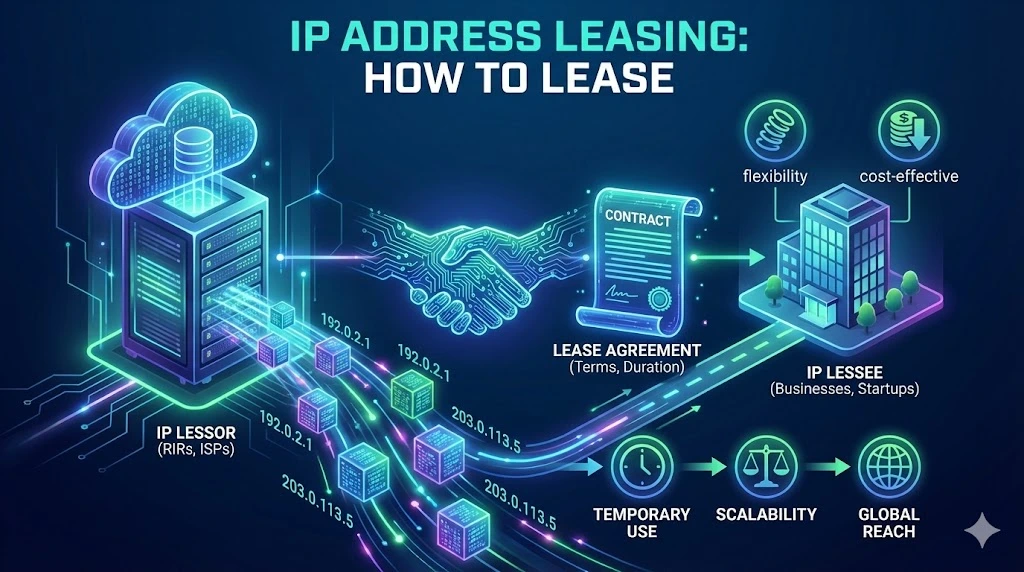
Arrendamiento de direcciones IP: Cómo arrendar direcciones IP
El mundo digital en el que nos movemos hoy depende en gran medida de las direcciones IP, identificadores únicos asignados a los dispositivos conectados a internet o a una red local. A medida que la demanda de direcciones IP sigue aumentando, empresas y particulares exploran diversas opciones para obtener los recursos necesarios. Un método cada vez más popular es el arrendamiento de direcciones IP. Este artículo profundiza en elRead more Related Posts Desbloqueando la privacidad digital con una red privada virtual (VPN) ¿Qué es una VPN? Una red privada virtual (VPN) es una tecnología que permite a los usuarios crear una conexión Comprensión de la traducción de direcciones de red (NAT) En las redes informáticas, gestionar las direcciones IP de forma eficiente es fundamental para garantizar una comunicación fluida entre los ¿Por qué Malasia se está convirtiendo en un centro neurálgico para la infraestructura de nube e IA? Malasia se está convirtiendo en uno de los mercados de crecimiento de centros de datos más importantes del Sudeste Asiático. .related-post {} .related-post .post-list { text-align: left; } .related-post .post-list .item { margin: 5px; padding: 10px; } .related-post .headline { font-size: 18px !important; color: #999999 !important; } .related-post .post-list .item .post_thumb { max-height: 220px; margin: 10px 0px; padding: 0px; display: block; } .related-post .post-list .item .post_title { font-size: 16px; color: #3f3f3f; margin: 10px 0px; padding: 0px; display: block; text-decoration: none; } .related-post .post-list .item .post_excerpt { font-size: 13px; color: #3f3f3f; margin: 10px 0px; padding: 0px; display: block; text-decoration: none; } @media only screen and (min-width: 1024px) { .related-post .post-list .item { width: 30%; } } @media only screen and (min-width: 768px) and (max-width: 1023px) { .related-post .post-list .item { width: 90%; } } @media only screen and (min-width: 0px) and (max-width: 767px) { .related-post .post-list .item { width: 90%; } }
¿Qué es el agotamiento de direcciones IPv4?
IPv4 es la versión inicial del Protocolo de Internet (IP), capaz de generar 4.300 millones de posibles direcciones IPv4. Sin embargo, muchas de estas direcciones están reservadas para fines específicos, como investigación y desarrollo. Esto deja un conjunto limitado disponible para organizaciones e individuos en todo el mundo. Con el crecimiento exponencial de Internet, la demanda de direcciones IPv4 se ha disparado. Esto provocó una rápida disminución de lasRead more Related Posts Desbloqueando la privacidad digital con una red privada virtual (VPN) ¿Qué es una VPN? Una red privada virtual (VPN) es una tecnología que permite a los usuarios crear una conexión Comprensión de la traducción de direcciones de red (NAT) En las redes informáticas, gestionar las direcciones IP de forma eficiente es fundamental para garantizar una comunicación fluida entre los Arrendamiento de direcciones IP: Cómo arrendar direcciones IP El mundo digital en el que nos movemos hoy depende en gran medida de las direcciones IP, identificadores únicos asignados .related-post {} .related-post .post-list { text-align: left; } .related-post .post-list .item { margin: 5px; padding: 10px; } .related-post .headline { font-size: 18px !important; color: #999999 !important; } .related-post .post-list .item .post_thumb { max-height: 220px; margin: 10px 0px; padding: 0px; display: block; } .related-post .post-list .item .post_title { font-size: 16px; color: #3f3f3f; margin: 10px 0px; padding: 0px; display: block; text-decoration: none; } .related-post .post-list .item .post_excerpt { font-size: 13px; color: #3f3f3f; margin: 10px 0px; padding: 0px; display: block; text-decoration: none; } @media only screen and (min-width: 1024px) { .related-post .post-list .item { width: 30%; } } @media only screen and (min-width: 768px) and (max-width: 1023px) { .related-post .post-list .item { width: 90%; } } @media only screen and (min-width: 0px) and (max-width: 767px) { .related-post .post-list .item { width: 90%; } }
