IPv4市场的未来:为什么控制权比价格更重要
 Stephanie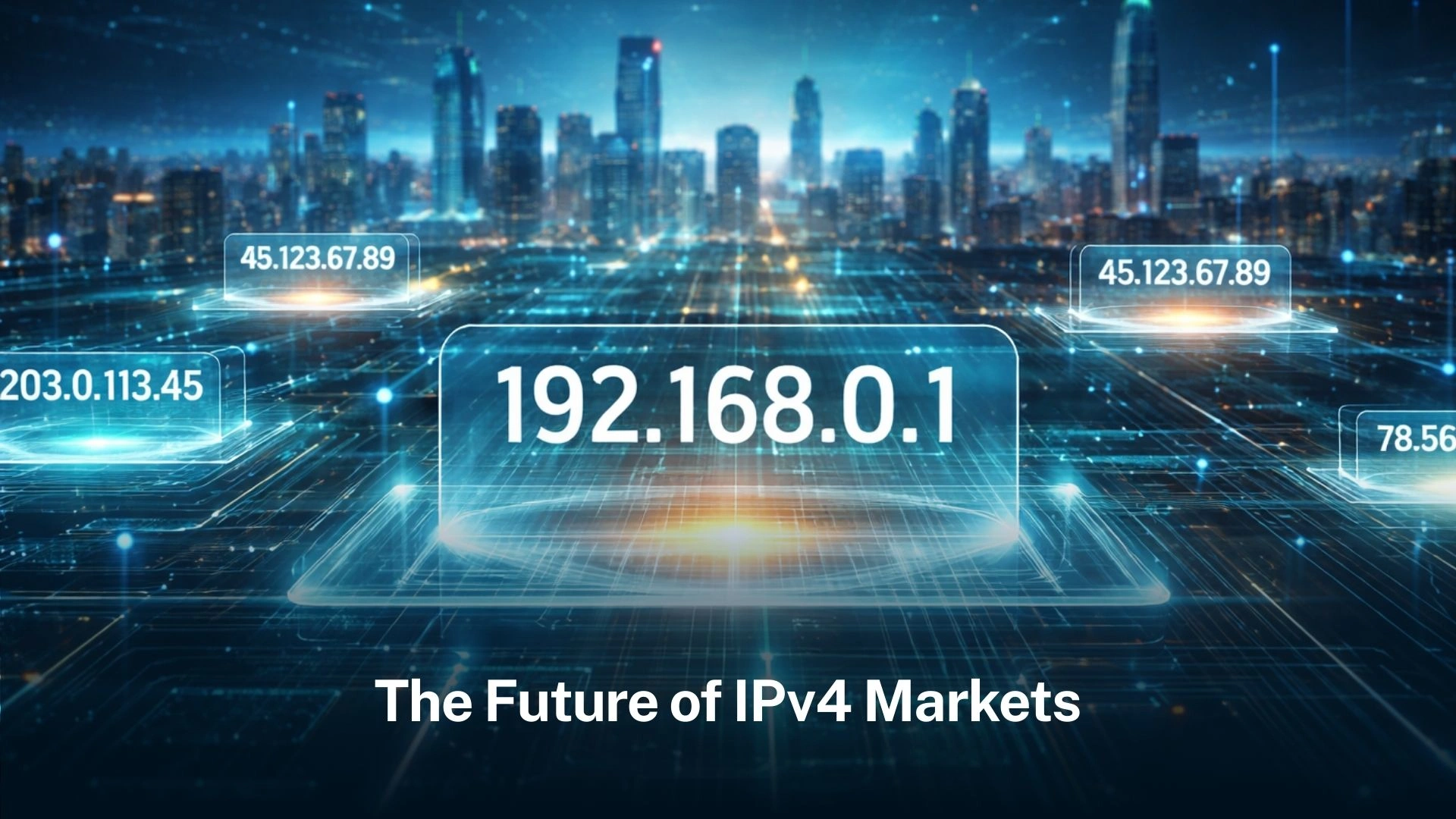
IPv4 市场的未来不会只由价格决定。
Table of Contents
价格很重要。供应很重要。需求很重要。IPv6 的采用也很重要。但对于依赖 IPv4 地址来运行托管平台、VPN 基础设施、SaaS 应用、云工作负载、电信服务、电子邮件系统、网络安全工具或面向客户平台的企业来说,更深层的问题是控制权。
一家公司可以租赁 IPv4 地址。 一家公司可以购买 IPv4 地址。 一家公司可以在纸面上持有 IPv4 资产。 一家公司可以通过经纪商、市场平台或供应商链条来获取地址空间。
但真正的问题是:
谁控制着让这些 IPv4 地址保持可用的条件?
这就是 IPv4 市场的未来不再只是交易故事的地方。它会变成一个业务连续性的故事。
IPv4 市场的下一阶段,将奖励那些能够提供来源清晰度、路由准备度、信誉信心、续期责任、文件质量、转让可靠性和运营连续性的结构。市场不会只问 IPv4 是否可用。市场会问,当地址空间成为运行中网络的一部分后,它是否还能保持稳定。
这就是 Sovereignty Inversion 在商业上的实际含义:一家公司可能因为已经租赁、购买或部署了地址空间,而以为自己控制了 IPv4 的未来;但对认可、路由、可转让性、文件或连续性的实际控制,可能仍然掌握在其他地方。
正如 Heng.lu doctrine 所说:“Markets allocate scarce capital. Administrators maintain ledgers.”
对于 IPv4 用户来说,这个区别很重要。未来的 IPv4 市场不只是关于谁能找到地址,而是关于谁能证明控制权、连续性和可用基础设施价值。
为什么 IPv4 市场正在进入新阶段
IPv4 市场已经经历了几个阶段。
第一阶段是分配。IPv4 地址作为技术资源被分配,用于支持网络增长。
第二阶段是枯竭。随着免费 IPv4 池变得有限,公司开始将未使用的地址块视为有价值的资源。
第三阶段是商业化。IPv4 地址变得可以交易、租赁、转让,并具有可见的金融价值。
下一个阶段不同。
下一个阶段是关于证明。
企业不会只问某个 IPv4 地址块是否存在。它们会问它是否能够安全地支持生产基础设施。
它们会想知道:
- 来源是否清楚?
- 该地址块是否可以正确路由?
- IP 信誉是否可用?
- 续期是否可以确认?
- 转让文件是否可靠?
- 供应商是否能够支持升级处理?
- 地址空间在部署后是否能够保持稳定?
这就是为什么 IPv4 市场的未来将由连续性塑造,而不仅仅是价格。
从价格市场到控制权市场
年轻的市场通常关注价格。
买家会问一个 IPv4 地址多少钱。承租方会问月费是多少。卖家会问价格是否足以证明将未使用地址空间变现是值得的。
但当市场成熟时,价格只会成为评估的一层。
在成熟的 IPv4 市场中,企业还会问:
- 这个地址块是否可信?
- 它是否可以快速部署?
- 它是否可以在没有不确定性的情况下续期?
- 它是否可以在没有延迟的情况下转让?
- 它是否可以支持客户的实际使用场景?
- 它是否能够通过合规、路由和文件审查?
因此,市场正在从简单的价格市场转向控制权市场。
价格告诉企业它要支付什么。
控制权告诉企业它可以依赖什么。
IPv4 市场中的主权倒置
IPv4 市场的未来必须通过 主权倒置 的风险来理解。
在实际 IPv4 商业语境中,Sovereignty Inversion 出现在一种情况:一家公司表面上在商业上控制了地址空间,但实际控制的关键杠杆却位于公司之外。
这可能发生在租赁中。
企业可能租赁 IPv4 地址,并围绕它们建立服务。但如果续期、路由授权、来源记录、滥用处理或升级处理依赖于企业并不完全理解的供应商链条,那么实际控制权可能并不在企业手中。
这也可能发生在购买中。
企业可能购买 IPv4 地址,并认为自己拥有长期控制权。但如果转让历史、注册记录、路由准备度、IP 信誉或未来可迁移性仍然不清楚,买方在购买后仍可能面临控制缺口。
这并不意味着租赁或购买 IPv4 是错误的。两者都可以是有效策略。问题在于,该结构是否在交易之后给予企业足够的运营控制权。
如需了解该问题背后的更广泛 doctrine,请参阅 Heng.lu 上的 主权倒置。
为什么市场价格不等于市场安全性
较低的 IPv4 价格可能看起来很有吸引力。
但低价并不自动意味着安全结构。
便宜的 IPv4 租赁可能伴随薄弱的续期责任。低成本购买可能涉及不清楚的来源历史。快速经纪交易可能缺少足够的路由文件。大型地址块可能带有不良信誉。跨区域交易可能涉及额外的转让摩擦。
在未来的 IPv4 市场中,企业需要比较总风险,而不仅仅是可见价格。
总风险包括:
- 来源风险
- 路由风险
- 续期风险
- 转让风险
- 文件风险
- 信誉风险
- 供应商链条风险
- 业务连续性风险
这就是为什么未来的 IPv4 市场会越来越奖励那些能够降低不确定性的供应商,而不仅仅是宣传低价的供应商。
IPv4 租赁的未来
IPv4 租赁将继续重要,因为许多企业需要灵活性。
租赁可以帮助公司快速部署、保留资本、扩展基础设施、测试新地区、支持客户需求,并在需求被证明之前避免承诺永久所有权。
但 IPv4 租赁的未来不会只基于月费。
未来将取决于租赁结构是否可靠。
强大的 IPv4 租赁结构应包括:
- 清晰的来源关系
- 路由支持
- 在适用情况下提供 LOA 或 route object 支持
- 在适用情况下提供 ROA 或 RPKI 相关协调
- IP 信誉审查
- 续期责任
- 滥用处理流程
- 文件准备度
- 明确的升级处理路径
因此,未来的租赁市场会将严肃的供应商与薄弱的供应商链条区分开来。
企业不会只问:“每个 IP 每月多少钱?”
它们会问:“这个租赁能否支持我们运行中的网络?”
IPv4 购买的未来
IPv4 购买也将继续重要,尤其是对于有长期基础设施需求的公司。
购买 IPv4 可以比租赁提供更强的长期控制权,但它并不能消除所有风险。
未来的 IPv4 买家需要评估:
- 来源历史
- 转让资格
- 注册文件
- IP 信誉
- 路由准备度
- 滥用记录
- 未来转售或流动性
- 长期内部管理能力
购买 IPv4 不只是一次收购决策。它也是一项运营责任。
买方可能获得对地址块更强的控制权,但买方也必须准备好管理记录、路由、文件、滥用处理、信誉和未来可转让性。
在未来的 IPv4 市场中,买家会像重视干净价格一样重视干净结构。
为什么经纪商和市场平台必须进化
经纪商和市场平台帮助 IPv4 市场变得更容易进入。
它们帮助买家找到可用的地址块。它们帮助卖家将未使用资源变现。它们帮助减少基本交易摩擦。
但未来市场需要的不只是简单匹配。
它需要更强的信任基础设施。
未来的 IPv4 市场平台必须从列表平台进化为具备连续性意识的平台。这意味着帮助客户理解的不只是有什么可用,还包括该地址空间是否可用、有文件支撑、信誉良好、可路由、可续期,并适合客户的业务。
市场将越来越期待:
- 更清晰的来源检查
- 更好的信誉筛查
- 更强的路由支持
- 更透明的文件
- 更好的续期管理
- 更可靠的升级处理
- 更清楚地区分经纪链风险与直接运营支持
换句话说,IPv4 市场正在从交易撮合走向连续性保障。
企业将从未来 IPv4 市场中要求什么
依赖 IPv4 的企业将成为更成熟的买家和承租方。
它们不会只要求供应。它们会要求证据。
未来的 IPv4 客户将要求:
- 来源证明:IPv4 地址块来自哪里,以及谁可以授权其使用。
- 路由准备证明:该地址块是否可以被正确宣告和接受。
- 信誉证明:该地址块是否存在滥用、垃圾邮件或黑名单问题。
- 续期责任证明:谁负责长期保持访问稳定。
- 文件证明:相关记录是否能够经受客户、法律或合规审查。
- 升级处理证明:当路由、滥用、信誉或连续性问题出现时,谁来回应。
这就是 IPv4 市场变得更成熟的方式。
成熟市场不只是交易资产。它们围绕让这些资产可用的条件建立信心。
i.lease 如何支持 IPv4 市场的下一阶段
i.lease 通过专注于连续性优先的 IPv4 访问,支持 IPv4 市场的下一阶段。
i.lease 不把 IPv4 当作简单的商品列表,而是帮助企业评估 IPv4 租赁、购买和出售背后的结构。
该结构包括:
- 来源清晰度
- 路由支持
- IP 信誉检查
- 续期责任
- 文件准备度
- 供应商链条透明度
- 转让意识
- 运营可靠性
需要灵活容量的企业可以探索 IPv4 租赁。需要长期控制权的公司可以查看 购买 IPv4 地址 的选项。拥有未使用资源的地址持有人可以了解如何通过更清晰的商业路径 出售 IPv4 地址。
通过 LARUS 支持的 IPv4 运营,i.lease 帮助企业超越价格和可用性思维。目标是支持在商业上有用、技术上可部署,并且运营上稳定的 IPv4 决策。
IPv4 市场准备度清单
在选择 IPv4 租赁、购买或市场平台供应商之前,企业应询问:
-
- IPv4 来源是否清楚?
- 谁有权租赁、出售、路由或转让该地址块?
- 是否提供路由支持?
- 是否需要 LOA、route object、ROA 或 RPKI 相关流程?
- IP 信誉是否已经审查?
- 是否存在滥用记录、黑名单问题或过往误用风险?
- 谁承担续期责任?
- 如果上游来源延迟,会发生什么?
- 谁为客户或合规团队提供文件?
- 该地址块是否能支持预期使用场景?
- 如果出现路由或信誉问题,升级处理路径是什么?
- 企业是否可以在没有重大中断的情况下移动、续期或替换该地址块?
- 供应商是在降低 Sovereignty Inversion,还是在增加对隐藏控制层的依赖?
如果这些问题没有得到清楚回答,IPv4 市场风险并没有被解决。它只是被隐藏了。
IPv4 如何成为可交易资产
在早期互联网时代,IP 地址市场的概念几乎难以想象。数十年来,组织可以以极低成本、且监管有限的情况下,从区域互联网注册机构(RIR)获得大规模地址段。
然而,IPv4 地址池的耗尽改变了这一格局。
当新的地址分配不再可获得时,需求开始转向组织之间的转让。那些拥有未使用地址段的机构——通常是大学、早期互联网服务提供商或传统科技企业——突然持有了其他组织在运营和扩展中所需的资产。
行业报告显示,IPv4 地址的价值发生了显著变化。2014 年,IPv4 地址的平均交易价格约为每个 15 美元。五年内,这一价格翻倍至约 30 美元,而到 2021–2022 年,一些交易甚至超过每个地址 45 至 60 美元。
正如一位经纪行业高管在分析中所指出的,IPv4 地址实际上已成为数字基础设施经济中的一种“商品”。
这一转变重新塑造了企业管理网络资源的方式。IPv4 地址不再仅仅被视为技术标识符,IPv4 地址资源如今也被计入资产负债表,成为可以变现的资产。
IPv4 市场结构
现代 IPv4 生态系统由多个相互联动的组成部分构成:
区域互联网注册机构(RIR)
ARIN、RIPE NCC 和 APNIC 等机构负责监管地址分配,并监督其各自区域内的转让活动。
经纪商和交易平台
专业中介机构协助促成交易,帮助买家寻找可用地址段,并确保交易符合注册机构政策要求。
二级市场买家
云服务提供商、托管公司、电信运营商和数据平台是 IPv4 资源的主要购买方。
地址转让流程本身类似于受监管的资产交易。买方必须说明其对地址资源的需求,并遵守注册机构的相关要求,而经纪商通常还会提供托管服务和验证流程,以降低欺诈风险。
与此同时,租赁市场也已经出现。企业无需直接出售地址,而是可以通过出租闲置的 IPv4 地址段来获得持续性的收入来源。
-IPv4 is the Internet’s most important service enabler; a device or server cannot be online without it.
– Heng.Lu, CEO of LARUS Limited and founder of the LARUS Foundation
IPv6最终会取代IPv4市场吗?
IPv6 的采用率正在稳步提升,其庞大的地址空间在理论上可以彻底解决地址稀缺问题。
然而,IPv4 市场不太可能在短期内消失。
许多网络将在未来多年继续运行于双栈架构(同时支持 IPv4 和 IPv6),而全面迁移至纯 IPv6 环境仍然复杂且具有挑战性。只要全球互联仍需要 IPv4 兼容性,对地址空间的需求就不会消失。
因此,行业分析普遍认为,在向 IPv6 过渡的过程中,即使 IPv6 的采用加速,IPv4 市场仍将持续保持活跃。
随着 IPv6 逐渐成为主流,IPv4 市场规模最终可能会收缩,但这一过程很可能会延续至未来十年甚至更长时间。
对互联网的结构性影响
全球 IPv4 交易市场的出现,揭示了互联网治理中更深层的结构性张力。
一方面,二级市场提供了灵活性和效率,使组织能够在需要时获取地址资源。
另一方面,它也将经济不平等引入了一个最初被设计为共享技术资源的体系之中。
那些在数十年前获得大量地址分配的早期互联网参与者,如今掌握着有价值的数字资产,而新进入的企业则必须在竞争激烈的市场中购买或租赁地址资源。
这一转变凸显了早期互联网时代所做出的基础设施决策,至今仍在深刻影响着当今的数字经济格局。
最后思考
IPv4 市场的未来不会只由价格上涨或下跌来定义。
更重要的问题是,IPv4 访问是否会变得更可靠、更透明,并更具连续性意识。
一个只提供地址的市场是不完整的。
成熟的 IPv4 市场必须提供信心。
相信来源是清楚的。
相信路由可以运行。
相信信誉是可用的。
相信续期是有责任方的。
相信文件能够经受审查。
相信企业在部署之后不会失去控制权。
这就是为什么控制权会比价格更重要。
IPv4 市场的下一阶段,属于那些能够证明连续性的供应商和平台。
在选择 IPv4 来源之前,请问一个问题:
我们是在购买访问权,还是在确保控制权?
如果答案不清楚,未来风险已经存在。
延伸阅读
- Lease IP Addresses: Why Businesses Lease IPv4 and What to Check First
- IPv4 Leasing vs Purchasing: Structural Risk in the IPv4 Address Market
- Running-Code Primacy: Why IPv4 Leasing Should Be Judged by Operational Proof
- Your IPv4 Looks Stable — Until the Provider Chain Breaks
- Is Your Company Absorbing IPv4 Risk?
常见问题
1. 什么是 IPv4?
IPv4(互联网协议第 4 版)是用于在互联网中识别设备的原始地址系统,提供约 43 亿个唯一地址。
2. IPv4 为什么仍然有价值?
全球 IPv4 地址池实际上已经耗尽,但许多网络仍然需要 IPv4 兼容性。这种稀缺性催生了一个二级市场,在这个市场中,地址可以买卖或租赁。
3. IPv4 地址的价格是多少?
价格会根据地块大小和市场情况而有所不同。历史上,地址价格大约在每个地址 30 美元到 60 美元之间,但价格会随着供需关系而波动。
4. 什么是 IPv4 经纪商?
IPv4 代理是促进买卖双方地址转移的中介机构,确保遵守注册规则并帮助管理交易风险。
5. IPv6 会淘汰 IPv4 市场吗?
最终,IPv6 的广泛应用可能会减少对 IPv4 地址交换的需求。然而,双栈网络和遗留系统的存在意味着 IPv4 的需求可能会持续多年。
Related Blogs
Artículos relacionados

¿Qué es una Carta de Autorización (LOA) en el arrendamiento de propiedad intelectual? LOA vs. ROA y qué verificar
Una Carta de Autorización (LOA) es un documento formal mediante el cual el titular registrado de un bloque de direcciones IP autoriza a otra parte a anunciar ese espacio de direcciones desde un Número de Sistema Autónomo especificado. Es el permiso escrito que conecta el derecho contractual de utilizar un espacio de direcciones con el acto técnico de enrutarlo y, sin él, los proveedores upstream generalmente se negarán aRead more Related Posts IP地址租赁中的授权书 (LOA) 是什么?LOA 与 ROA 的区别以及需要核实的内容 授权书(Letter of Authorization,LOA)是一份正式文件,由 IP 地址块的注册持有者授权另一方通过指定的自治系统编号(ASN)公告该地址空间。 它是一份书面授权,将使用地址空间的合同权利与实际进行路由公告的技术行为连接起来——如果没有 LOA,上游服务提供商通常会拒绝接受你的路由公告。 正是这种拒绝,使 LOA 在运营上具有决定性意义,而不仅仅是一项行政文件。Transit 服务提供商、数据中心和电信运营商都需要证明,公告某个前缀的一方确实获得了授权,因为接受未经授权的公告就意味着参与了一次路由劫持。Cloudflare 的 BYOIP 文档对此说明得非常明确:其 Transit 服务提供商要求在接受 Cloudflare 代表客户公告的路由之前提供 LOA,而且文件必须明确列出获得授权的前缀以及将用于公告这些前缀的 ASN。整个行业普遍都有类似要求。一家企业即使已经签署租赁协议、完成路由器配置,仍然可能因为 Qu’est-ce qu’une lettre d’autorisation (LOA) dans le cadre d’un bail de propriété intellectuelle ? LOA vs ROA et points à vérifier Une Lettre d’Autorisation (LOA) est un document officiel dans lequel le titulaire enregistré d’un bloc d’adresses IP autorise une autre What Is a Letter of Authorization (LOA) in IP Leasing? LOA vs ROA and What to Verify A Letter of Authorization (LOA) is a formal document in which the registered holder of an IP address block authorizes .related-post {} .related-post .post-list { text-align: left; } .related-post .post-list .item { margin: 5px; padding: 10px; } .related-post .headline { font-size: 18px !important; color: #999999 !important; } .related-post .post-list .item .post_thumb { max-height: 220px; margin: 10px 0px; padding: 0px; display: block; } .related-post .post-list .item .post_title { font-size: 16px; color: #3f3f3f; margin: 10px 0px; padding: 0px; display: block; text-decoration: none; } .related-post .post-list .item .post_excerpt { font-size: 13px; color: #3f3f3f; margin: 10px 0px; padding: 0px; display: block; text-decoration: none; } @media only screen and (min-width: 1024px) { .related-post .post-list .item { width: 30%; } } @media only screen and (min-width: 768px) and (max-width: 1023px) { .related-post .post-list .item { width: 90%; } } @media only screen and (min-width: 0px) and (max-width: 767px) { .related-post .post-list .item { width: 90%; } }
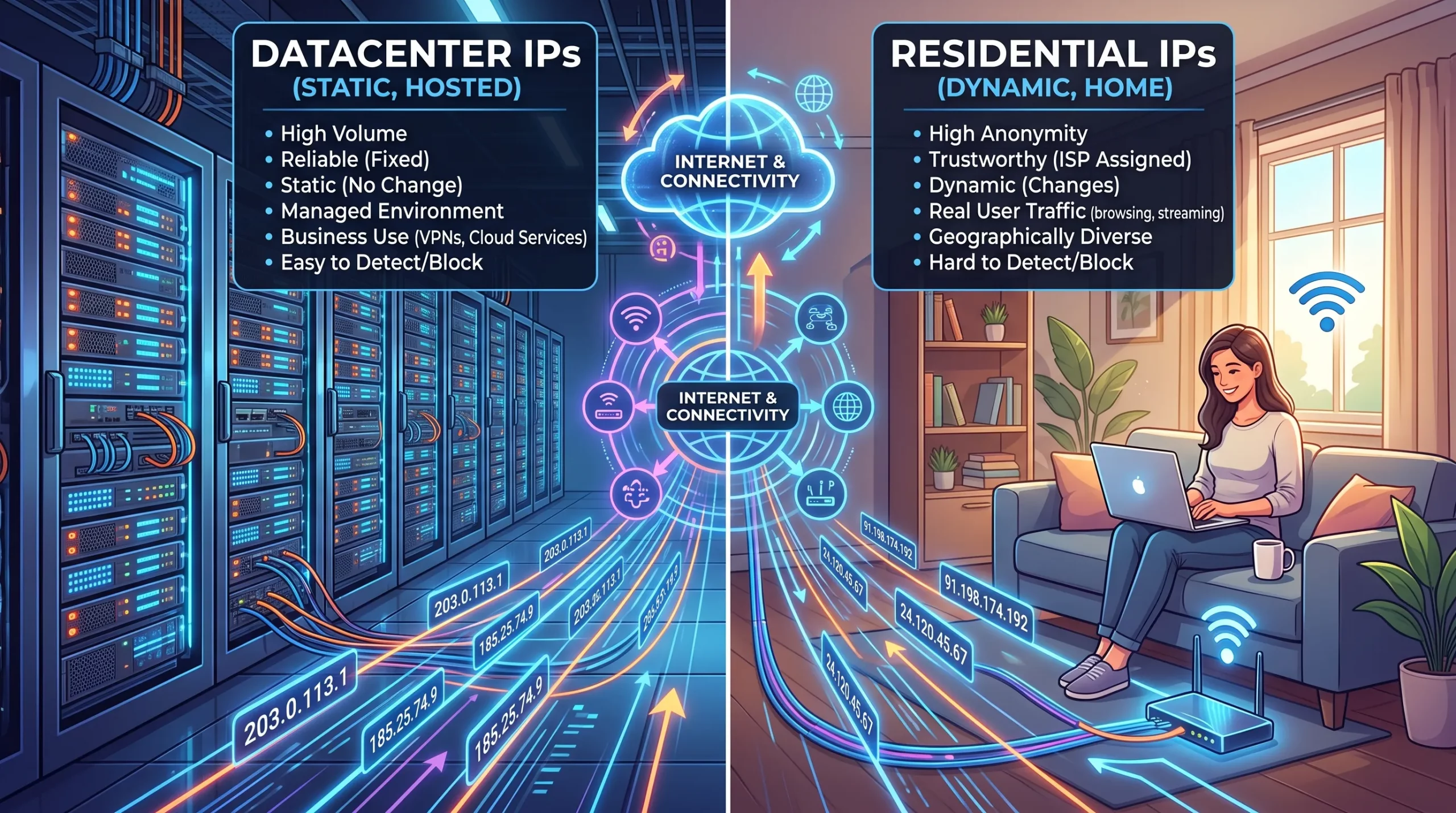
Direcciones IP de centros de datos frente a direcciones IP residenciales: ¿Cuál es la diferencia y por qué es importante?
A data center IP address originates from a commercial data center, cloud provider, or hosting company, while a residential IP address is assigned by an internet service provider to a home or business user. The difference lies in the origin: one comes from infrastructure designed to run servers; the other, from a connection designed to serve an end user. This single distinction determines how the rest of the internetRead more Related Posts ¿Qué es una Carta de Autorización (LOA) en el arrendamiento de propiedad intelectual? LOA vs. ROA y qué verificar Una Carta de Autorización (LOA) es un documento formal mediante el cual el titular registrado de un bloque de direcciones 数据中心IP地址与住宅IP地址:区别是什么?为什么这很重要? 常见问题解答 数据中心 IP 地址来源于商业数据中心、云服务提供商或托管公司,而住宅 IP 地址则由互联网服务提供商分配给家庭或企业用户。 两者的区别在于来源:一种来自为运行服务器而建设的基础设施,另一种来自为终端用户提供连接而建设的网络。正是这一根本区别,决定了互联网其他系统如何看待来自这两类地址的流量。 这个话题通常只会在代理和反检测的狭窄语境下被讨论,因此很容易形成片面的认知。实际上,数据中心 IP 与住宅 IP 的区别,对任何运营互联网基础设施的人都很重要,因为它会影响一个地址天然具有多少信任度、网站和安全系统如何响应它,以及这个地址适合什么用途。几乎所有合法的商业互联网基础设施——包括你使用的每个网站、API、邮件服务器和云服务——都运行在数据中心 IP 地址空间上,而这本来就是正确的使用方式。重点并不是哪一种更好、哪一种更差;而是它们服务于不同目的,也会受到不同方式的对待。了解自己正在使用或真正需要哪一种,可以避免许多本来可以避免的问题。 本文将解释这两种 IP 地址分别是什么、系统如何区分它们、为什么它们会受到不同对待,以及这种差异对于在公共 IPv4 地址空间上部署真实服务的企业意味着什么——包括它与地址信誉、地理定位以及不同使用场景究竟需要哪种地址空间之间的关系。 数据中心 Adresses IP de centres de données vs adresses IP résidentielles : quelle est la différence ? Pourquoi est-ce important ? Une adresse IP de centre de données provient d’un centre de données commercial, d’un fournisseur cloud ou d’une société d’hébergement, .related-post {} .related-post .post-list { text-align: left; } .related-post .post-list .item { margin: 5px; padding: 10px; } .related-post .headline { font-size: 18px !important; color: #999999 !important; } .related-post .post-list .item .post_thumb { max-height: 220px; margin: 10px 0px; padding: 0px; display: block; } .related-post .post-list .item .post_title { font-size: 16px; color: #3f3f3f; margin: 10px 0px; padding: 0px; display: block; text-decoration: none; } .related-post .post-list .item .post_excerpt { font-size: 13px; color: #3f3f3f; margin: 10px 0px; padding: 0px; display: block; text-decoration: none; } @media only screen and (min-width: 1024px) { .related-post .post-list .item { width: 30%; } } @media only screen and (min-width: 768px) and (max-width: 1023px) { .related-post .post-list .item { width: 90%; } } @media only screen and (min-width: 0px) and (max-width: 767px) { .related-post .post-list .item { width: 90%; } }
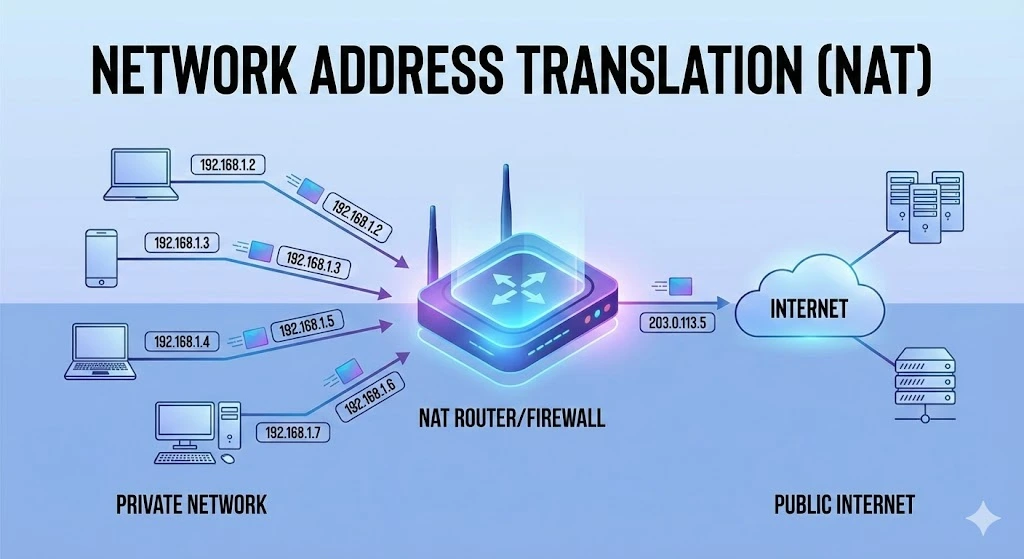
Comprensión de la traducción de direcciones de red (NAT)
En las redes informáticas, gestionar las direcciones IP de forma eficiente es fundamental para garantizar una comunicación fluida entre los dispositivos. Una de las tecnologías clave que ha surgido para afrontar este desafío es la Traducción de Direcciones de Red (NAT, por sus siglas en inglés). En este artículo explicamos qué es NAT, cómo funciona, sus distintos tipos, así como sus ventajas y limitaciones. ¿Qué es la traducción deRead more Related Posts ¿Qué es una Carta de Autorización (LOA) en el arrendamiento de propiedad intelectual? LOA vs. ROA y qué verificar Una Carta de Autorización (LOA) es un documento formal mediante el cual el titular registrado de un bloque de direcciones Direcciones IP de centros de datos frente a direcciones IP residenciales: ¿Cuál es la diferencia y por qué es importante? A data center IP address originates from a commercial data center, cloud provider, or hosting company, while a residential IP Desbloqueando la privacidad digital con una red privada virtual (VPN) ¿Qué es una VPN? Una red privada virtual (VPN) es una tecnología que permite a los usuarios crear una conexión .related-post {} .related-post .post-list { text-align: left; } .related-post .post-list .item { margin: 5px; padding: 10px; } .related-post .headline { font-size: 18px !important; color: #999999 !important; } .related-post .post-list .item .post_thumb { max-height: 220px; margin: 10px 0px; padding: 0px; display: block; } .related-post .post-list .item .post_title { font-size: 16px; color: #3f3f3f; margin: 10px 0px; padding: 0px; display: block; text-decoration: none; } .related-post .post-list .item .post_excerpt { font-size: 13px; color: #3f3f3f; margin: 10px 0px; padding: 0px; display: block; text-decoration: none; } @media only screen and (min-width: 1024px) { .related-post .post-list .item { width: 30%; } } @media only screen and (min-width: 768px) and (max-width: 1023px) { .related-post .post-list .item { width: 90%; } } @media only screen and (min-width: 0px) and (max-width: 767px) { .related-post .post-list .item { width: 90%; } }
