تحديات تبني الإصدار السادس من بروتوكول الإنترنت IPv6: حلول للانتقال السلس
 Chan
Chanفي المشهد سريع التطور لتكنولوجيا الإنترنت، أصبح الانتقال من IPv4 إلى IPv6 مصدر قلق متزايد للمؤسسات في جميع أنحاء العالم. وبينما يوفر الإصدار السادس من بروتوكول الإنترنت IPv6 مزايا عديدة مقارنة بسابقه، بما في ذلك مساحة عنوان موسعة بشكل كبير وميزات أمان محسنة، فإن اعتماده يمثل تحديات وتعقيدات فريدة من نوعها. في هذه المقالة، سوف نستكشف التحديات الرئيسية المرتبطة باعتماد الإصدار السادس من بروتوكول الإنترنت IPv6 ونقدم حلولاً عملية للتغلب عليها.
Table of Contents
فهم التحديات الخمسة (5) لاعتماد الإصدار السادس من بروتوكول الإنترنت IPv6:
استنفاد عنوان IPv4
يتمثل أحد الدوافع الرئيسية وراء الانتقال إلى الإصدار السادس من بروتوكول الإنترنت IPv6 في الاستنفاد الوشيك لعناوين IPv4 المتاحة. فمع انتشار الأجهزة المتصلة بالإنترنت والطلب المتزايد على عناوين IP، أصبحت مساحة عناوين IPv4 المحدودة متوترة بشكل متزايد، مما يستلزم اعتماد IPv6 لاستيعاب النمو المستقبلي.
توافق البنية التحتية القديمة:
تعتمد العديد من المؤسسات على بنية تحتية وتطبيقات شبكات قديمة غير متوافقة بطبيعتها مع الإصدار السادس من بروتوكول الإنترنت IPv6. يمكن أن يكون ترحيل هذه الأنظمة إلى الإصدار السادس من بروتوكول الإنترنت IPv6 عملية معقدة وتستغرق وقتاً طويلاً، وتتطلب اختباراً شاملاً وربما ترقيات أو عمليات استبدال مكلفة.
نقص الوعي والتدريب
على الرغم من أهمية اعتماد الإصدار السادس من بروتوكول الإنترنت IPv6، إلا أن العديد من المتخصصين في تكنولوجيا المعلومات والمؤسسات يفتقرون إلى الوعي بفوائده وتعقيداته التقنية. ويمكن أن يؤدي الافتقار إلى التدريب والخبرة في تنفيذ الإصدار السادس من بروتوكول الإنترنت IPv6 إلى إعاقة جهود التبني والمساهمة في المقاومة أو الشكوك بين أصحاب المصلحة.
الشواغل الأمنية:
على الرغم من أن الإصدار السادس من بروتوكول IPv6 يوفر ميزات أمنية مدمجة مثل تكامل بروتوكول الإنترنت IPsec والتكوين التلقائي للعنوان، إلا أن اعتماده يمكن أن يؤدي إلى مخاطر أمنية جديدة ونقاط ضعف إذا لم تتم إدارته بشكل صحيح. يجب على المؤسسات تنفيذ تدابير وبروتوكولات أمنية قوية للتخفيف من المخاطر المحتملة المرتبطة بنشر الإصدار السادس من بروتوكول الإنترنت IPv6.
أداء الشبكة وتحسينها:
قد يؤثر الانتقال إلى بروتوكول IPv6 على أداء الشبكة وكفاءتها، خاصة خلال فترة التعايش عندما يكون بروتوكولا IPv4 و IPv6 قيد الاستخدام. يعد التخطيط السليم واستراتيجيات التحسين ضرورية لتقليل الاضطرابات وضمان الأداء الأمثل خلال عملية الانتقال.
استراتيجيات التغلب على تحديات تبني الإصدار السادس من بروتوكول الإنترنت IPv6:
وضع خطة شاملة للتبني:
ابدأ بإجراء تقييم شامل للبنية التحتية الحالية لشبكة مؤسستك وتطبيقاتها ومواردها. وضع خطة اعتماد مفصلة تحدد الأهداف والجداول الزمنية والمعالم المحددة للانتقال إلى الإصدار السادس من بروتوكول الإنترنت IPv6.
الاستثمار في التدريب والتعليم على الإصدار السادس من بروتوكول الإنترنت IPv6.
توفير تدريب وتثقيف شامل لموظفي تكنولوجيا المعلومات وأصحاب المصلحة لديك لزيادة الوعي والفهم لتقنية IPv6 وتطبيقها. تشجيع التعلم المستمر وتطوير المهارات لضمان الانتقال السلس. لتعليم IPv6، اتصل بنا لمعرفة المزيد!
اختبار التوافق والتحقق من توافقه:
قبل النشر، قم بإجراء اختبارات صارمة والتحقق من توافق IPv6 مع الأنظمة والتطبيقات والأجهزة الحالية. تحديد ومعالجة أي مشاكل في التوافق أو تحديات قابلية التشغيل البيني للحد من الاضطرابات أثناء عملية الانتقال.
تنفيذ أفضل الممارسات الأمنية:
إعطاء الأولوية للأمان خلال عملية اعتماد الإصدار السادس من بروتوكول الإنترنت IPv6 من خلال تطبيق أفضل الممارسات مثل تجزئة الشبكة، وضوابط الوصول، والتشفير، وأنظمة كشف التسلل. البقاء على اطلاع على التهديدات الناشئة ونقاط الضعف المتعلقة بالإصدار السادس من بروتوكول الإنترنت IPv6 ومعالجتها بشكل استباقي للتخفيف من المخاطر.
التعاون مع شركاء الصناعة:
الانخراط مع شركاء الصناعة والبائعين ومقدمي الخدمات للاستفادة من خبراتهم ومواردهم في اعتماد الإصدار السادس من بروتوكول الإنترنت IPv6. تعاون في اختبار قابلية التشغيل البيني، وتبادل أفضل الممارسات، واطلب التوجيه من المتخصصين ذوي الخبرة في مجال عناوين بروتوكول الإنترنت مثل مسؤولي لاروس لتسهيل عملية الانتقال الناجح.
اعتماد IPv6 باختصار
في حين أن اعتماد الإصدار السادس من بروتوكول الإنترنت IPv6 يمثل العديد من التحديات، إلا أن التخطيط الاستباقي والتعليم والتعاون يمكن أن يساعد المؤسسات على التغلب على هذه العقبات وجني فوائد البنية التحتية الحديثة والقابلة للتطوير والآمنة للإنترنت. من خلال معالجة التحديات الرئيسية وتنفيذ أفضل الممارسات، يمكن للمؤسسات الانتقال إلى الإصدار السادس من بروتوكول الإنترنت IPv6 بثقة وضمان الانتقال السلس إلى الجيل التالي من تكنولوجيا الإنترنت.
Artículos relacionados
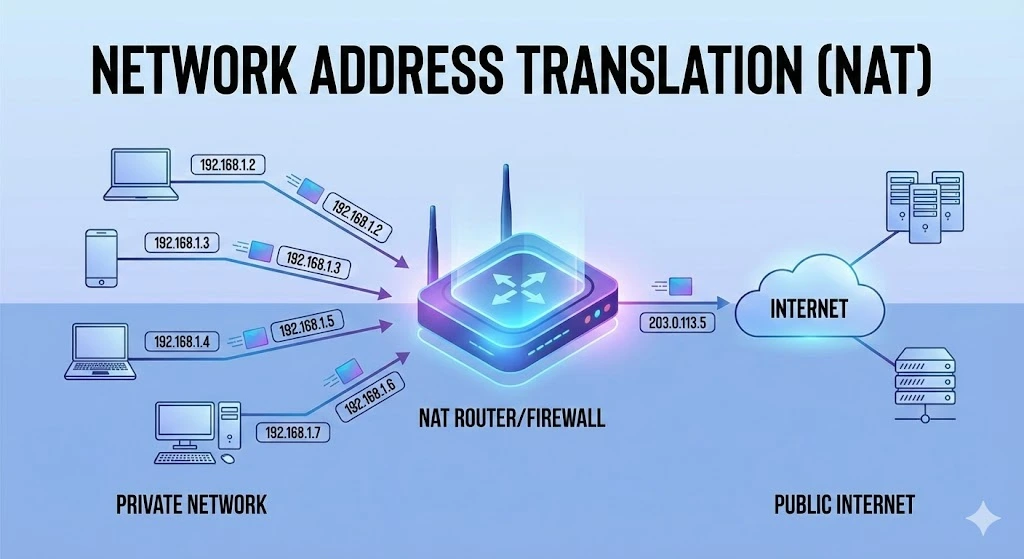
Comprensión de la traducción de direcciones de red (NAT)
En las redes informáticas, gestionar las direcciones IP de forma eficiente es fundamental para garantizar una comunicación fluida entre los dispositivos. Una de las tecnologías clave que ha surgido para afrontar este desafío es la Traducción de Direcciones de Red (NAT, por sus siglas en inglés). En este artículo explicamos qué es NAT, cómo funciona, sus distintos tipos, así como sus ventajas y limitaciones. ¿Qué es la traducción deRead more Related Posts Desbloqueando la privacidad digital con una red privada virtual (VPN) ¿Qué es una VPN? Una red privada virtual (VPN) es una tecnología que permite a los usuarios crear una conexión Comprensión de la traducción de direcciones de red (NAT) En las redes informáticas, gestionar las direcciones IP de forma eficiente es fundamental para garantizar una comunicación fluida entre los ¿Por qué Malasia se está convirtiendo en un centro neurálgico para la infraestructura de nube e IA? Malasia se está convirtiendo en uno de los mercados de crecimiento de centros de datos más importantes del Sudeste Asiático. .related-post {} .related-post .post-list { text-align: left; } .related-post .post-list .item { margin: 5px; padding: 10px; } .related-post .headline { font-size: 18px !important; color: #999999 !important; } .related-post .post-list .item .post_thumb { max-height: 220px; margin: 10px 0px; padding: 0px; display: block; } .related-post .post-list .item .post_title { font-size: 16px; color: #3f3f3f; margin: 10px 0px; padding: 0px; display: block; text-decoration: none; } .related-post .post-list .item .post_excerpt { font-size: 13px; color: #3f3f3f; margin: 10px 0px; padding: 0px; display: block; text-decoration: none; } @media only screen and (min-width: 1024px) { .related-post .post-list .item { width: 30%; } } @media only screen and (min-width: 768px) and (max-width: 1023px) { .related-post .post-list .item { width: 90%; } } @media only screen and (min-width: 0px) and (max-width: 767px) { .related-post .post-list .item { width: 90%; } }
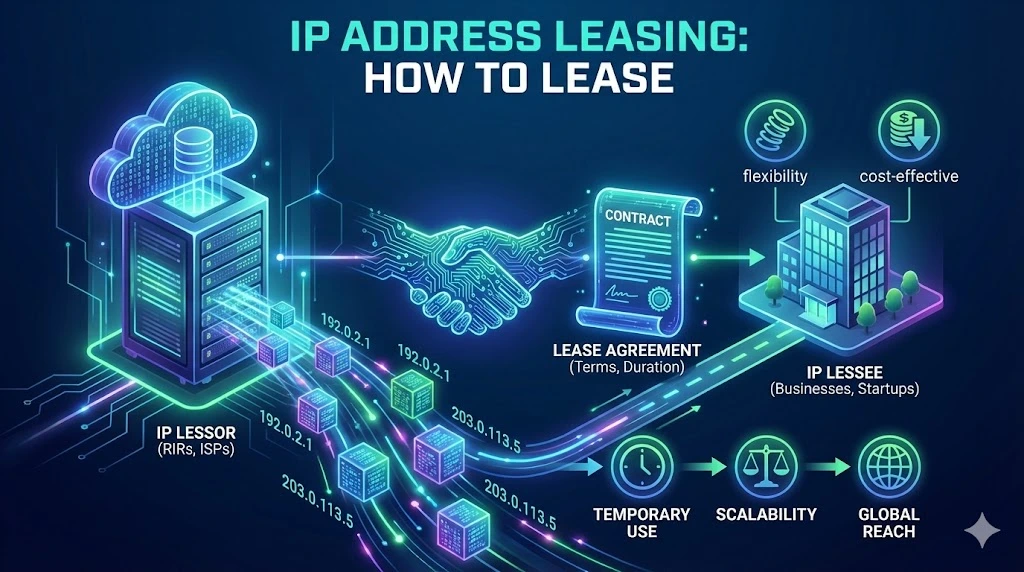
Arrendamiento de direcciones IP: Cómo arrendar direcciones IP
El mundo digital en el que nos movemos hoy depende en gran medida de las direcciones IP, identificadores únicos asignados a los dispositivos conectados a internet o a una red local. A medida que la demanda de direcciones IP sigue aumentando, empresas y particulares exploran diversas opciones para obtener los recursos necesarios. Un método cada vez más popular es el arrendamiento de direcciones IP. Este artículo profundiza en elRead more Related Posts Desbloqueando la privacidad digital con una red privada virtual (VPN) ¿Qué es una VPN? Una red privada virtual (VPN) es una tecnología que permite a los usuarios crear una conexión Comprensión de la traducción de direcciones de red (NAT) En las redes informáticas, gestionar las direcciones IP de forma eficiente es fundamental para garantizar una comunicación fluida entre los ¿Por qué Malasia se está convirtiendo en un centro neurálgico para la infraestructura de nube e IA? Malasia se está convirtiendo en uno de los mercados de crecimiento de centros de datos más importantes del Sudeste Asiático. .related-post {} .related-post .post-list { text-align: left; } .related-post .post-list .item { margin: 5px; padding: 10px; } .related-post .headline { font-size: 18px !important; color: #999999 !important; } .related-post .post-list .item .post_thumb { max-height: 220px; margin: 10px 0px; padding: 0px; display: block; } .related-post .post-list .item .post_title { font-size: 16px; color: #3f3f3f; margin: 10px 0px; padding: 0px; display: block; text-decoration: none; } .related-post .post-list .item .post_excerpt { font-size: 13px; color: #3f3f3f; margin: 10px 0px; padding: 0px; display: block; text-decoration: none; } @media only screen and (min-width: 1024px) { .related-post .post-list .item { width: 30%; } } @media only screen and (min-width: 768px) and (max-width: 1023px) { .related-post .post-list .item { width: 90%; } } @media only screen and (min-width: 0px) and (max-width: 767px) { .related-post .post-list .item { width: 90%; } }
¿Qué es el agotamiento de direcciones IPv4?
IPv4 es la versión inicial del Protocolo de Internet (IP), capaz de generar 4.300 millones de posibles direcciones IPv4. Sin embargo, muchas de estas direcciones están reservadas para fines específicos, como investigación y desarrollo. Esto deja un conjunto limitado disponible para organizaciones e individuos en todo el mundo. Con el crecimiento exponencial de Internet, la demanda de direcciones IPv4 se ha disparado. Esto provocó una rápida disminución de lasRead more Related Posts Desbloqueando la privacidad digital con una red privada virtual (VPN) ¿Qué es una VPN? Una red privada virtual (VPN) es una tecnología que permite a los usuarios crear una conexión Comprensión de la traducción de direcciones de red (NAT) En las redes informáticas, gestionar las direcciones IP de forma eficiente es fundamental para garantizar una comunicación fluida entre los Arrendamiento de direcciones IP: Cómo arrendar direcciones IP El mundo digital en el que nos movemos hoy depende en gran medida de las direcciones IP, identificadores únicos asignados .related-post {} .related-post .post-list { text-align: left; } .related-post .post-list .item { margin: 5px; padding: 10px; } .related-post .headline { font-size: 18px !important; color: #999999 !important; } .related-post .post-list .item .post_thumb { max-height: 220px; margin: 10px 0px; padding: 0px; display: block; } .related-post .post-list .item .post_title { font-size: 16px; color: #3f3f3f; margin: 10px 0px; padding: 0px; display: block; text-decoration: none; } .related-post .post-list .item .post_excerpt { font-size: 13px; color: #3f3f3f; margin: 10px 0px; padding: 0px; display: block; text-decoration: none; } @media only screen and (min-width: 1024px) { .related-post .post-list .item { width: 30%; } } @media only screen and (min-width: 768px) and (max-width: 1023px) { .related-post .post-list .item { width: 90%; } } @media only screen and (min-width: 0px) and (max-width: 767px) { .related-post .post-list .item { width: 90%; } }
