IPv4 decision library

Practical IPv4 guidance for decisions and operations

Research public and private IPv4, leasing and purchase choices, address reputation, RIR requirements, routing, RPKI, LOAs, and day-to-day network responsibilities.

What this library covers

Market context, commercial choices, registry readiness, and operational controls—without treating external approval, reputation, or availability as guaranteed.

178 published guides

From the library

Latest IPv4 guidance

New and updated articles are ordered by publication date. Open the guide that matches your current question.

  1. What Documents Are Needed for an IPv4 Transfer? A Buyer and Seller Checklist

    What Documents Are Needed for an IPv4 Transfer? A Buyer and Seller Checklist

    Transferring IPv4 address space from one organization to another involves more than agreeing on a prefix and a price. A successful IPv4 transfer may require documentation showing who the parties are, who is authorized to act for them, which IPv4 resources are involved, whether the source is entitled

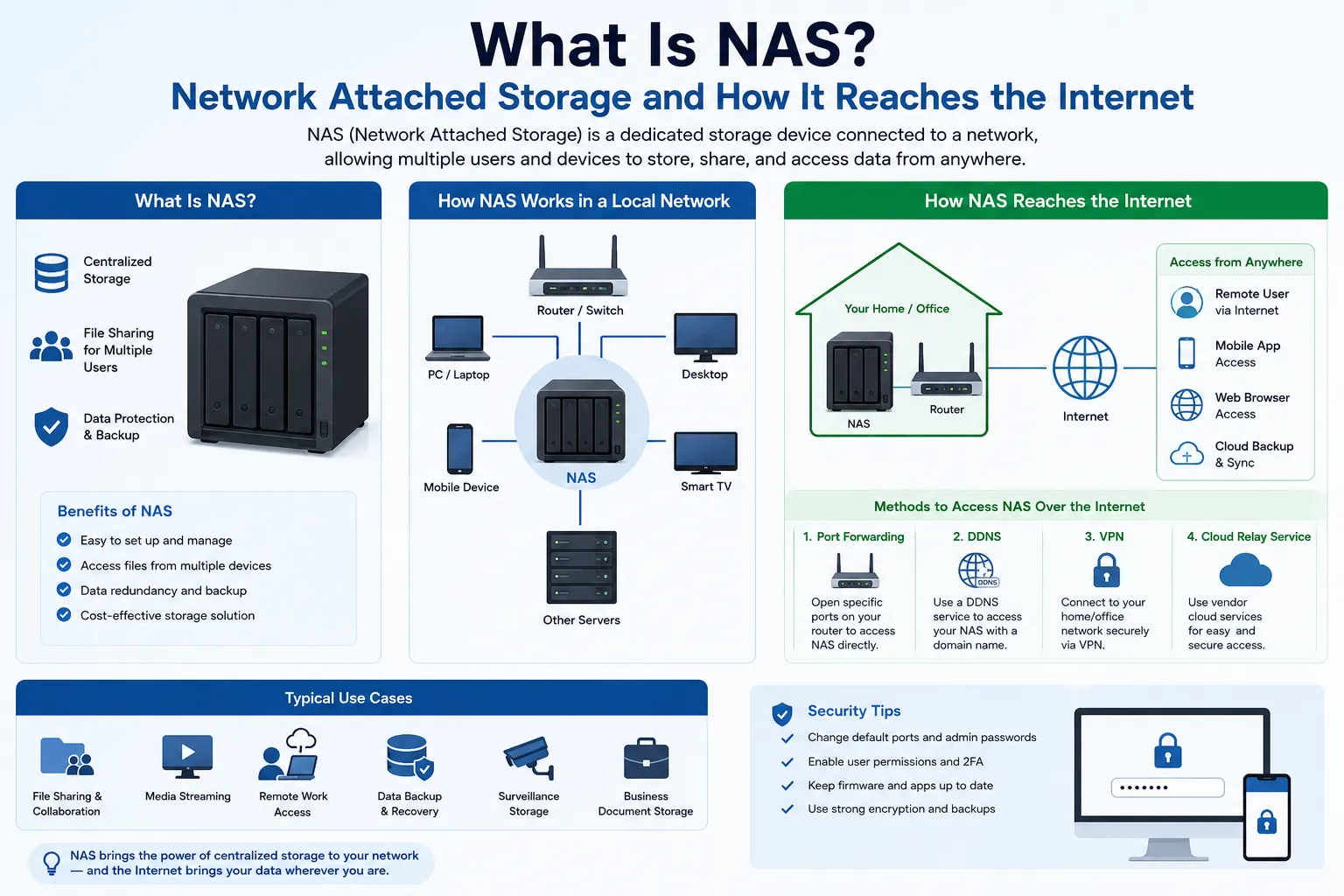
  2. What Is NAS? Network Attached Storage and How It Reaches the Internet

    What Is NAS? Network Attached Storage and How It Reaches the Internet

    NAS stands for Network Attached Storage. It is a dedicated storage device that connects to a network and serves files to every authorised computer, server, or application on that network, instead of storing data on individual machines. Where a normal external drive belongs to one computer, a NAS bel

  3. What Is Network Abuse? Handling Abuse Reports for Your IP Space

    What Is Network Abuse? Handling Abuse Reports for Your IP Space

    Network abuse is the use of IP address space to conduct harmful activity spam, phishing, malware distribution, brute-force attacks, scanning, or participating in attacks and abuse reports are the notifications sent to whoever is responsible for that space when it happens. Those reports arrive at the

  4. What Happens to IPv4 Records After an IP Address Transfer?

    What Happens to IPv4 Records After an IP Address Transfer?

    Completing an IPv4 transfer does more than move address space from one organization to another. It changes the administrative relationship around the IPv4 block—and that can affect multiple records and services associated with the resource. After an IPv4 transfer, organizations may need to review or

  5. How RIR Policy Differences Shape IPv4 Transactions Across Regions

    How RIR Policy Differences Shape IPv4 Transactions Across Regions

    Two IPv4 blocks can have the same prefix size, similar market value, and equally willing buyers and sellers—yet require different transaction preparation. The reason is that an IPv4 transaction does not exist only at the commercial layer. The address block is also registered within a Regional Intern

  6. Proxy vs VPN: What’s the Difference and Which Do You Need?

    Proxy vs VPN: What’s the Difference and Which Do You Need?

    A proxy reroutes traffic for a specific application through an intermediary server, while a VPN routes and encrypts all of a device’s traffic through a secure tunnel. The short version: a proxy changes the apparent source of some of your traffic; a VPN changes and protects the source of all of