IPv4 Pricing: An Overview of How Much IPv4 Is
Why does IPv4 pricing continue to go up? The most straightforward answer is scarcity.
Table of Contents
In the early 1980s, IPv4 addresses were doled out freely to anyone in need. Tech giants like Microsoft, Hewlett-Packard, and Xerox hoarded vast blocks of them. However, mismanagement and unforeseen demand quickly depleted the pool.
In 2011, we arrived at a crossroads. This was the turning point that led to the IPv4 address exhaustion and the emergence of the IP lease market.The Internet Assigned Numbers Authority (IANA) played a pivotal role, dividing the remaining IPv4 addresses among the Regional Internet Registries (RIRs).
One by one, APNIC, RIPE NCC, LACNIC, and ARIN exhausted their allocated addresses, leaving us with not enough IPv4s to work with.
IPv6: The Promised Alternative
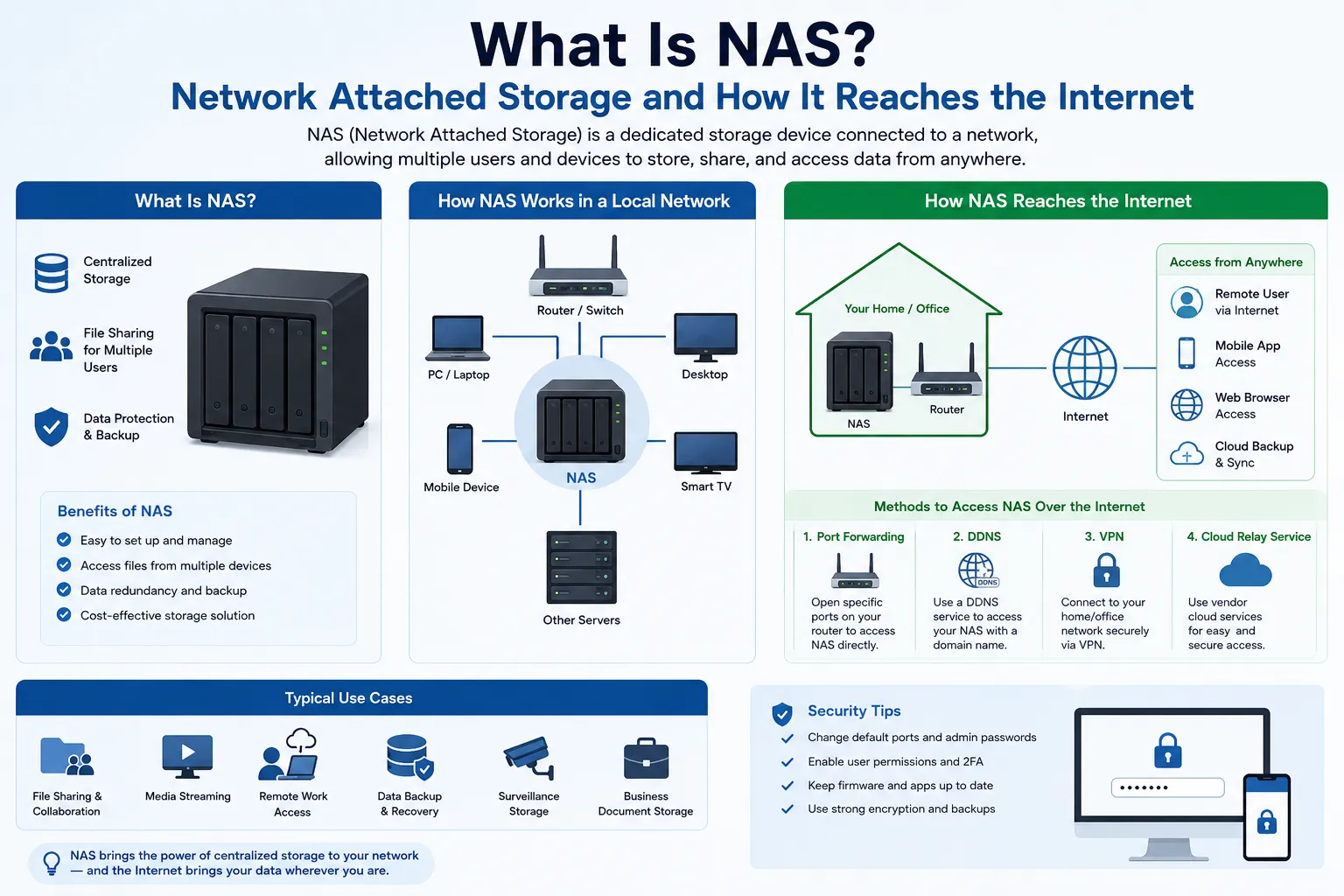
IPv6, introduced in 1995, was hailed as the solution to rising IPv4 cost and imminent exhaustion. However, adoption has been sluggish due to the effectiveness of IPv4’s Network Address Translation (NAT) technology.
What does NAT do? Quite simply, it allows an organization to have (for example) only one public IP address. NAT assigns private IP addresses to devices within a network, so it reduces the need for public IP addresses.
Despite some mobile network operators showing promise, the majority of companies and service providers are hesitant to embrace IPv6, slowing its widespread adoption.
The Soaring IPv4 Cost
In the past, you could purchase an IPv4 address for a mere $10-15. Fast-forward to 2021, and the price per address has surged to $23-60, depending on subnet size.
Companies like Microsoft, Google, and Amazon have made headlines for their multi-million dollar IPv4 acquisitions.
IPv4 Lease Market: An Alternative
Faced with the increasing costs of buying IPv4, many companies are exploring leasing as a more viable option. IPv4 leasing is a good choice for IP holders and companies who want connectivity without a big upfront cost. This market is flourishing, with stable and predictable lease prices observed throughout 2022.
IPv4 Address Prices & Pricing
The landscape of IPv4 address pricing has undergone remarkable changes in recent years. Pricing changes reflect the evolving needs and challenges of the digital world. Obtaining accurate and up-to-date information about IPv4 address pricing can be a challenging task.
While transfers are public knowledge, the actual prices at which these transfers occur are not always clear.
How Demand has Affected the Pricing of a Once-Abundant Resource
Developed in 1981, IPv4 offered a substantial 4.3 billion unique identifying number configurations, deemed more than sufficient at the time. However, the unforeseen proliferation of Internet devices and services has led to the depletion of IPv4 addresses.
In 2011, the exhaustion started when IANA gave out its final IPv4 addresses to the RIRs.
Prices remained relatively stable from 2016 to 2019. However, over the course of five years, they gradually and noticeably increased. The yearly increase was almost 20%.
The first half of 2020 witnessed a slowdown as the pandemic swept across the world. The pandemic impacted network expansions and reducing demand for IPv4 addresses.
In early 2021, the economy rebounded and there was a significant rise in the demand for IPv4 addresses. This is because IPv4 addresses are simpler to use compared to IPv6. A significant portion of the potential supply remained untapped, as renumbering projects were slow to resume.
With limited supply and surging demand, IPv4 prices skyrocketed during 2021, doubling or more within a short span.
The Prices of Large IPv4 Blocks Have Gone Up
An intriguing phenomenon that emerged during this time was the inversion of pricing for large IPv4 blocks. Historically, large blocks were available at a discount. This is because it is difficult to manage huge blocks (more complicated and may require more network technicians).
Also, not many companies wanted to buy huge blocks of IP addresses.
However, the market dynamics shifted in 2021, with larger blocks becoming relatively more costly than smaller ones. Smart sellers and traders began dividing large blocks into smaller batches. They would then sell these smaller batches separately.
This allowed them to take advantage of the higher value of a divided block.
The global economy’s uncertainties in 2022, including rising inflation and recession concerns, impacted business investments and infrastructure development.
Despite a tough economy, the need for IPv4 addresses remained high as transfer volumes rose at RIPE and ARIN.The IPv4 market is strong. However, drawing conclusions is difficult.
This is because of the complex interplay of supply, demand, economy, and technology. The future remains uncertain, and market dynamics are subject to constant change. As the digital world continues to evolve, the increase of IPv4 address pricing is far from over.
IPv6 Adoption and a Sustainable Future
While IPv4 scarcity continues to challenge the Internet ecosystem, the adoption of IPv6 remains uncertain. IPv4 will remain the dominant part of the Internet until IPv6 gains more popularity. This will lead to an increase in the prices of IPv4.
The key lies in fostering a balance between IPv4 sales, leasing, and responsible management to navigate the Internet’s future.
Whether through leasing or responsible management, it is crucial to find sustainable solutions to sustain our need to connect online. As the cost of IP addresses get out of hand, leasing an IP address might be the best solution for your business needs.
Get in touch with i.Lease today.
Related Article
- How to Find my IPv4
- How to Change Your IPv4 Address
- Understanding the Difference Between Ipv4 and IPv6
相关文章

IPv4市场的未来
尽管 IPv6 持续扩展,稀缺性仍使 IPv4 保持价值,并支撑着一个全球性的二级市场,在这个市场中,IP 地址正日益作为可交易的数字资产发挥作用。 有限的 IPv4 供应催生了一个成熟的二级市场,地址段在全球范围内被买卖和租赁。 价格虽会波动,但来自云计算、托管服务和 AI 基础设施的持续需求表明,IPv4 市场未来多年仍将保持活跃。 发生了什么事? 数字商品的崛起 全球 IPv4 地址市场正进入一个新阶段。IPv4 地址曾被视为由互联网注册机构免费分配的技术资源,如今已作为稀缺的数字资产被交易、租赁和管理。 这种转变源于一个简单的结构性事实:IPv4 协议仅支持大约 43 亿个唯一地址,而全球可自由分配的地址池实际上已经耗尽。随着互联网连接需求不断扩大——从智能手机和云计算到物联网设备——可用供应持续减少。 如今,需要额外地址的公司通常通过转让或二级市场获取,而不是直接从注册机构获得分配。其结果是,一个全球性的市场已经形成,在这个市场中,地址段可以被估值、交易,甚至作为金融工具使用。 根据行业数据,IPv4 地址已经从几乎可以忽略不计的基础设施组成部分,演变为一种被认可的商品。分析人士指出,机构如今可以从此前未使用的地址分配中获得可观回报,而某些地址段根据其规模和信誉,有时价值可达数百万美元。 Larus 等服务商以及类似交易平台所提供的经纪与市场服务的出现,表明互联网寻址系统已与现代数字经济紧密交织在一起。 IPv4 如何成为可交易资产 在早期互联网时代,IP 地址市场的概念几乎难以想象。数十年来,组织可以以极低成本、且监管有限的情况下,从区域互联网注册机构(RIR)获得大规模地址段。 然而,IPv4 地址池的耗尽改变了这一格局。 当新的地址分配不再可获得时,需求开始转向组织之间的转让。那些拥有未使用地址段的机构——通常是大学、早期互联网服务提供商或传统科技企业——突然持有了其他组织在运营和扩展中所需的资产。 行业报告显示,IPv4 地址的价值发生了显著变化。2014 年,IPv4 地址的平均交易价格约为每个 15 美元。五年内,这一价格翻倍至约 30 美元,而到 2021–2022 年,一些交易甚至超过每个地址 45 至 60 美元。 正如一位经纪行业高管在分析中所指出的,IPv4 地址实际上已成为数字基础设施经济中的一种“商品”。 这一转变重新塑造了企业管理网络资源的方式。IPv4 地址不再仅仅被视为技术标识符,IPv4 地址资源如今也被计入资产负债表,成为可以变现的资产。 IPv4 市场结构 现代 IPv4 生态系统由多个相互联动的组成部分构成: 区域互联网注册机构(RIR)ARIN、RIPE NCC 和 APNIC 等机构负责监管地址分配,并监督其各自区域内的转让活动。 经纪商和交易平台专业中介机构协助促成交易,帮助买家寻找可用地址段,并确保交易符合注册机构政策要求。 二级市场买家云服务提供商、托管公司、电信运营商和数据平台是 IPv4 资源的主要购买方。 地址转让流程本身类似于受监管的资产交易。买方必须说明其对地址资源的需求,并遵守注册机构的相关要求,而经纪商通常还会提供托管服务和验证流程,以降低欺诈风险。Read more Related Posts IPv4 数据中心租赁:你需要了解的事项 随着 IPv4 稀缺性持续加剧,越来越多数据中心开始通过IPv4 租赁来扩展基础设施、控制成本,并维持稳定的公网连通性。原文开篇就指出,IPv4 地址短缺正在推动数据中心更频繁地采用租赁模式,以支持扩容、成本管理与全球连接需求。 对许多数据中心来说,IPv4 已不只是一个技术资源,而是一项必须被规划与管理的关键基础设施。特别是在云服务、SaaS、邮件服务和混合云架构持续扩张的情况下,如何取得可用、可部署、可管理的 IPv4 地址,已经成为实际营运问题。原文列出数据中心仍依赖 IPv4 的核心原因,包括托管公网服务、兼容旧系统,以及支撑全球路由与可达性。 为什么数据中心至今仍然离不开 IPv4? 虽然 IPv6 已推出多年,但 IPv4 仍然是全球互联网的重要组成部分。原文指出,IPv4 诞生于 1980 年代,总地址量约为 Read more 关于出售 IP 地址的常见误区 IPv4 二级市场常常被一层神秘感所笼罩,导致许多企业因为担心复杂性或所谓的法律“灰色地带”,而迟迟未能释放其所持有的宝贵数字资产。随着 IPv4 枯竭成为不可逆的现实,这些地址的价值持续攀升,但各种误解仍在阻碍潜在交易的发生。在 i.lease(由 LARUS 的实际运营经验支持)中,我们亲眼见证了这些误区如何让企业错失释放资本的机会。由于我们覆盖 IP 资源的完整生命周期管理——从路由协调到 RIR 合规——我们有能力为市场澄清这些误解。以下是关于出售 IP 地址最常见的误区,并通过技术现实进行解析与澄清。 误区一:“出售 IP 地址是非法的或违反 RIR 政策 这可能是最常见、也最顽固的误区之一。许多人认为,由于 IP Read more 市场上的IPv4定价由哪些因素决定? IPv4 地址的稀缺性、不断变化的需求以及 i.lease 等租赁平台正在重塑全球 IPv4 地址的价值评估和交易方式。IPv4 地址的定价主要受稀缺性、区块大小以及不同地区和行业需求波动的影响。包括 i.lease 在内的租赁模式正在动荡的购买市场中稳定成本。 市场上的IPv4定价由哪些因素决定? 稀缺性塑造的市场IPv4 地址曾经是自由分配的,如今却已成为一种可交易的数字商品。过去十年间,随着全球 IPv4 地址枯竭的加剧,一个二级市场应运而生,各机构在此买卖和租赁地址块。如今,IPv4 的定价反映了经济稀缺性、技术限制和制度安排之间复杂的相互作用。虽然 2025-2026 年的平均购买价格大致在每个地址 30 美元到 50 Read more .related-post {} .related-post .post-list { text-align: left; } .related-post .post-list .item { margin: 5px; padding: 10px; } .related-post .headline { font-size: 18px !important; color: #999999 !important; } .related-post .post-list .item .post_thumb { max-height: 220px; margin: 10px 0px; padding: 0px; display: block; } .related-post .post-list .item .post_title { font-size: 16px; color: #3f3f3f; margin: 10px 0px; padding: 0px; display: block; text-decoration: none; } .related-post .post-list .item .post_excerpt { font-size: 13px; color: #3f3f3f; margin: 10px 0px; padding: 0px; display: block; text-decoration: none; } @media only screen and (min-width: 1024px) { .related-post .post-list .item { width: 30%; } } @media only screen and (min-width: 768px) and (max-width: 1023px) { .related-post .post-list .item { width: 90%; } } @media only screen and (min-width: 0px) and (max-width: 767px) { .related-post .post-list .item { width: 90%; } }

市场上的IPv4定价由哪些因素决定?
IPv4 地址的稀缺性、不断变化的需求以及 i.lease 等租赁平台正在重塑全球 IPv4 地址的价值评估和交易方式。 IPv4 地址的定价主要受稀缺性、区块大小以及不同地区和行业需求波动的影响。 包括 i.lease 在内的租赁模式正在动荡的购买市场中稳定成本。 市场上的IPv4定价由哪些因素决定? 稀缺性塑造的市场 IPv4 地址曾经是自由分配的,如今却已成为一种可交易的数字商品。过去十年间,随着全球 IPv4 地址枯竭的加剧,一个二级市场应运而生,各机构在此买卖和租赁地址块。 如今,IPv4 的定价反映了经济稀缺性、技术限制和制度安排之间复杂的相互作用。虽然 2025-2026 年的平均购买价格大致在每个地址 30 美元到 50 美元之间,但这一价格范围掩盖了因地址块大小、地理位置和使用情况而产生的显著差异。 与此同时,租赁引入了一种更可预测的定价模式。月租费通常在每个 IP 地址 0.30 美元到 0.50 美元左右,形成了一种类似订阅的市场,这与波动较大的购买价格形成鲜明对比。 最终,IPv4 并没有一个单一的“价格”,而是一个受结构性限制塑造的碎片化市场。 稀缺性仍然是根本驱动因素 IPv4 定价最关键的因素很简单:地址数量有限。 IPv4 协议提供约 43 亿个地址,而所有由区域注册机构管理的主要地址池自 2010 年代初以来均已耗尽。剩余的地址只能通过转让或租赁的方式重新分配。正如一份行业分析报告指出,“供应固定,需求增长”是市场价格动态的根本原因。 这种稀缺性已将 IPv4 从基础设施转变为一种资产类别。2020 年至 2022 年间,IPv4 价格飙升,一度达到每个地址 45 至 60 美元的高位,之后近年来有所回落。即使价格出现暂时性调整,有限供应造成的结构性上限仍然支撑着 IPv4 的长期估值。 需求模式正在转变,而不是消失 虽然稀缺性是恒定的,但需求却并非如此。相反,需求变得更加分散且周期性波动。 云计算、移动服务和联网设备的兴起持续支撑着基本需求。与此同时,大型买家(尤其是超大规模数据中心)的行为对价格产生了不成比例的影响。 例如,到 2025 年,IPv4 总传输量增长了 28%,而价格却下降了约 33%,这反映出主要参与者竞价力度的减弱。 这揭示了一个关键的动态:需求并非简单地推高价格,它还会重新分配市场力量。当大型买家退出市场时,小型参与者就会涌入,从而增加交易量,但降低价格压力。 区块大小造成价格不对称 并非所有IPv4地址的价格都相同。地址块大小起着至关重要的作用。Read more Related Posts IPv4 数据中心租赁:你需要了解的事项 随着 IPv4 稀缺性持续加剧,越来越多数据中心开始通过IPv4 租赁来扩展基础设施、控制成本,并维持稳定的公网连通性。原文开篇就指出,IPv4 地址短缺正在推动数据中心更频繁地采用租赁模式,以支持扩容、成本管理与全球连接需求。 对许多数据中心来说,IPv4 已不只是一个技术资源,而是一项必须被规划与管理的关键基础设施。特别是在云服务、SaaS、邮件服务和混合云架构持续扩张的情况下,如何取得可用、可部署、可管理的 IPv4 地址,已经成为实际营运问题。原文列出数据中心仍依赖 IPv4 的核心原因,包括托管公网服务、兼容旧系统,以及支撑全球路由与可达性。 为什么数据中心至今仍然离不开 IPv4? 虽然 IPv6 已推出多年,但 IPv4 仍然是全球互联网的重要组成部分。原文指出,IPv4 诞生于 1980 年代,总地址量约为 Read more 关于出售 IP 地址的常见误区 IPv4 二级市场常常被一层神秘感所笼罩,导致许多企业因为担心复杂性或所谓的法律“灰色地带”,而迟迟未能释放其所持有的宝贵数字资产。随着 IPv4 枯竭成为不可逆的现实,这些地址的价值持续攀升,但各种误解仍在阻碍潜在交易的发生。在 i.lease(由 LARUS 的实际运营经验支持)中,我们亲眼见证了这些误区如何让企业错失释放资本的机会。由于我们覆盖 IP 资源的完整生命周期管理——从路由协调到 RIR 合规——我们有能力为市场澄清这些误解。以下是关于出售 IP 地址最常见的误区,并通过技术现实进行解析与澄清。 误区一:“出售 IP 地址是非法的或违反 RIR 政策 这可能是最常见、也最顽固的误区之一。许多人认为,由于 IP Read more 市场上的IPv4定价由哪些因素决定? IPv4 地址的稀缺性、不断变化的需求以及 i.lease 等租赁平台正在重塑全球 IPv4 地址的价值评估和交易方式。IPv4 地址的定价主要受稀缺性、区块大小以及不同地区和行业需求波动的影响。包括 i.lease 在内的租赁模式正在动荡的购买市场中稳定成本。 市场上的IPv4定价由哪些因素决定? 稀缺性塑造的市场IPv4 地址曾经是自由分配的,如今却已成为一种可交易的数字商品。过去十年间,随着全球 IPv4 地址枯竭的加剧,一个二级市场应运而生,各机构在此买卖和租赁地址块。如今,IPv4 的定价反映了经济稀缺性、技术限制和制度安排之间复杂的相互作用。虽然 2025-2026 年的平均购买价格大致在每个地址 30 美元到 50 Read more .related-post {} .related-post .post-list { text-align: left; } .related-post .post-list .item { margin: 5px; padding: 10px; } .related-post .headline { font-size: 18px !important; color: #999999 !important; } .related-post .post-list .item .post_thumb { max-height: 220px; margin: 10px 0px; padding: 0px; display: block; } .related-post .post-list .item .post_title { font-size: 16px; color: #3f3f3f; margin: 10px 0px; padding: 0px; display: block; text-decoration: none; } .related-post .post-list .item .post_excerpt { font-size: 13px; color: #3f3f3f; margin: 10px 0px; padding: 0px; display: block; text-decoration: none; } @media only screen and (min-width: 1024px) { .related-post .post-list .item { width: 30%; } } @media only screen and (min-width: 768px) and (max-width: 1023px) { .related-post .post-list .item { width: 90%; } } @media only screen and (min-width: 0px) and (max-width: 767px) { .related-post .post-list .item { width: 90%; } }
关于 弹性IP地址 Elastic IP address: AWS 用户指南
在云计算中,保持 稳定的 IP 地址 对于 网站托管、应用程序和网络管理 至关重要。这就是 Elastic IP 地址(弹性 IP) 发挥作用的地方。如果你使用 亚马逊云 AWS,了解 Elastic IP 的工作原理,可以帮助你 提高可靠性、防止宕机,并优化云端成本。本文将详细介绍 Elastic IP 的定义、工作方式、优势及最佳实践。 什么是弹性 IP 地址? Elastic IP 地址 是 AWS 提供的静态公网 IPv4 地址,可分配给 Amazon EC2(Elastic Compute Cloud)实例。与普通公网 IP 不同,Elastic IP 在实例重启后不会更改,确保服务稳定运行。 弹性 IP 的工作原理 Elastic IP 地址来自 AWS 的 IP 地址池,并可随时分配给 EC2 实例。如果实例发生故障,你可以 快速将 Elastic IP 重新绑定到另一台实例,从而减少宕机时间,保持业务连续性。 ? Elastic IP 主要特点: ✔ 静态 IP 地址 – 不会随实例重启而改变。✔ 可自由分配 – 可在同一区域内的不同实例间切换。✔Read more Related Posts IPv4 数据中心租赁:你需要了解的事项 随着 IPv4 稀缺性持续加剧,越来越多数据中心开始通过IPv4 租赁来扩展基础设施、控制成本,并维持稳定的公网连通性。原文开篇就指出,IPv4 地址短缺正在推动数据中心更频繁地采用租赁模式,以支持扩容、成本管理与全球连接需求。 对许多数据中心来说,IPv4 已不只是一个技术资源,而是一项必须被规划与管理的关键基础设施。特别是在云服务、SaaS、邮件服务和混合云架构持续扩张的情况下,如何取得可用、可部署、可管理的 IPv4 地址,已经成为实际营运问题。原文列出数据中心仍依赖 IPv4 的核心原因,包括托管公网服务、兼容旧系统,以及支撑全球路由与可达性。 为什么数据中心至今仍然离不开 IPv4? 虽然 IPv6 已推出多年,但 IPv4 仍然是全球互联网的重要组成部分。原文指出,IPv4 诞生于 1980 年代,总地址量约为 Read more 关于出售 IP 地址的常见误区 IPv4 二级市场常常被一层神秘感所笼罩,导致许多企业因为担心复杂性或所谓的法律“灰色地带”,而迟迟未能释放其所持有的宝贵数字资产。随着 IPv4 枯竭成为不可逆的现实,这些地址的价值持续攀升,但各种误解仍在阻碍潜在交易的发生。在 i.lease(由 LARUS 的实际运营经验支持)中,我们亲眼见证了这些误区如何让企业错失释放资本的机会。由于我们覆盖 IP 资源的完整生命周期管理——从路由协调到 RIR 合规——我们有能力为市场澄清这些误解。以下是关于出售 IP 地址最常见的误区,并通过技术现实进行解析与澄清。 误区一:“出售 IP 地址是非法的或违反 RIR 政策 这可能是最常见、也最顽固的误区之一。许多人认为,由于 IP Read more 市场上的IPv4定价由哪些因素决定? IPv4 地址的稀缺性、不断变化的需求以及 i.lease 等租赁平台正在重塑全球 IPv4 地址的价值评估和交易方式。IPv4 地址的定价主要受稀缺性、区块大小以及不同地区和行业需求波动的影响。包括 i.lease 在内的租赁模式正在动荡的购买市场中稳定成本。 市场上的IPv4定价由哪些因素决定? 稀缺性塑造的市场IPv4 地址曾经是自由分配的,如今却已成为一种可交易的数字商品。过去十年间,随着全球 IPv4 地址枯竭的加剧,一个二级市场应运而生,各机构在此买卖和租赁地址块。如今,IPv4 的定价反映了经济稀缺性、技术限制和制度安排之间复杂的相互作用。虽然 2025-2026 年的平均购买价格大致在每个地址 30 美元到 50 Read more .related-post {} .related-post .post-list { text-align: left; } .related-post .post-list .item { margin: 5px; padding: 10px; } .related-post .headline { font-size: 18px !important; color: #999999 !important; } .related-post .post-list .item .post_thumb { max-height: 220px; margin: 10px 0px; padding: 0px; display: block; } .related-post .post-list .item .post_title { font-size: 16px; color: #3f3f3f; margin: 10px 0px; padding: 0px; display: block; text-decoration: none; } .related-post .post-list .item .post_excerpt { font-size: 13px; color: #3f3f3f; margin: 10px 0px; padding: 0px; display: block; text-decoration: none; } @media only screen and (min-width: 1024px) { .related-post .post-list .item { width: 30%; } } @media only screen and (min-width: 768px) and (max-width: 1023px) { .related-post .post-list .item { width: 90%; } } @media only screen and (min-width: 0px) and (max-width: 767px) { .related-post .post-list .item { width: 90%; } }