VENDIDO:/24 ARIN @ US$32/IP
ARRENDADO:/18 RIPE @ US$0.45/IP
VENDIDO:/24 ARIN @ US$32/IP/mes
VENDIDO:/24 ARIN @ US$32/IP
ARRENDADO:/18 RIPE @ US$0.45/IP
VENDIDO:/24 ARIN @ US$32/IP/mes
VENDIDO:/24 ARIN @ US$32/IP

Blog

Últimas noticias, análisis y actualizaciones sobre el arrendamiento de IPv4 y el mercado de direcciones IP.

Types of Network Address Translation
BlogUncategorized-EN

Types of Network Address Translation

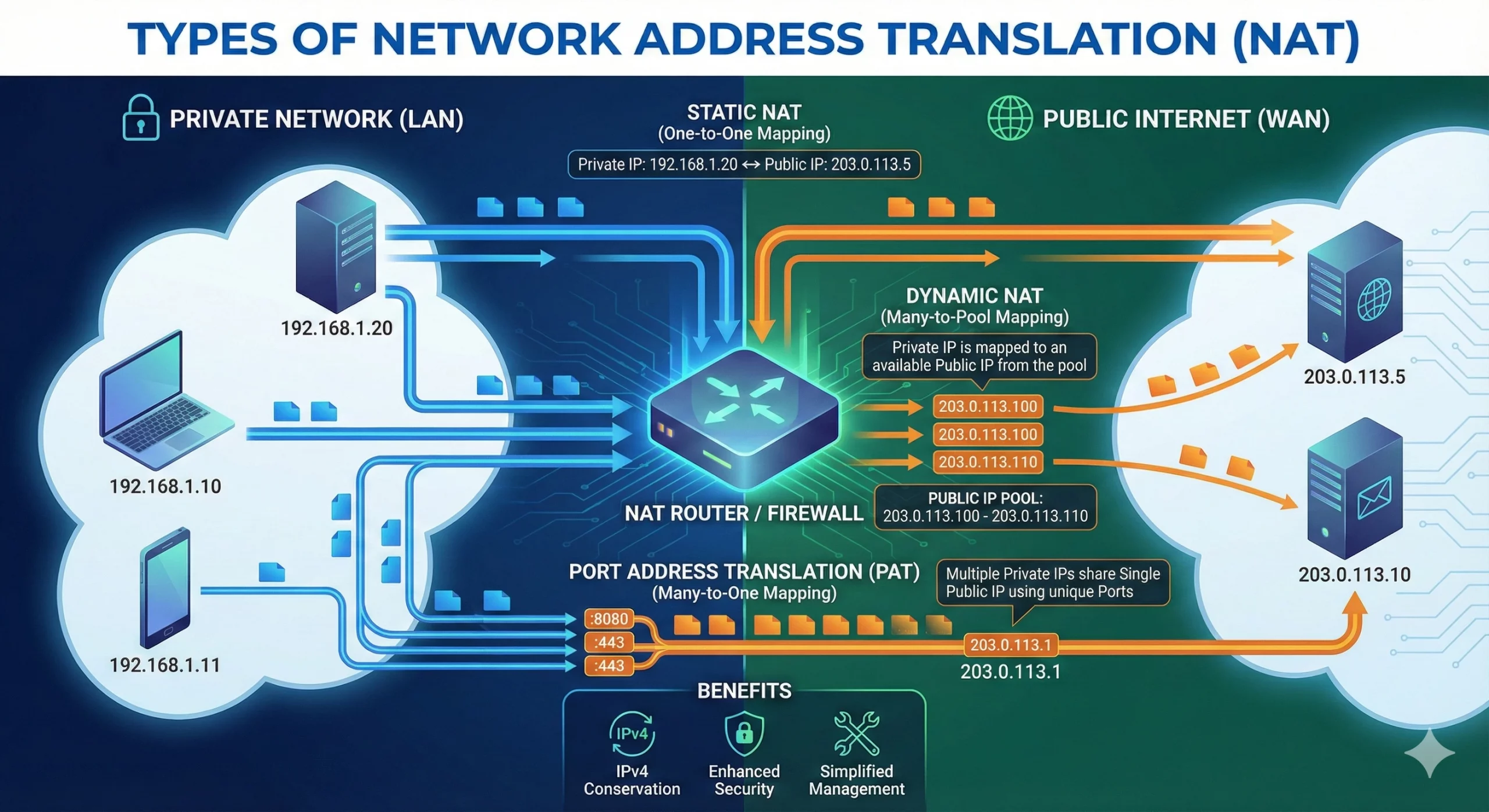
Network Address Translation (NAT) is a technique used in networking to modify the source or destination IP addresses of packets as they traverse a routing device, such as a router or firewall. This process enables multiple devices within a private network to access external networks, like the internet, using a single public IP address, thereby conserving IP address space and enhancing security.​ Types of Network Address Translation: 1. StaticRead more Related Posts The future of IPv4 markets Despite IPv6 expansion, scarcity keeps IPv4 valuable, sustaining a global secondary market where addresses increasingly function as tradable digital assets.Finite Read more Inbound vs. Outbound IPv4 Leasing: A Complete Guide for Enterprises Understanding IPv4 leasing helps enterprises manage scarce address space, reducing risk and unlocking strategic growth opportunities in today’s digital economy. Key Read more How to buy IPv4 addresses through a certified IP broker Buying IPv4 space requires policy compliance, verified need, and registry approval, making certified IP brokers essential guides through complex global Read more .related-post {} .related-post .post-list { text-align: left; } .related-post .post-list .item { margin: 5px; padding: 10px; } .related-post .headline { font-size: 18px !important; color: #999999 !important; } .related-post .post-list .item .post_thumb { max-height: 220px; margin: 10px 0px; padding: 0px; display: block; } .related-post .post-list .item .post_title { font-size: 16px; color: #3f3f3f; margin: 10px 0px; padding: 0px; display: block; text-decoration: none; } .related-post .post-list .item .post_excerpt { font-size: 13px; color: #3f3f3f; margin: 10px 0px; padding: 0px; display: block; text-decoration: none; } @media only screen and (min-width: 1024px) { .related-post .post-list .item { width: 30%; } } @media only screen and (min-width: 768px) and (max-width: 1023px) { .related-post .post-list .item { width: 90%; } } @media only screen and (min-width: 0px) and (max-width: 767px) { .related-post .post-list .item { width: 90%; } }
Leer más →
Blog

The Role of BYOIP in Preventing IP Blocking

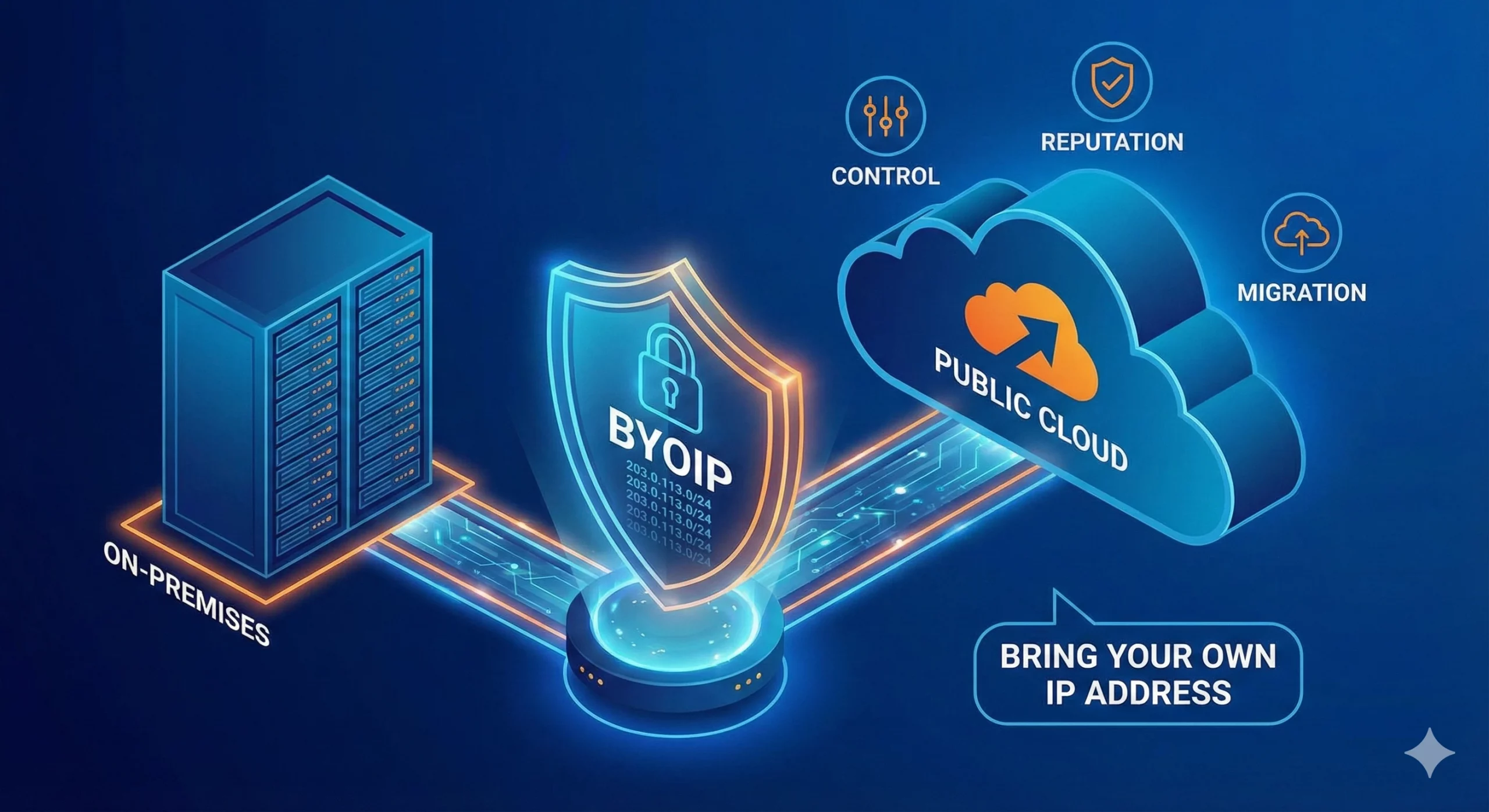
In today’s digital landscape, businesses and organizations rely heavily on seamless connectivity and secure access to online resources. However, IP blocking has become a common challenge, often disrupting operations, limiting access to critical platforms, and even affecting business continuity. One innovative solution to this problem is Bring Your Own IP (BYOIP), a strategy that allows organizations to retain control over their IP addresses and mitigate the risks associated withRead more Related Posts The future of IPv4 markets Despite IPv6 expansion, scarcity keeps IPv4 valuable, sustaining a global secondary market where addresses increasingly function as tradable digital assets.Finite Read more Inbound vs. Outbound IPv4 Leasing: A Complete Guide for Enterprises Understanding IPv4 leasing helps enterprises manage scarce address space, reducing risk and unlocking strategic growth opportunities in today’s digital economy. Key Read more How to buy IPv4 addresses through a certified IP broker Buying IPv4 space requires policy compliance, verified need, and registry approval, making certified IP brokers essential guides through complex global Read more .related-post {} .related-post .post-list { text-align: left; } .related-post .post-list .item { margin: 5px; padding: 10px; } .related-post .headline { font-size: 18px !important; color: #999999 !important; } .related-post .post-list .item .post_thumb { max-height: 220px; margin: 10px 0px; padding: 0px; display: block; } .related-post .post-list .item .post_title { font-size: 16px; color: #3f3f3f; margin: 10px 0px; padding: 0px; display: block; text-decoration: none; } .related-post .post-list .item .post_excerpt { font-size: 13px; color: #3f3f3f; margin: 10px 0px; padding: 0px; display: block; text-decoration: none; } @media only screen and (min-width: 1024px) { .related-post .post-list .item { width: 30%; } } @media only screen and (min-width: 768px) and (max-width: 1023px) { .related-post .post-list .item { width: 90%; } } @media only screen and (min-width: 0px) and (max-width: 767px) { .related-post .post-list .item { width: 90%; } }
Leer más →
What is BYOIP (Bring Your Own IP)?
Blog

What is BYOIP (Bring Your Own IP)?

Bring Your Own IP (BYOIP) is a concept in cloud computing and networking that allows businesses to bring and use their own Internet Protocol (IP) address ranges when migrating to cloud service providers (CSPs) or other networking infrastructures. This approach enables organizations to maintain their existing IP addresses instead of adopting new ones assigned by the provider, ensuring consistency, security, and operational continuity. Why is BYOIP Important? Organizations thatRead more Related Posts The future of IPv4 markets Despite IPv6 expansion, scarcity keeps IPv4 valuable, sustaining a global secondary market where addresses increasingly function as tradable digital assets.Finite Read more Inbound vs. Outbound IPv4 Leasing: A Complete Guide for Enterprises Understanding IPv4 leasing helps enterprises manage scarce address space, reducing risk and unlocking strategic growth opportunities in today’s digital economy. Key Read more Common Myths About Selling IP Addresses The IPv4 secondary market is often shrouded in mystery, leading many organizations to sit on valuable digital assets because they Read more .related-post {} .related-post .post-list { text-align: left; } .related-post .post-list .item { margin: 5px; padding: 10px; } .related-post .headline { font-size: 18px !important; color: #999999 !important; } .related-post .post-list .item .post_thumb { max-height: 220px; margin: 10px 0px; padding: 0px; display: block; } .related-post .post-list .item .post_title { font-size: 16px; color: #3f3f3f; margin: 10px 0px; padding: 0px; display: block; text-decoration: none; } .related-post .post-list .item .post_excerpt { font-size: 13px; color: #3f3f3f; margin: 10px 0px; padding: 0px; display: block; text-decoration: none; } @media only screen and (min-width: 1024px) { .related-post .post-list .item { width: 30%; } } @media only screen and (min-width: 768px) and (max-width: 1023px) { .related-post .post-list .item { width: 90%; } } @media only screen and (min-width: 0px) and (max-width: 767px) { .related-post .post-list .item { width: 90%; } }
Leer más →
Best Practices for Managing Elastic IP Addresses
Blog

Best Practices for Managing Elastic IP Addresses

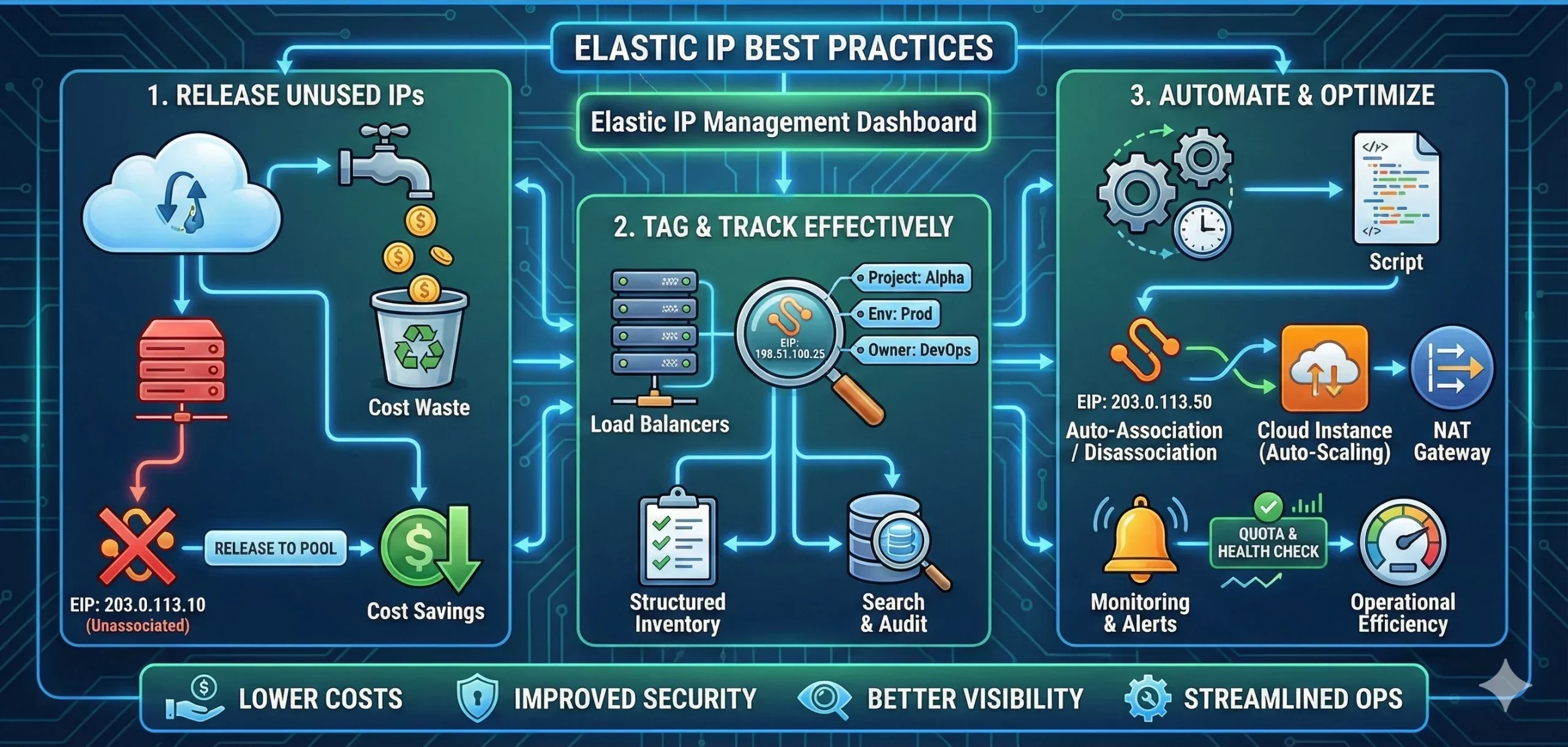
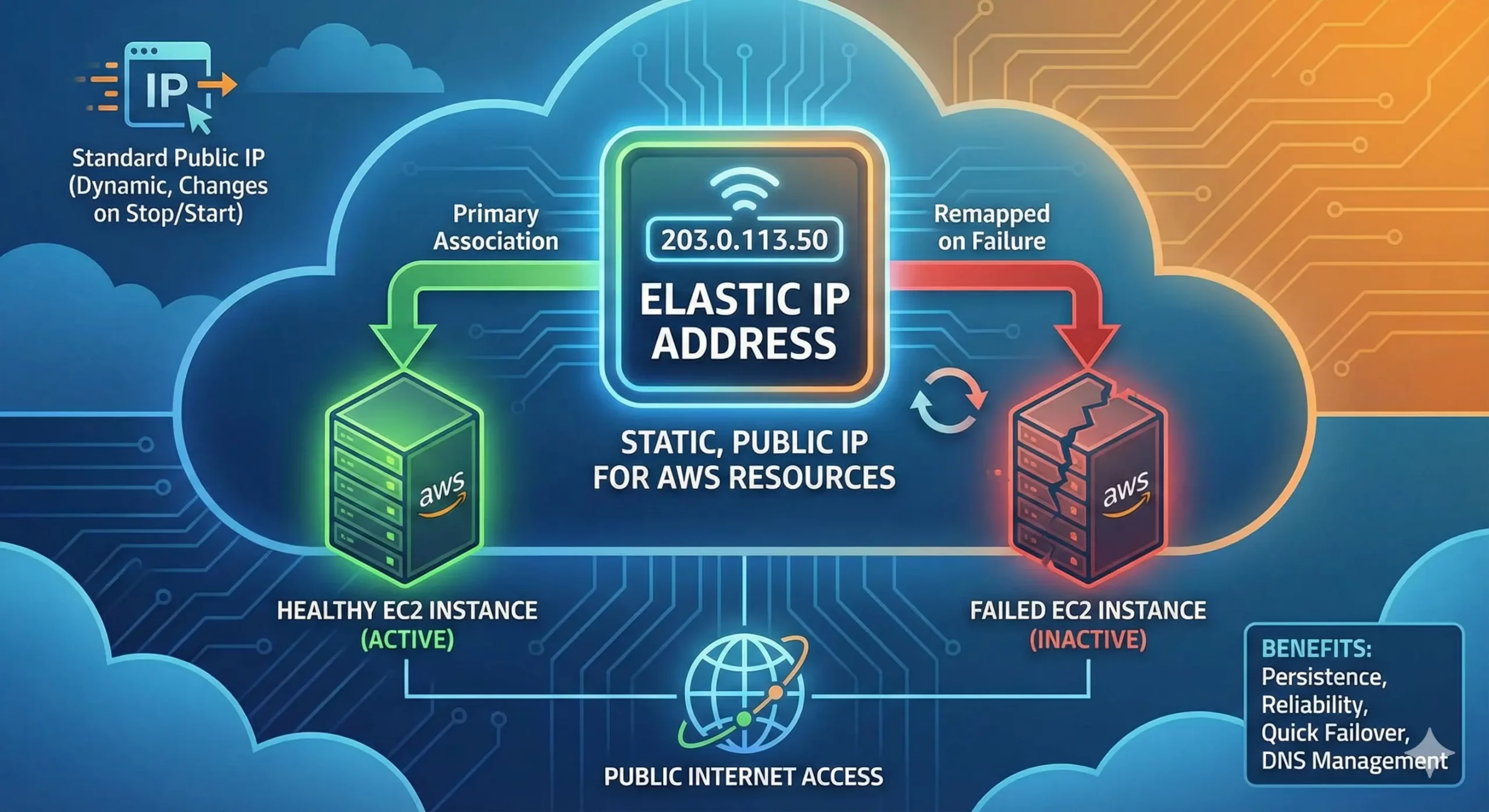
Elastic IP addresses (EIPs) are a crucial component of cloud networking, especially in Amazon Web Services (AWS). They provide a static, public IPv4 address that can be associated with an instance, ensuring reliability even if the instance is stopped and restarted. However, improper management of Elastic IPs can lead to security risks, unnecessary costs, and operational inefficiencies. This blog post outlines the best practices for effectively managing Elastic IPRead more Related Posts The future of IPv4 markets Despite IPv6 expansion, scarcity keeps IPv4 valuable, sustaining a global secondary market where addresses increasingly function as tradable digital assets.Finite Read more Inbound vs. Outbound IPv4 Leasing: A Complete Guide for Enterprises Understanding IPv4 leasing helps enterprises manage scarce address space, reducing risk and unlocking strategic growth opportunities in today’s digital economy. Key Read more Common Myths About Selling IP Addresses The IPv4 secondary market is often shrouded in mystery, leading many organizations to sit on valuable digital assets because they Read more .related-post {} .related-post .post-list { text-align: left; } .related-post .post-list .item { margin: 5px; padding: 10px; } .related-post .headline { font-size: 18px !important; color: #999999 !important; } .related-post .post-list .item .post_thumb { max-height: 220px; margin: 10px 0px; padding: 0px; display: block; } .related-post .post-list .item .post_title { font-size: 16px; color: #3f3f3f; margin: 10px 0px; padding: 0px; display: block; text-decoration: none; } .related-post .post-list .item .post_excerpt { font-size: 13px; color: #3f3f3f; margin: 10px 0px; padding: 0px; display: block; text-decoration: none; } @media only screen and (min-width: 1024px) { .related-post .post-list .item { width: 30%; } } @media only screen and (min-width: 768px) and (max-width: 1023px) { .related-post .post-list .item { width: 90%; } } @media only screen and (min-width: 0px) and (max-width: 767px) { .related-post .post-list .item { width: 90%; } }
Leer más →
未分类

LACNIC:拉丁美洲与加勒比地区的互联网中枢

认识 LACNIC 在全球互联网的运作中,互联网编号资源的管理起着至关重要的作用,而**拉丁美洲与加勒比网络信息中心(LACNIC)正是负责该地区IP地址和自治系统编号(ASN)分配的重要机构。作为全球五大区域互联网注册管理机构(RIRs)之一,LACNIC负责拉丁美洲及加勒比地区的互联网资源调配,确保网络的稳定运行,并推动该地区的数字化发展。 LACNIC成立于2002年,总部位于乌拉圭首都蒙得维的亚,目前管理着33个国家和地区的互联网资源,并拥有超过12,000名会员,包括互联网服务提供商(ISP)、企业、政府机构及学术机构。作为一个非营利性组织,LACNIC不仅仅负责IP地址分配,还通过技术培训、安全服务和政策制定,促进拉丁美洲和加勒比地区互联网的持续发展。 LACNIC的职责与作用 LACNIC的主要职能是管理和分配互联网编号资源,包括IPv4、IPv6地址及自治系统编号(ASN)。它从互联网编号分配机构(IANA)接收这些资源后,再根据区域需求合理分配,确保互联网基础设施的稳定增长。 此外,LACNIC不仅仅是一个分配机构,更是该地区互联网治理和安全的推动者。它定期举办行业会议、技术论坛及培训,帮助本地区的企业和技术人员提升网络管理能力。同时,LACNIC还积极推广IPv6的使用,以确保互联网资源的长期可持续发展。 LACNIC的社区驱动治理模式 LACNIC的管理模式十分独特,它采用社区驱动的民主治理方式。组织由七名董事会成员领导,而这些成员是由LACNIC的会员选举产生的,确保所有决策都符合区域互联网社区的需求。这种开放和透明的管理模式,使得会员能够直接参与互联网政策的制定,共同决定资源管理的方向。 加入LACNIC的会员不仅可以获得IP资源,还能享受一系列重要的增值服务,包括: LACNIC提供的核心服务 作为区域互联网的支柱,LACNIC提供多种技术支持和发展服务,确保互联网的稳定性、安全性和可持续增长。 首先,IP资源管理是LACNIC最核心的服务。它不仅负责IPv4和IPv6地址的分配,还维护IPv4地址的转移市场,帮助企业优化资源利用。此外,LACNIC鼓励各组织逐步向IPv6过渡,以应对IPv4地址的枯竭问题。 其次,注册服务确保互联网资源的透明和安全。LACNIC维护着拉丁美洲和加勒比地区的WHOIS数据库,提供IP地址和ASN的详细信息,支持网络安全管理。同时,LACNIC还提供**RPKI(资源公钥基础设施)**服务,通过加密验证机制,防止IP地址被恶意劫持,提高网络安全性。 在网络安全方面,LACNIC CSIRT(计算机安全事件响应团队)为成员提供安全支持,帮助企业和组织应对网络攻击、数据泄露及其他安全威胁。此外,LACNIC还提供网络安全培训和指南,帮助成员加强自身的安全防护能力。 推动拉美和加勒比地区的互联网未来 LACNIC不仅仅是一个IP地址管理机构,它更是拉丁美洲和加勒比地区互联网发展的驱动力。在全球互联网快速变化的背景下,LACNIC致力于促进区域合作、提升技术能力、推动IPv6发展、加强网络安全,以确保该地区能够持续融入全球数字经济。 随着互联网需求的增长和安全挑战的增加,LACNIC将继续优化资源管理、强化网络安全体系,并推动创新技术的应用,确保拉丁美洲和加勒比地区能够在全球互联网生态中占据重要地位。 Related Posts The future of IPv4 markets Despite IPv6 expansion, scarcity keeps IPv4 valuable, sustaining a global secondary market where addresses increasingly function as tradable digital assets.Finite Read more Inbound vs. Outbound IPv4 Leasing: A Complete Guide for Enterprises Understanding IPv4 leasing helps enterprises manage scarce address space, reducing riskRead more Related Posts The future of IPv4 markets Despite IPv6 expansion, scarcity keeps IPv4 valuable, sustaining a global secondary market where addresses increasingly function as tradable digital assets.Finite Read more Inbound vs. Outbound IPv4 Leasing: A Complete Guide for Enterprises Understanding IPv4 leasing helps enterprises manage scarce address space, reducing risk and unlocking strategic growth opportunities in today’s digital economy. Key Read more Common Myths About Selling IP Addresses The IPv4 secondary market is often shrouded in mystery, leading many organizations to sit on valuable digital assets because they Read more .related-post {} .related-post .post-list { text-align: left; } .related-post .post-list .item { margin: 5px; padding: 10px; } .related-post .headline { font-size: 18px !important; color: #999999 !important; } .related-post .post-list .item .post_thumb { max-height: 220px; margin: 10px 0px; padding: 0px; display: block; } .related-post .post-list .item .post_title { font-size: 16px; color: #3f3f3f; margin: 10px 0px; padding: 0px; display: block; text-decoration: none; } .related-post .post-list .item .post_excerpt { font-size: 13px; color: #3f3f3f; margin: 10px 0px; padding: 0px; display: block; text-decoration: none; } @media only screen and (min-width: 1024px) { .related-post .post-list .item { width: 30%; } } @media only screen and (min-width: 768px) and (max-width: 1023px) { .related-post .post-list .item { width: 90%; } } @media only screen and (min-width: 0px) and (max-width: 767px) { .related-post .post-list .item { width: 90%; } }

Leer más →
LACNIC: All You Need To Know
Blog

LACNIC: All You Need To Know

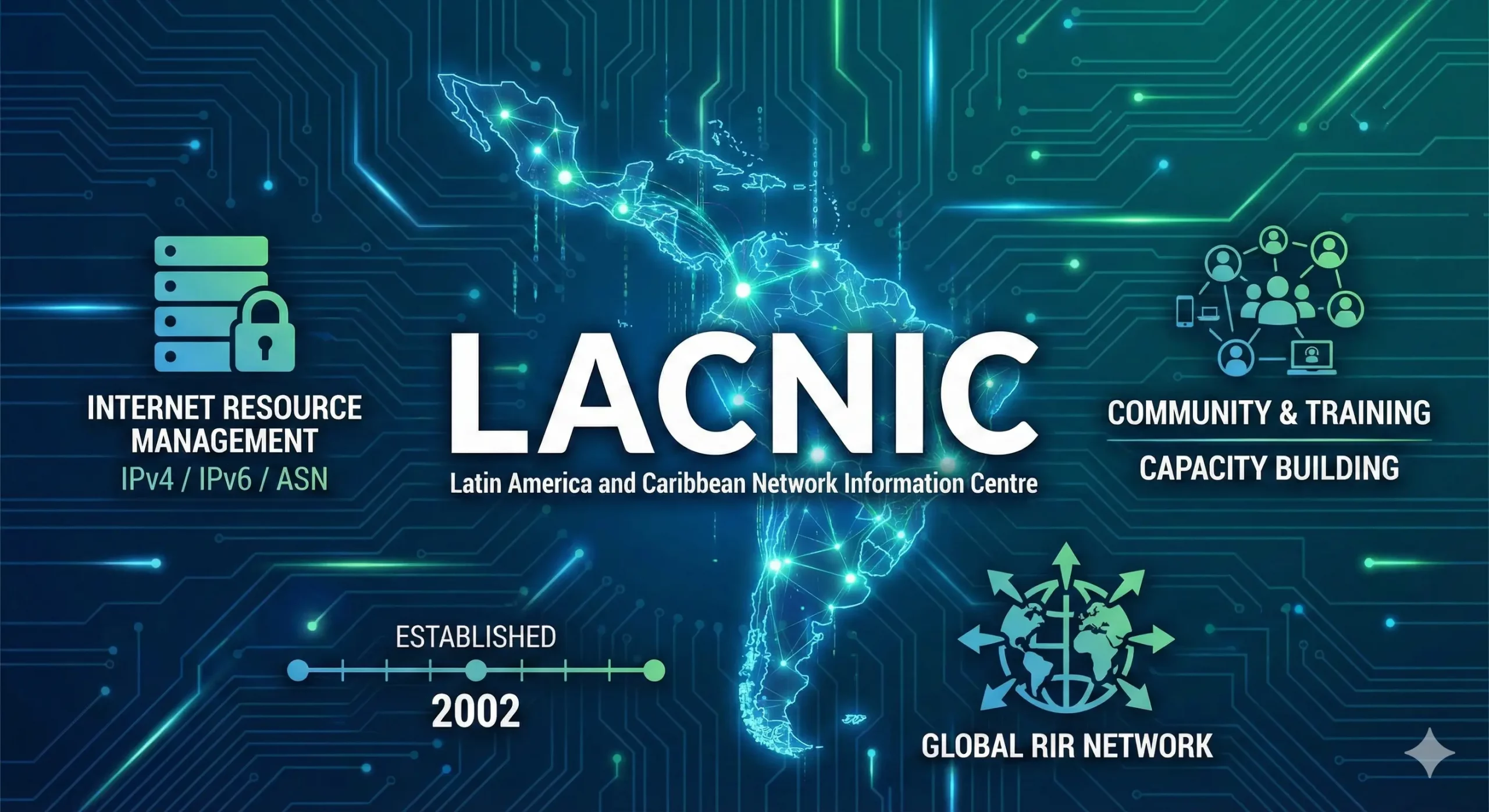
LACNIC: Strengthening Internet Infrastructure in Latin America and the Caribbean The Latin America and Caribbean Network Information Center (LACNIC) plays a vital role in shaping the digital landscape of Latin America and the Caribbean. As the region’s designated Regional Internet Registry (RIR), LACNIC is responsible for managing and distributing Internet number resources, including IPv4, IPv6 addresses, and Autonomous System Numbers (ASNs).   Operating as a non-profit community-led organization, LACNIC ensuresRead more Related Posts The future of IPv4 markets Despite IPv6 expansion, scarcity keeps IPv4 valuable, sustaining a global secondary market where addresses increasingly function as tradable digital assets.Finite Read more Inbound vs. Outbound IPv4 Leasing: A Complete Guide for Enterprises Understanding IPv4 leasing helps enterprises manage scarce address space, reducing risk and unlocking strategic growth opportunities in today’s digital economy. Key Read more Common Myths About Selling IP Addresses The IPv4 secondary market is often shrouded in mystery, leading many organizations to sit on valuable digital assets because they Read more .related-post {} .related-post .post-list { text-align: left; } .related-post .post-list .item { margin: 5px; padding: 10px; } .related-post .headline { font-size: 18px !important; color: #999999 !important; } .related-post .post-list .item .post_thumb { max-height: 220px; margin: 10px 0px; padding: 0px; display: block; } .related-post .post-list .item .post_title { font-size: 16px; color: #3f3f3f; margin: 10px 0px; padding: 0px; display: block; text-decoration: none; } .related-post .post-list .item .post_excerpt { font-size: 13px; color: #3f3f3f; margin: 10px 0px; padding: 0px; display: block; text-decoration: none; } @media only screen and (min-width: 1024px) { .related-post .post-list .item { width: 30%; } } @media only screen and (min-width: 768px) and (max-width: 1023px) { .related-post .post-list .item { width: 90%; } } @media only screen and (min-width: 0px) and (max-width: 767px) { .related-post .post-list .item { width: 90%; } }
Leer más →
The backbone of the Internet: Common Internet Infrastructure
Blog

The backbone of the Internet: Common Internet Infrastructure

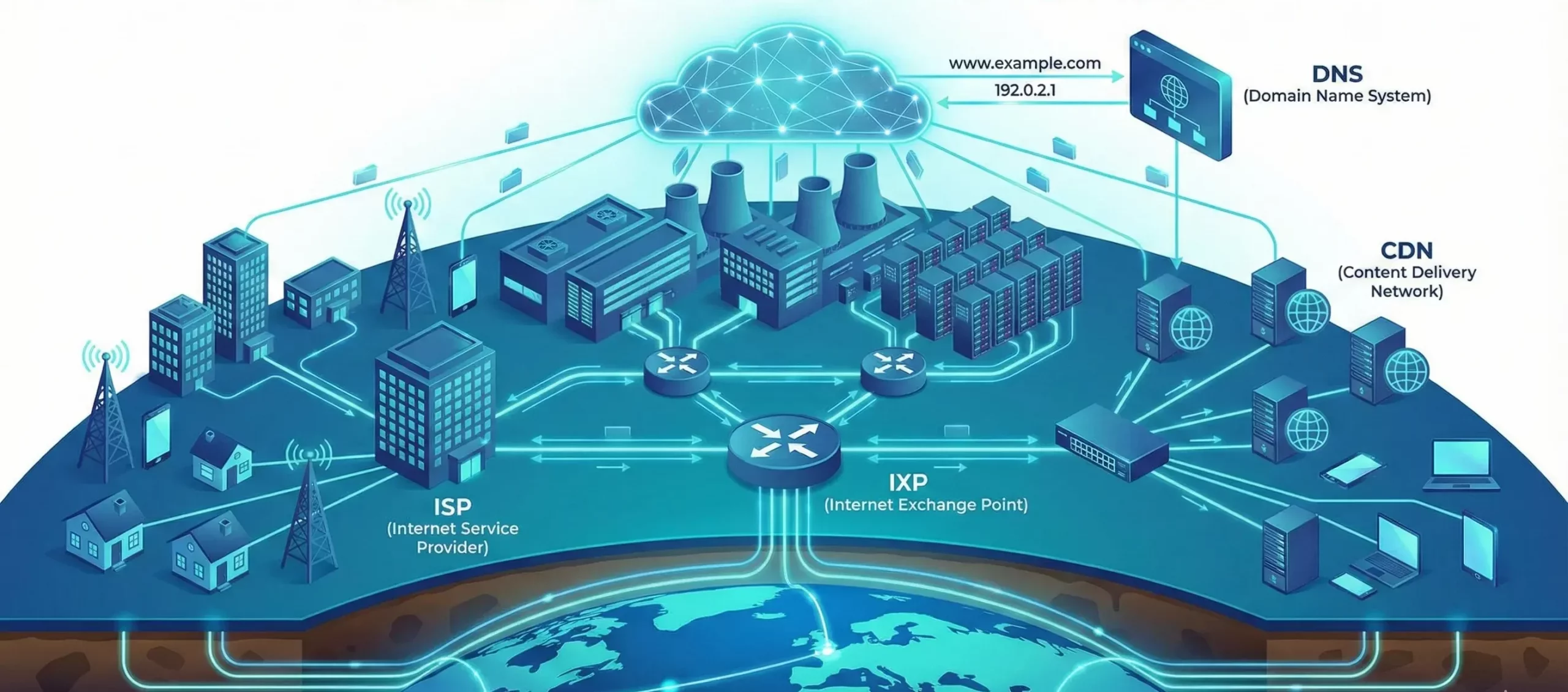
The Internet is essential to modern life, connecting billions of people and devices worldwide. But have you ever wondered what makes it work? The Internet relies on a complex infrastructure of physical and digital components that work together seamlessly. Let’s dive into the key elements that power the global web. Physical Internet Infrastructure: The Internet’s Highway The Internet relies on physical hardware to transmit data across the globe. TheseRead more Related Posts The future of IPv4 markets Despite IPv6 expansion, scarcity keeps IPv4 valuable, sustaining a global secondary market where addresses increasingly function as tradable digital assets.Finite Read more Inbound vs. Outbound IPv4 Leasing: A Complete Guide for Enterprises Understanding IPv4 leasing helps enterprises manage scarce address space, reducing risk and unlocking strategic growth opportunities in today’s digital economy. Key Read more Common Myths About Selling IP Addresses The IPv4 secondary market is often shrouded in mystery, leading many organizations to sit on valuable digital assets because they Read more .related-post {} .related-post .post-list { text-align: left; } .related-post .post-list .item { margin: 5px; padding: 10px; } .related-post .headline { font-size: 18px !important; color: #999999 !important; } .related-post .post-list .item .post_thumb { max-height: 220px; margin: 10px 0px; padding: 0px; display: block; } .related-post .post-list .item .post_title { font-size: 16px; color: #3f3f3f; margin: 10px 0px; padding: 0px; display: block; text-decoration: none; } .related-post .post-list .item .post_excerpt { font-size: 13px; color: #3f3f3f; margin: 10px 0px; padding: 0px; display: block; text-decoration: none; } @media only screen and (min-width: 1024px) { .related-post .post-list .item { width: 30%; } } @media only screen and (min-width: 768px) and (max-width: 1023px) { .related-post .post-list .item { width: 90%; } } @media only screen and (min-width: 0px) and (max-width: 767px) { .related-post .post-list .item { width: 90%; } }

Leer más →
博客

关于 弹性IP地址 Elastic IP address: AWS 用户指南

在云计算中,保持 稳定的 IP 地址 对于 网站托管、应用程序和网络管理 至关重要。这就是 Elastic IP 地址(弹性 IP) 发挥作用的地方。如果你使用 亚马逊云 AWS,了解 Elastic IP 的工作原理,可以帮助你 提高可靠性、防止宕机,并优化云端成本。本文将详细介绍 Elastic IP 的定义、工作方式、优势及最佳实践。 什么是弹性 IP 地址? Elastic IP 地址 是 AWS 提供的静态公网 IPv4 地址,可分配给 Amazon EC2(Elastic Compute Cloud)实例。与普通公网 IP 不同,Elastic IP 在实例重启后不会更改,确保服务稳定运行。 弹性 IP 的工作原理 Elastic IP 地址来自 AWS 的 IP 地址池,并可随时分配给 EC2 实例。如果实例发生故障,你可以 快速将 Elastic IP 重新绑定到另一台实例,从而减少宕机时间,保持业务连续性。 ? Elastic IP 主要特点: ✔ 静态 IP 地址 – 不会随实例重启而改变。✔ 可自由分配 – 可在同一区域内的不同实例间切换。✔Read more Related Posts The future of IPv4 markets Despite IPv6 expansion, scarcity keeps IPv4 valuable, sustaining a global secondary market where addresses increasingly function as tradable digital assets.Finite Read more Inbound vs. Outbound IPv4 Leasing: A Complete Guide for Enterprises Understanding IPv4 leasing helps enterprises manage scarce address space, reducing risk and unlocking strategic growth opportunities in today’s digital economy. Key Read more Common Myths About Selling IP Addresses The IPv4 secondary market is often shrouded in mystery, leading many organizations to sit on valuable digital assets because they Read more .related-post {} .related-post .post-list { text-align: left; } .related-post .post-list .item { margin: 5px; padding: 10px; } .related-post .headline { font-size: 18px !important; color: #999999 !important; } .related-post .post-list .item .post_thumb { max-height: 220px; margin: 10px 0px; padding: 0px; display: block; } .related-post .post-list .item .post_title { font-size: 16px; color: #3f3f3f; margin: 10px 0px; padding: 0px; display: block; text-decoration: none; } .related-post .post-list .item .post_excerpt { font-size: 13px; color: #3f3f3f; margin: 10px 0px; padding: 0px; display: block; text-decoration: none; } @media only screen and (min-width: 1024px) { .related-post .post-list .item { width: 30%; } } @media only screen and (min-width: 768px) and (max-width: 1023px) { .related-post .post-list .item { width: 90%; } } @media only screen and (min-width: 0px) and (max-width: 767px) { .related-post .post-list .item { width: 90%; } }

Leer más →
What is an Elastic IP address? Complete Guide for AWS Users
Blog

What is an Elastic IP address? Complete Guide for AWS Users

Maintaining a stable IP address in cloud computing is crucial for web hosting, applications, and networking. This is where Elastic IP addresses (EIPs) come into play. If you’re using Amazon Web Services (AWS), understanding how Elastic IPs work can help you improve reliability, prevent downtime, and optimize cloud costs. In this guide, we’ll break down what Elastic IPs are, how they work, their benefits, and best practices. What is an Elastic IPRead more Related Posts The future of IPv4 markets Despite IPv6 expansion, scarcity keeps IPv4 valuable, sustaining a global secondary market where addresses increasingly function as tradable digital assets.Finite Read more Inbound vs. Outbound IPv4 Leasing: A Complete Guide for Enterprises Understanding IPv4 leasing helps enterprises manage scarce address space, reducing risk and unlocking strategic growth opportunities in today’s digital economy. Key Read more Common Myths About Selling IP Addresses The IPv4 secondary market is often shrouded in mystery, leading many organizations to sit on valuable digital assets because they Read more .related-post {} .related-post .post-list { text-align: left; } .related-post .post-list .item { margin: 5px; padding: 10px; } .related-post .headline { font-size: 18px !important; color: #999999 !important; } .related-post .post-list .item .post_thumb { max-height: 220px; margin: 10px 0px; padding: 0px; display: block; } .related-post .post-list .item .post_title { font-size: 16px; color: #3f3f3f; margin: 10px 0px; padding: 0px; display: block; text-decoration: none; } .related-post .post-list .item .post_excerpt { font-size: 13px; color: #3f3f3f; margin: 10px 0px; padding: 0px; display: block; text-decoration: none; } @media only screen and (min-width: 1024px) { .related-post .post-list .item { width: 30%; } } @media only screen and (min-width: 768px) and (max-width: 1023px) { .related-post .post-list .item { width: 90%; } } @media only screen and (min-width: 0px) and (max-width: 767px) { .related-post .post-list .item { width: 90%; } }

Leer más →
How Law Enforcement Tracks Hackers and Telco Scammers: Tools & Techniques
Blog

How Law Enforcement Tracks Hackers and Telco Scammers: Tools & Techniques

Cybercrime is on the rise, with hackers and telco scammers using sophisticated methods to hide their identities. Law enforcement agencies rely on advanced IP tracking tools, forensic analysis, and cyber intelligence to trace and catch these criminals. In this article, we’ll explore the top tools and techniques used by authorities worldwide to track down cybercriminals. IP Tracking & Geolocation Tools To pinpoint the location of a hacker, authorities useRead more Related Posts The future of IPv4 markets Despite IPv6 expansion, scarcity keeps IPv4 valuable, sustaining a global secondary market where addresses increasingly function as tradable digital assets.Finite Read more Inbound vs. Outbound IPv4 Leasing: A Complete Guide for Enterprises Understanding IPv4 leasing helps enterprises manage scarce address space, reducing risk and unlocking strategic growth opportunities in today’s digital economy. Key Read more Common Myths About Selling IP Addresses The IPv4 secondary market is often shrouded in mystery, leading many organizations to sit on valuable digital assets because they Read more .related-post {} .related-post .post-list { text-align: left; } .related-post .post-list .item { margin: 5px; padding: 10px; } .related-post .headline { font-size: 18px !important; color: #999999 !important; } .related-post .post-list .item .post_thumb { max-height: 220px; margin: 10px 0px; padding: 0px; display: block; } .related-post .post-list .item .post_title { font-size: 16px; color: #3f3f3f; margin: 10px 0px; padding: 0px; display: block; text-decoration: none; } .related-post .post-list .item .post_excerpt { font-size: 13px; color: #3f3f3f; margin: 10px 0px; padding: 0px; display: block; text-decoration: none; } @media only screen and (min-width: 1024px) { .related-post .post-list .item { width: 30%; } } @media only screen and (min-width: 768px) and (max-width: 1023px) { .related-post .post-list .item { width: 90%; } } @media only screen and (min-width: 0px) and (max-width: 767px) { .related-post .post-list .item { width: 90%; } }

Leer más →
History of IP Addresses: From the Dawn of the Internet to IPv6
Blog

History of IP Addresses: From the Dawn of the Internet to IPv6

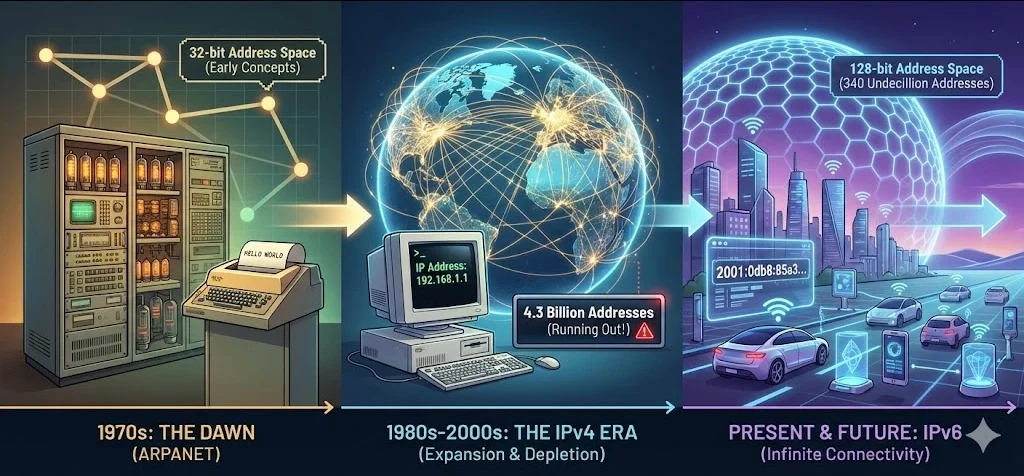
The Internet Protocol (IP) is the backbone of the modern Internet, enabling devices to communicate across vast networks. But have you ever wondered how IP addresses evolved? Let’s explore the history of IP addresses, from their inception to the widely used IPv4 and IPv6, and clarify what happened to the mysterious IPv1, IPv2, and IPv3. What are IP Addresses? An IP address is a unique identifier assigned to devicesRead more Related Posts The future of IPv4 markets Despite IPv6 expansion, scarcity keeps IPv4 valuable, sustaining a global secondary market where addresses increasingly function as tradable digital assets.Finite Read more Inbound vs. Outbound IPv4 Leasing: A Complete Guide for Enterprises Understanding IPv4 leasing helps enterprises manage scarce address space, reducing risk and unlocking strategic growth opportunities in today’s digital economy. Key Read more Common Myths About Selling IP Addresses The IPv4 secondary market is often shrouded in mystery, leading many organizations to sit on valuable digital assets because they Read more .related-post {} .related-post .post-list { text-align: left; } .related-post .post-list .item { margin: 5px; padding: 10px; } .related-post .headline { font-size: 18px !important; color: #999999 !important; } .related-post .post-list .item .post_thumb { max-height: 220px; margin: 10px 0px; padding: 0px; display: block; } .related-post .post-list .item .post_title { font-size: 16px; color: #3f3f3f; margin: 10px 0px; padding: 0px; display: block; text-decoration: none; } .related-post .post-list .item .post_excerpt { font-size: 13px; color: #3f3f3f; margin: 10px 0px; padding: 0px; display: block; text-decoration: none; } @media only screen and (min-width: 1024px) { .related-post .post-list .item { width: 30%; } } @media only screen and (min-width: 768px) and (max-width: 1023px) { .related-post .post-list .item { width: 90%; } } @media only screen and (min-width: 0px) and (max-width: 767px) { .related-post .post-list .item { width: 90%; } }

Leer más →
博客

为什么没有 IPv5?互联网协议背后的故事

在讨论互联网协议时,大多数人都熟悉 IPv4 和 IPv6。但你可能会问 IPv5 发生了什么?为什么互联网似乎从 IPv4 跳到了 IPv6?让我们深入了解一下这个 “失踪 ”协议背后的精彩历史。 IPv5 是什么? IPv5 正式名称为互联网流协议(ST),是 20 世纪 70 年代末和 80 年代开发的一种实验性协议。它旨在支持通过 IP 网络传输语音和视频等实时多媒体数据流。与在无连接基础上运行的 IPv4 不同,IPv5 旨在创建一个面向连接的通信系统,以提高多媒体性能。 为什么 IPv5 没有成为下一个主要互联网协议? 尽管 IPv5 具有创新性,但从未被广泛采用。原因就在这里: 1) IP 地址空间限制 IPv5 使用与 IPv4 相同的 32 位地址空间。随着互联网的快速发展,IPv4 地址耗尽成为一个关键问题,这使得 IPv5 的寻址系统同样无法满足未来的需求。 2) 技术转型 随着对可扩展性更强的解决方案的需求不断增长,开发人员将重点放在创建 IPv6 上,IPv6 引入了 128 位寻址,解决了地址短缺的问题,并增加了内置安全性和简化网络管理等增强功能。 3) 试验状况 IPv5 从未打算长期取代 IPv4。它被分配的协议编号为 5,用于试验性使用,协议栈中的这一保留意味着它以后不能被重新命名为未来版本的 IP。 为什么 IPv6 取代了 IPv4(而非 IPv5) IPv6 被设计为 IPv4 的全面升级版,解决了地址短缺等局限性问题,提高了互联网通信的效率。它已成为满足现代网络需求的标准协议,而 IPv5Read more Related Posts The future of IPv4 markets Despite IPv6 expansion, scarcity keeps IPv4 valuable, sustaining a global secondary market where addresses increasingly function as tradable digital assets.Finite Read more Inbound vs. Outbound IPv4 Leasing: A Complete Guide for Enterprises Understanding IPv4 leasing helps enterprises manage scarce address space, reducing risk and unlocking strategic growth opportunities in today’s digital economy. Key Read more How to buy IPv4 addresses through a certified IP broker Buying IPv4 space requires policy compliance, verified need, and registry approval, making certified IP brokers essential guides through complex global Read more .related-post {} .related-post .post-list { text-align: left; } .related-post .post-list .item { margin: 5px; padding: 10px; } .related-post .headline { font-size: 18px !important; color: #999999 !important; } .related-post .post-list .item .post_thumb { max-height: 220px; margin: 10px 0px; padding: 0px; display: block; } .related-post .post-list .item .post_title { font-size: 16px; color: #3f3f3f; margin: 10px 0px; padding: 0px; display: block; text-decoration: none; } .related-post .post-list .item .post_excerpt { font-size: 13px; color: #3f3f3f; margin: 10px 0px; padding: 0px; display: block; text-decoration: none; } @media only screen and (min-width: 1024px) { .related-post .post-list .item { width: 30%; } } @media only screen and (min-width: 768px) and (max-width: 1023px) { .related-post .post-list .item { width: 90%; } } @media only screen and (min-width: 0px) and (max-width: 767px) { .related-post .post-list .item { width: 90%; } }

Leer más →