التخفيف من مخاطر عناوين IP العامة (الجزء 2)
 Chan
Chanبينما تكون المخاطر المرتبطة بعناوين IP العامة كبيرة، يمكن اتخاذ عدة تدابير للتخفيف من هذه المخاطر. إليكم دليلًا مفصلًا حول كيفية حماية شبكتك من المخاطر المحتملة لاستخدام عناوين IP العامة.
Table of Contents
استخدام الجدران النارية
يعد تنفيذ جدار حماية قوي أحد خطوط الدفاع الأولى ضد الوصول غير المصرح به والهجمات الإلكترونية. تعمل جدران الحماية كحاجز بين شبكتك الداخلية والإنترنت، حيث تقوم بتصفية حركة المرور وحظر الاتصالات التي قد تكون ضارة. من خلال مراقبة حركة المرور الواردة والصادرة استناداً إلى قواعد أمنية محددة مسبقاً، تساعد جدران الحماية على ضمان السماح فقط بحركة المرور المشروعة.
يمكن أن تكون جدران الحماية قائمة على الأجهزة أو البرامج أو مزيج من الاثنين معاً. بالنسبة لمعظم المستخدمين، فإن الجمع بين جدار حماية الأجهزة الذي يوفره جهاز التوجيه الخاص بهم وجدار حماية البرمجيات على أجهزة الكمبيوتر أو الخادم الخاص بهم يوفر حلاً أمنياً شاملاً.
تمكين ترجمة عنوان الشبكة (NAT)
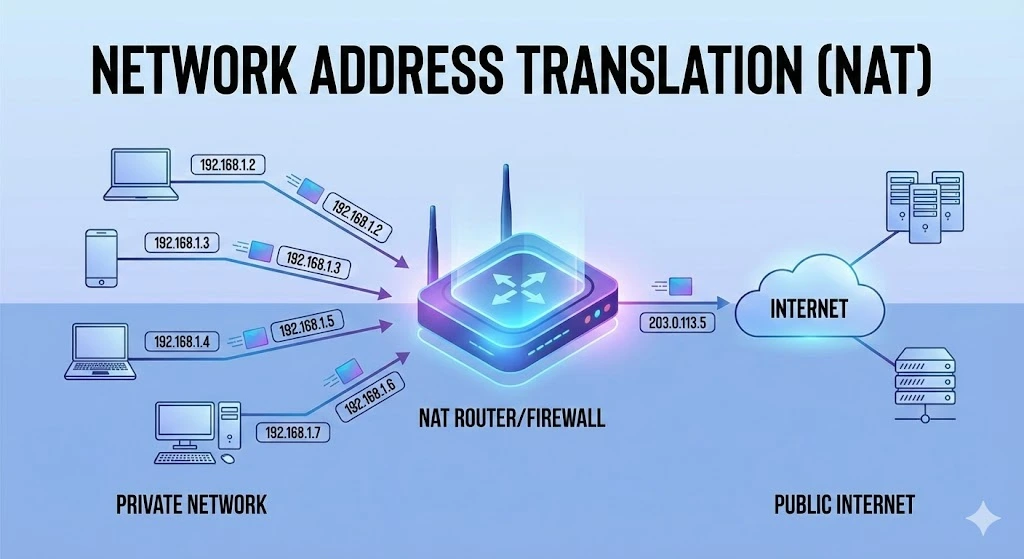
تعد ترجمة عناوين الشبكة (NAT) ميزة أساسية لتعزيز الأمان عند استخدام عناوين IP العامة. يسمح NAT لأجهزة متعددة على شبكة محلية بمشاركة عنوان IP عام واحد. تضيف هذه العملية طبقة من الأمان من خلال إخفاء عناوين IP الداخلية عن العرض الخارجي، مما يزيد من صعوبة استهداف المهاجمين لأجهزة معينة داخل شبكتك.
يعمل NAT من خلال ترجمة عناوين IP الخاصة للأجهزة داخل الشبكة إلى عنوان IP عام واحد عند الاتصال بالشبكات الخارجية. تساعد عملية الترجمة هذه على إبقاء تفاصيل الشبكة الداخلية مخفية عن المهاجمين المحتملين.
تحديثات البرامج المنتظمة
يعد تحديث جميع البرامج، بما في ذلك أنظمة التشغيل والتطبيقات، أمراً بالغ الأهمية للحفاظ على أمن الشبكة. وغالباً ما تتضمن تحديثات البرامج تصحيحات للثغرات الأمنية التي قد يستغلها المخترقون. يقلل تحديث البرامج بانتظام من خطر استخدام هذه الثغرات الأمنية للوصول غير المصرح به إلى شبكتك.
يمكن أن تساعد أنظمة التحديث الآلي في ضمان بقاء برامجك محدثة. بالنسبة للأنظمة والتطبيقات المهمة لتطبيق التحديثات بمجرد توفرها.
تنفيذ كلمات مرور ومصادقة قوية
يمكن أن يقلل استخدام كلمات مرور قوية ومصادقة متعددة العوامل (MFA) بشكل كبير من مخاطر الوصول غير المصرح به. يجب أن تكون كلمات المرور القوية معقدة، وتحتوي على مزيج من الأحرف والأرقام والأحرف الخاصة. تجنب استخدام معلومات يسهل تخمينها مثل أعياد الميلاد أو الكلمات الشائعة.
تضيف المصادقة متعددة العوامل طبقة إضافية من الأمان من خلال طلب خطوات تحقق إضافية تتجاوز مجرد كلمة المرور. يمكن أن يشمل ذلك مسح بصمة الإصبع، أو رمز لمرة واحدة يتم إرساله إلى جهاز محمول، أو طرق تحقق أخرى. يؤدي تمكين المصادقة متعددة العوامل حيثما أمكن إلى تعزيز الأمان من خلال زيادة صعوبة وصول المهاجمين إلى الحسابات والأجهزة.
Artículos relacionados
Comprensión de la traducción de direcciones de red (NAT)
En las redes informáticas, gestionar las direcciones IP de forma eficiente es fundamental para garantizar una comunicación fluida entre los dispositivos. Una de las tecnologías clave que ha surgido para afrontar este desafío es la Traducción de Direcciones de Red (NAT, por sus siglas en inglés). En este artículo explicamos qué es NAT, cómo funciona, sus distintos tipos, así como sus ventajas y limitaciones. ¿Qué es la traducción deRead more Related Posts Desbloqueando la privacidad digital con una red privada virtual (VPN) ¿Qué es una VPN? Una red privada virtual (VPN) es una tecnología que permite a los usuarios crear una conexión Comprensión de la traducción de direcciones de red (NAT) En las redes informáticas, gestionar las direcciones IP de forma eficiente es fundamental para garantizar una comunicación fluida entre los ¿Por qué Malasia se está convirtiendo en un centro neurálgico para la infraestructura de nube e IA? Malasia se está convirtiendo en uno de los mercados de crecimiento de centros de datos más importantes del Sudeste Asiático. .related-post {} .related-post .post-list { text-align: left; } .related-post .post-list .item { margin: 5px; padding: 10px; } .related-post .headline { font-size: 18px !important; color: #999999 !important; } .related-post .post-list .item .post_thumb { max-height: 220px; margin: 10px 0px; padding: 0px; display: block; } .related-post .post-list .item .post_title { font-size: 16px; color: #3f3f3f; margin: 10px 0px; padding: 0px; display: block; text-decoration: none; } .related-post .post-list .item .post_excerpt { font-size: 13px; color: #3f3f3f; margin: 10px 0px; padding: 0px; display: block; text-decoration: none; } @media only screen and (min-width: 1024px) { .related-post .post-list .item { width: 30%; } } @media only screen and (min-width: 768px) and (max-width: 1023px) { .related-post .post-list .item { width: 90%; } } @media only screen and (min-width: 0px) and (max-width: 767px) { .related-post .post-list .item { width: 90%; } }
Arrendamiento de direcciones IP: Cómo arrendar direcciones IP
El mundo digital en el que nos movemos hoy depende en gran medida de las direcciones IP, identificadores únicos asignados a los dispositivos conectados a internet o a una red local. A medida que la demanda de direcciones IP sigue aumentando, empresas y particulares exploran diversas opciones para obtener los recursos necesarios. Un método cada vez más popular es el arrendamiento de direcciones IP. Este artículo profundiza en elRead more Related Posts Desbloqueando la privacidad digital con una red privada virtual (VPN) ¿Qué es una VPN? Una red privada virtual (VPN) es una tecnología que permite a los usuarios crear una conexión Comprensión de la traducción de direcciones de red (NAT) En las redes informáticas, gestionar las direcciones IP de forma eficiente es fundamental para garantizar una comunicación fluida entre los ¿Por qué Malasia se está convirtiendo en un centro neurálgico para la infraestructura de nube e IA? Malasia se está convirtiendo en uno de los mercados de crecimiento de centros de datos más importantes del Sudeste Asiático. .related-post {} .related-post .post-list { text-align: left; } .related-post .post-list .item { margin: 5px; padding: 10px; } .related-post .headline { font-size: 18px !important; color: #999999 !important; } .related-post .post-list .item .post_thumb { max-height: 220px; margin: 10px 0px; padding: 0px; display: block; } .related-post .post-list .item .post_title { font-size: 16px; color: #3f3f3f; margin: 10px 0px; padding: 0px; display: block; text-decoration: none; } .related-post .post-list .item .post_excerpt { font-size: 13px; color: #3f3f3f; margin: 10px 0px; padding: 0px; display: block; text-decoration: none; } @media only screen and (min-width: 1024px) { .related-post .post-list .item { width: 30%; } } @media only screen and (min-width: 768px) and (max-width: 1023px) { .related-post .post-list .item { width: 90%; } } @media only screen and (min-width: 0px) and (max-width: 767px) { .related-post .post-list .item { width: 90%; } }
¿Qué es el agotamiento de direcciones IPv4?
IPv4 es la versión inicial del Protocolo de Internet (IP), capaz de generar 4.300 millones de posibles direcciones IPv4. Sin embargo, muchas de estas direcciones están reservadas para fines específicos, como investigación y desarrollo. Esto deja un conjunto limitado disponible para organizaciones e individuos en todo el mundo. Con el crecimiento exponencial de Internet, la demanda de direcciones IPv4 se ha disparado. Esto provocó una rápida disminución de lasRead more Related Posts Desbloqueando la privacidad digital con una red privada virtual (VPN) ¿Qué es una VPN? Una red privada virtual (VPN) es una tecnología que permite a los usuarios crear una conexión Comprensión de la traducción de direcciones de red (NAT) En las redes informáticas, gestionar las direcciones IP de forma eficiente es fundamental para garantizar una comunicación fluida entre los Arrendamiento de direcciones IP: Cómo arrendar direcciones IP El mundo digital en el que nos movemos hoy depende en gran medida de las direcciones IP, identificadores únicos asignados .related-post {} .related-post .post-list { text-align: left; } .related-post .post-list .item { margin: 5px; padding: 10px; } .related-post .headline { font-size: 18px !important; color: #999999 !important; } .related-post .post-list .item .post_thumb { max-height: 220px; margin: 10px 0px; padding: 0px; display: block; } .related-post .post-list .item .post_title { font-size: 16px; color: #3f3f3f; margin: 10px 0px; padding: 0px; display: block; text-decoration: none; } .related-post .post-list .item .post_excerpt { font-size: 13px; color: #3f3f3f; margin: 10px 0px; padding: 0px; display: block; text-decoration: none; } @media only screen and (min-width: 1024px) { .related-post .post-list .item { width: 30%; } } @media only screen and (min-width: 768px) and (max-width: 1023px) { .related-post .post-list .item { width: 90%; } } @media only screen and (min-width: 0px) and (max-width: 767px) { .related-post .post-list .item { width: 90%; } }
