Queries: How does the government track down people using their IP addresses? Why is it difficult for them to catch scammers and hackers? IP addresses serve as unique identifiers for internet users, enabling connectivity and interaction. Governments and law enforcement agencies utilize these digital signatures to track down individuals involved in illegal online activities. However, capturing scammers and hackers isn’t as straightforward as it might seem. DespiteRead more
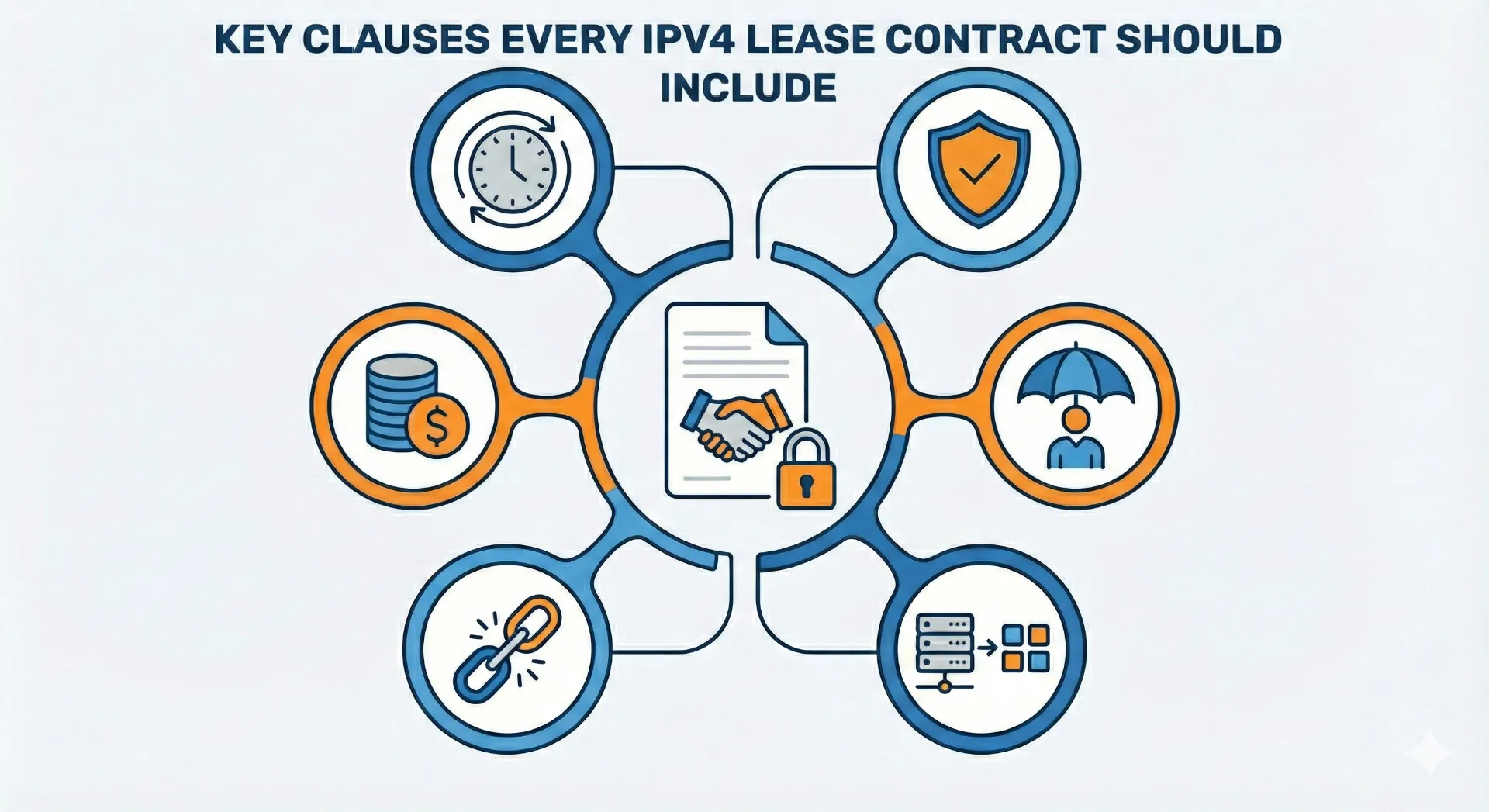
As IPv4 scarcity deepens, carefully drafted lease contracts have become essential tools for managing risk, compliance and long-term network stability.Well-defined Read more

Key points:IPv4 transfer delays are primarily driven by registry policy complexity and incomplete or inconsistent documentation.Early preparation, pre-approval and professional Read more
Standfirst APNIC IPv4 transfers can stall on documentation, timing, and registry hygiene. Preparation, pre-approval, and clean records materially accelerate outcomes. Read more