Understanding IP Addresses in 2024
What are IP addresses?
IP stands for Internet Protocol. A set of regulations dictating the structure of data transmission over the Internet or a local network is essentially known as a protocol. IP addresses serve as unique identifiers, facilitating the exchange of information among devices on a network by incorporating location details and enabling devices to be accessible for communication.
Table of Contents
The Basics of IP addresses
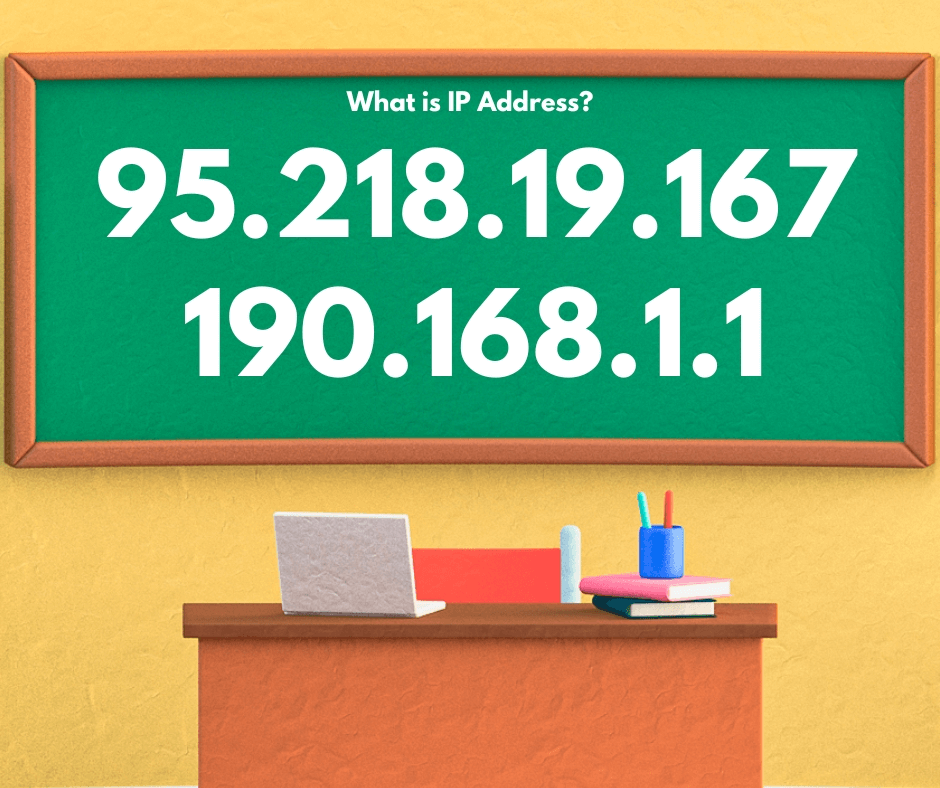
In layman’s terms, an IP address is like a digital home address for your device on the internet. It allows devices to communicate with each other across the vast web. Just like your home address, an IP address is unique, ensuring that data reaches its intended destination accurately. Now let’s take a look at the history of IP addresses.
Evolution of IP addresses
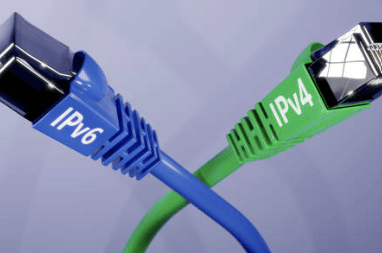
Back in the early days, most devices used IPv4 addresses, a system that is now running out of available addresses. To address this scarcity, IPv6 has emerged, providing a vast pool of unique addresses to accommodate the growing number of connected devices. I.lease recognizes the challenges associated with IPv4 depletion and offers innovative solutions to navigate this transition seamlessly.
Unique IPv4 address Solution
In the face of IPv4 exhaustion, I.lease stands out as a pioneer in providing IP leasing services. This unique solution allows businesses to overcome the challenges associated with buying addresses in the market. With a straightforward process, transparent costs, and professional support, I.lease simplifies the acquisition of IP addresses, making it a breeze for companies to meet their business and product development needs.
IP leasing process
The IP leasing process is designed with simplicity. Just imagine it as renting a house. You pick the address you need, and it’s assigned to you from the IP pool. This straightforward process eliminates the complexities associated with purchasing addresses on the market. No need to worry about geographical restrictions or usage limitations; I.Lease’s service is flexible and allows you to update settings and change locations at any time.
Clear costs and low expenses
One of the challenges businesses face in obtaining IP addresses is the unclear costs and the financial burden associated with the process. I.lease addresses this concern by providing a transparent cost structure that is easy to understand and bear. This ensures that businesses can plan their budgets effectively without any hidden surprises.
Tracking and technical support
While, I.lease goes beyond just providing IP addresses; it offers a full-service experience. Their team of IP experts provides continuous tracking and technical support. This means you can focus on your business while I.lease takes care of the technical aspects, ensuring a worry-free experience.
Flexibility for business needs
Additionally, the flexibility offered by I.lease’s IP leasing service is a game-changer for businesses. In a dynamic environment where adaptation is key, having the ability to quickly adjust your IP settings and change locations is invaluable. I.lease empowers businesses to meet their evolving needs efficiently and effectively.
Role of IP Addresses in SEO
In terms of search engine optimization, or SEO, search engines use IP addresses to identify the origin of web content, affecting search rankings. Having a unique and reliable IP address is, therefore, essential for optimizing online visibility. I.lease’s IP leasing service ensures that businesses have access to top-notch, SEO-friendly addresses to enhance their online presence.

In a nutshell, let’s take a quick look:
An IP address, or Internet Protocol address, is a numerical label assigned to each device connected to a computer network that uses the Internet Protocol for communication. It serves two main functions: host or network interface identification and location addressing.
There are two types of IP addresses: IPv4 (Internet Protocol version 4) and IPv6 (Internet Protocol version 6). IPv4 addresses are composed of four sets of numbers separated by dots (e.g., 192.168.0.1), while IPv6 addresses are longer and use hexadecimal notation (e.g., 2001:0db8:85a3:0000:0000:8a2e:0370:7334).
IP addresses are crucial for the routing of data packets across the Internet, enabling devices to send and receive information in a networked environment. They are assigned to devices either dynamically through DHCP (Dynamic Host Configuration Protocol) or statically by manual configuration.
Future of IP Addresses
As we look ahead in 2024 and beyond, the importance of IP addresses will only continue to grow. The seamless integration of devices, the rise of the Internet of Things (IoT), and the constant evolution of digital technologies underscore the need for a reliable and scalable IP address solution.
Articles connexes

Combien coûte un bloc IPv4 /24 en 2026 ?
La rareté des adresses IPv4 continue de façonner l’infrastructure Internet, les blocs /24 étant toujours activement négociés sur les marchés mondiaux malgré l’adoption croissante de l’IPv6. Points clés Un bloc IPv4 /24 coûte généralement entre 6 000 et 15 000 dollars en 2026. Les fournisseurs de services cloud, les hébergeurs et les fournisseurs SaaS ont besoin d’adresses IPv4, ce qui explique le maintien de prix élevés. Les adresses IPv4 sontRead more Related Posts Combien coûte un bloc IPv4 /24 en 2026 ? La rareté des adresses IPv4 continue de façonner l'infrastructure Internet, les blocs /24 étant toujours activement négociés sur les marchés Read more Short-term vs long-term IPv4 leasing Facing IPv4 shortages, companies must weigh cost, speed, and network growth when choosing a lease plan.Short-term leasing lets you scale Read more Quels sont les facteurs qui déterminent le prix de IPv4 sur le marché actuel ? La rareté, l'évolution de la demande et les plateformes de location comme i.lease redéfinissent la valorisation et le commerce des Read more .related-post {} .related-post .post-list { text-align: left; } .related-post .post-list .item { margin: 5px; padding: 10px; } .related-post .headline { font-size: 18px !important; color: #999999 !important; } .related-post .post-list .item .post_thumb { max-height: 220px; margin: 10px 0px; padding: 0px; display: block; } .related-post .post-list .item .post_title { font-size: 16px; color: #3f3f3f; margin: 10px 0px; padding: 0px; display: block; text-decoration: none; } .related-post .post-list .item .post_excerpt { font-size: 13px; color: #3f3f3f; margin: 10px 0px; padding: 0px; display: block; text-decoration: none; } @media only screen and (min-width: 1024px) { .related-post .post-list .item { width: 30%; } } @media only screen and (min-width: 768px) and (max-width: 1023px) { .related-post .post-list .item { width: 90%; } } @media only screen and (min-width: 0px) and (max-width: 767px) { .related-post .post-list .item { width: 90%; } }

Quels sont les facteurs qui déterminent le prix de IPv4 sur le marché actuel ?
La rareté, l’évolution de la demande et les plateformes de location comme i.lease redéfinissent la valorisation et le commerce des adresses IPv4 à l’échelle mondiale. Le prix des adresses IPv4 est principalement déterminé par leur rareté, la taille des blocs et les fluctuations de la demande selon les régions et les secteurs. Les modèles de location, notamment les plateformes comme i.lease, contribuent à stabiliser les coûts face à laRead more Related Posts Combien coûte un bloc IPv4 /24 en 2026 ? La rareté des adresses IPv4 continue de façonner l'infrastructure Internet, les blocs /24 étant toujours activement négociés sur les marchés Read more Pourquoi la rareté des adresses IPv4 génère de la valeur économique pour les opérateurs La rareté des adresses IPv4, la demande persistante et la lenteur de la transition vers l'IPv6 transforment les adresses IP Read more Qu’est-ce qu’une adresse IP proxy ? Une adresse IP proxy est une adresse IP intermédiaire utilisée pour masquer ou relayer votre adresse IP d'origine lors de Read more .related-post {} .related-post .post-list { text-align: left; } .related-post .post-list .item { margin: 5px; padding: 10px; } .related-post .headline { font-size: 18px !important; color: #999999 !important; } .related-post .post-list .item .post_thumb { max-height: 220px; margin: 10px 0px; padding: 0px; display: block; } .related-post .post-list .item .post_title { font-size: 16px; color: #3f3f3f; margin: 10px 0px; padding: 0px; display: block; text-decoration: none; } .related-post .post-list .item .post_excerpt { font-size: 13px; color: #3f3f3f; margin: 10px 0px; padding: 0px; display: block; text-decoration: none; } @media only screen and (min-width: 1024px) { .related-post .post-list .item { width: 30%; } } @media only screen and (min-width: 768px) and (max-width: 1023px) { .related-post .post-list .item { width: 90%; } } @media only screen and (min-width: 0px) and (max-width: 767px) { .related-post .post-list .item { width: 90%; } }

Pourquoi la rareté des adresses IPv4 génère de la valeur économique pour les opérateurs
La rareté des adresses IPv4, la demande persistante et la lenteur de la transition vers l’IPv6 transforment les adresses IP en actifs négociables, remodelant ainsi l’économie des télécommunications à l’échelle mondiale. L’épuisement des adresses IPv4 a fait de ces dernières des ressources numériques rares, dont les prix sont déterminés par le déséquilibre entre l’offre et la demande. Les opérateurs monétisent de plus en plus l’espace d’adressage inutilisé via desRead more Related Posts Combien coûte un bloc IPv4 /24 en 2026 ? La rareté des adresses IPv4 continue de façonner l'infrastructure Internet, les blocs /24 étant toujours activement négociés sur les marchés Read more Quels sont les facteurs qui déterminent le prix de IPv4 sur le marché actuel ? La rareté, l'évolution de la demande et les plateformes de location comme i.lease redéfinissent la valorisation et le commerce des Read more Pourquoi la rareté des adresses IPv4 génère de la valeur économique pour les opérateurs La rareté des adresses IPv4, la demande persistante et la lenteur de la transition vers l'IPv6 transforment les adresses IP Read more .related-post {} .related-post .post-list { text-align: left; } .related-post .post-list .item { margin: 5px; padding: 10px; } .related-post .headline { font-size: 18px !important; color: #999999 !important; } .related-post .post-list .item .post_thumb { max-height: 220px; margin: 10px 0px; padding: 0px; display: block; } .related-post .post-list .item .post_title { font-size: 16px; color: #3f3f3f; margin: 10px 0px; padding: 0px; display: block; text-decoration: none; } .related-post .post-list .item .post_excerpt { font-size: 13px; color: #3f3f3f; margin: 10px 0px; padding: 0px; display: block; text-decoration: none; } @media only screen and (min-width: 1024px) { .related-post .post-list .item { width: 30%; } } @media only screen and (min-width: 768px) and (max-width: 1023px) { .related-post .post-list .item { width: 90%; } } @media only screen and (min-width: 0px) and (max-width: 767px) { .related-post .post-list .item { width: 90%; } }