فهم عناوين الآي بي في عام 2024
 Chan
Chanما هي عناوين الآي بي؟
تعني IP Protocol Internet Protocol. مجموعة من التعليمات التي تحكم هيكل نقل البيانات عبر الإنترنت أو الشبكة المحلية تعرف في الأساس بالبروتوكول. تعمل عناوين الآي بي كمعرفات فريدة، مما يسهل تبادل المعلومات بين الأجهزة على الشبكة عن طريق دمج تفاصيل الموقع وتمكين الأجهزة من التواصل.
Table of Contents
أساسيات عناوين الآي بي
ببساطة، عنوان الآي بي مثل عنوان منزل رقمي لجهازك على الإنترنت. يسمح للأجهزة بالتواصل مع بعضها البعض عبر الشبكة الواسعة. تمامًا مثل عنوان منزلك، فإن عنوان الآي بي فريد، مما يضمن وصول البيانات إلى وجهتها المقصودة بدقة. الآن دعونا نلقي نظرة على تاريخ عناوين الآي بي.
تطور عناوين الآي بي
في الأيام الأولى، استخدم معظم الأجهزة عناوين IPv4، وهو نظام ينفد الآن من العناوين المتاحة. لمعالجة هذه الندرة، ظهرت IPv6، والتي توفر مجموعة واسعة من العناوين الفريدة لاستيعاب عدد متزايد من الأجهزة المتصلة. تدرك I.lease التحديات المرتبطة بنفاد IPv4 وتقدم حلولاً مبتكرة للانتقال عبر هذه العملية بسلاسة.
حل عنوان IPv4 فريد
وسط نفاد IPv4، تبرز I.lease كرائدة في تقديم خدمات تأجير الآي بي. تتيح هذه الحلول الفريدة للشركات التغلب على التحديات المرتبطة بشراء العناوين في السوق. مع عملية بسيطة، وتكاليف شفافة، ودعم مهني، يبسط I.lease عملية الحصول على عناوين الآي بي، مما يجعلها سهلة للشركات تلبية احتياجاتها في التطوير التجاري والمنتجات.
عملية تأجير الآي بي
تم تصميم عملية تأجير الآي بي من I.lease بأسلوب بسيط. تخيلها كتأجير منزل. تختار العنوان الذي تحتاج إليه، ويتم تعيينه لك من مجموعة الآي بي الخاصة بـ I.lease. تقضي هذه العملية المباشرة على التعقيدات المرتبطة بشراء العناوين في السوق. لا داعي للقلق بشأن القيود الجغرافية أو القيود في الاستخدام؛ خدمة I.Lease مرنة وتتيح لك تحديث الإعدادات وتغيير المواقع في أي وقت.
تكاليف واضحة ونفقات منخفضة
أحد التحديات التي تواجه الشركات في الحصول على عناوين IP هو عدم وضوح التكاليف والعبء المالي المرتبط بالعملية. يعالج I.lease هذه المخاوف من خلال توفير هيكل تكلفة شفاف يسهل فهمه وتحمله. وهذا يضمن أن يمكن للشركات تخطيط ميزانياتها بفعالية دون وجود أي مفاجآت مخفية.
تتبع والدعم الفني
تتجاوز I.lease مجرد توفير عناوين IP؛ بل تقدم تجربة خدمة كاملة. يقدم فريق خبراء الآي بي تتبعًا مستمرًا ودعمًا فنيًا. وهذا يعني أنه يمكنك التركيز على عملك بينما يهتم I.lease بالجوانب الفنية، مما يضمن تجربة خالية من القلق.
المرونة لاحتياجات الأعمال
المرونة التي يقدمها خدمة تأجير الآي بي من I.lease تغيير لعبة الأعمال. في بيئة ديناميكية حيث التكيف مهم، فإن القدرة على ضبط إعدادات الآي بي وتغيير المواقع بسرعة لا تقدر بثمن. يمنح I.lease الشركات القدرة على تلبية احتياجاتها المتطورة بكفاءة وفعالية.
دور عناوين الآي بي في تحسين محركات البحث (SEO)
من حيث تحسين محركات البحث، تستخدم محركات البحث عناوين الآي بي لتحديد مصدر محتوى الويب، مما يؤثر على تصنيفات البحث. لذا فإن وجود عنوان آي بي فريد وموثوق به ضروري لتحسين الرؤية عبر الإنترنت. تضمن خدمة تأجير الآي بي من I.lease أن لدى الشركات الوصول إلى عناوين متميزة وصديقة لتحسين الرؤية عبر الإنترنت.
باختصار، دعونا نلقي نظرة سريعة:
عنوان الآي بي، أو عنوان بروتوكول الإنترنت، هو عبارة عن تسمية رقمية مخصصة لكل جهاز متصل بشبكة الكمبيوتر التي تستخدم بروتوكول الإنترنت للاتصال. يؤدي عنوان الآي بي وظيفتين رئيسيتين: تحديد مضيف أو واجهة الشبكة وعنوان الموقع.
هناك نوعان من عناوين الآي بي: IPv4 (إصدار بروتوكول الإنترنت رقم 4) و IPv6 (إصدار بروتوكول الإنترنت رقم 6). تتألف عناوين IPv4 من أربع مجموعات من الأرقام مفصولة بنقاط (على سبيل المثال، 192.168.0.1)، بينما تكون عناوين IPv6 أطول وتستخدم التعبير الست عشري (على سبيل المثال، 2001:0db8:85a3:0000:0000:8a2e:0370:7334).
عناوين الآي بي حاسمة لتوجيه حزم البيانات عبر الإنترنت، مما يمكن الأجهزة من إرسال واستقبال المعلومات في بيئة الشبكة. يتم تعيينها للأجهزة إما بشكل دينامي عبر DHCP (بروتوكول تكوين المضيف الدينامي) أو بشكل ثابت عن طريق التكوين اليدوي.
مستقبل عناوين الآي بي
بينما نتطلع إلى الأمام في عام 2024 وما بعده، ستستمر أهمية عناوين الآي بي في النمو فقط. التكامل السلس للأجهزة، وارتفاع إنترنت الأشياء (IoT)، وتطور التكنولوجيا الرقمية المستمرة تؤكد على الحاجة إلى حلاً موثوقًا وقابلًا للتوسع لعناوين الآي بي.
Artículos relacionados
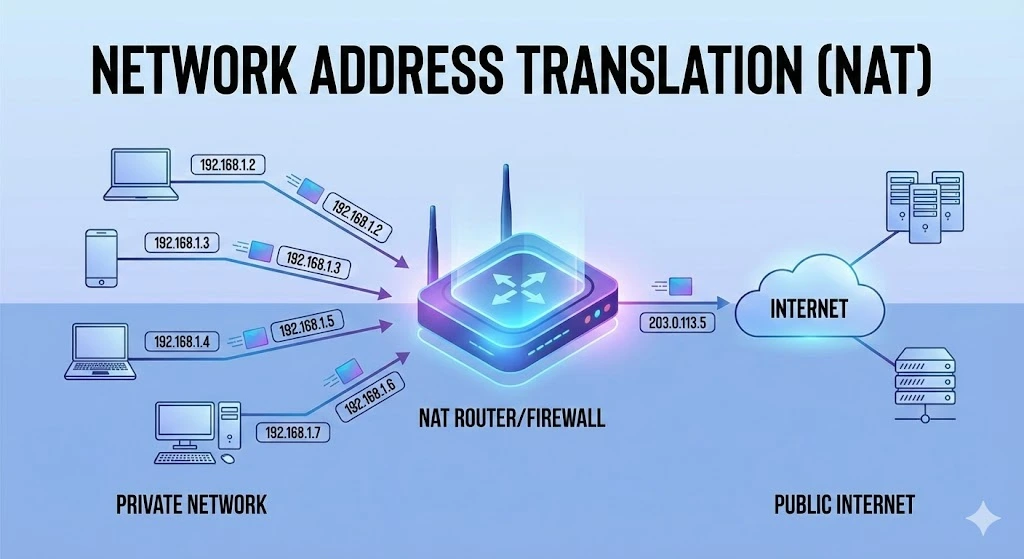
Comprensión de la traducción de direcciones de red (NAT)
En las redes informáticas, gestionar las direcciones IP de forma eficiente es fundamental para garantizar una comunicación fluida entre los dispositivos. Una de las tecnologías clave que ha surgido para afrontar este desafío es la Traducción de Direcciones de Red (NAT, por sus siglas en inglés). En este artículo explicamos qué es NAT, cómo funciona, sus distintos tipos, así como sus ventajas y limitaciones. ¿Qué es la traducción deRead more Related Posts Desbloqueando la privacidad digital con una red privada virtual (VPN) ¿Qué es una VPN? Una red privada virtual (VPN) es una tecnología que permite a los usuarios crear una conexión Comprensión de la traducción de direcciones de red (NAT) En las redes informáticas, gestionar las direcciones IP de forma eficiente es fundamental para garantizar una comunicación fluida entre los ¿Por qué Malasia se está convirtiendo en un centro neurálgico para la infraestructura de nube e IA? Malasia se está convirtiendo en uno de los mercados de crecimiento de centros de datos más importantes del Sudeste Asiático. .related-post {} .related-post .post-list { text-align: left; } .related-post .post-list .item { margin: 5px; padding: 10px; } .related-post .headline { font-size: 18px !important; color: #999999 !important; } .related-post .post-list .item .post_thumb { max-height: 220px; margin: 10px 0px; padding: 0px; display: block; } .related-post .post-list .item .post_title { font-size: 16px; color: #3f3f3f; margin: 10px 0px; padding: 0px; display: block; text-decoration: none; } .related-post .post-list .item .post_excerpt { font-size: 13px; color: #3f3f3f; margin: 10px 0px; padding: 0px; display: block; text-decoration: none; } @media only screen and (min-width: 1024px) { .related-post .post-list .item { width: 30%; } } @media only screen and (min-width: 768px) and (max-width: 1023px) { .related-post .post-list .item { width: 90%; } } @media only screen and (min-width: 0px) and (max-width: 767px) { .related-post .post-list .item { width: 90%; } }
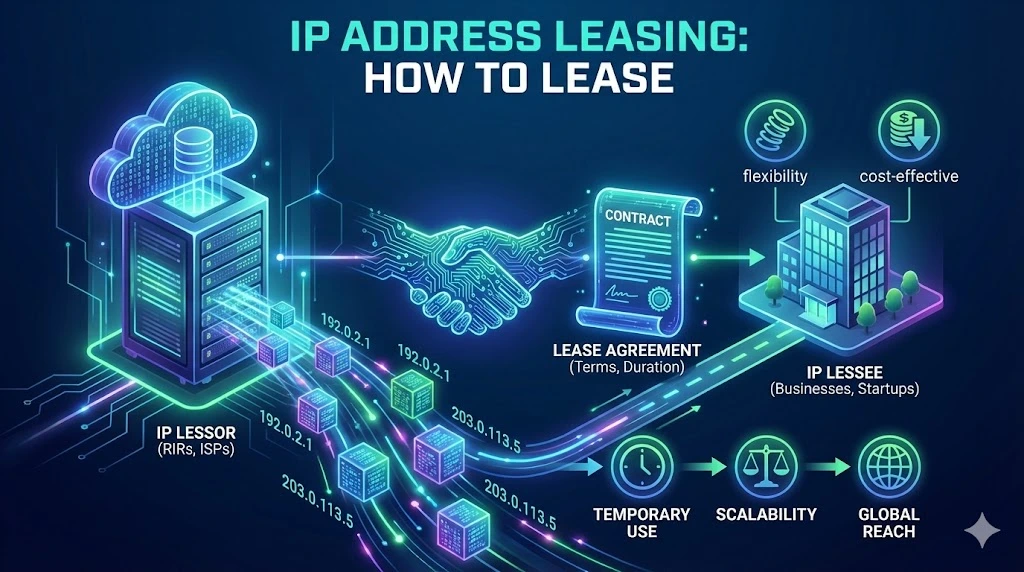
Arrendamiento de direcciones IP: Cómo arrendar direcciones IP
El mundo digital en el que nos movemos hoy depende en gran medida de las direcciones IP, identificadores únicos asignados a los dispositivos conectados a internet o a una red local. A medida que la demanda de direcciones IP sigue aumentando, empresas y particulares exploran diversas opciones para obtener los recursos necesarios. Un método cada vez más popular es el arrendamiento de direcciones IP. Este artículo profundiza en elRead more Related Posts Desbloqueando la privacidad digital con una red privada virtual (VPN) ¿Qué es una VPN? Una red privada virtual (VPN) es una tecnología que permite a los usuarios crear una conexión Comprensión de la traducción de direcciones de red (NAT) En las redes informáticas, gestionar las direcciones IP de forma eficiente es fundamental para garantizar una comunicación fluida entre los ¿Por qué Malasia se está convirtiendo en un centro neurálgico para la infraestructura de nube e IA? Malasia se está convirtiendo en uno de los mercados de crecimiento de centros de datos más importantes del Sudeste Asiático. .related-post {} .related-post .post-list { text-align: left; } .related-post .post-list .item { margin: 5px; padding: 10px; } .related-post .headline { font-size: 18px !important; color: #999999 !important; } .related-post .post-list .item .post_thumb { max-height: 220px; margin: 10px 0px; padding: 0px; display: block; } .related-post .post-list .item .post_title { font-size: 16px; color: #3f3f3f; margin: 10px 0px; padding: 0px; display: block; text-decoration: none; } .related-post .post-list .item .post_excerpt { font-size: 13px; color: #3f3f3f; margin: 10px 0px; padding: 0px; display: block; text-decoration: none; } @media only screen and (min-width: 1024px) { .related-post .post-list .item { width: 30%; } } @media only screen and (min-width: 768px) and (max-width: 1023px) { .related-post .post-list .item { width: 90%; } } @media only screen and (min-width: 0px) and (max-width: 767px) { .related-post .post-list .item { width: 90%; } }
¿Qué es el agotamiento de direcciones IPv4?
IPv4 es la versión inicial del Protocolo de Internet (IP), capaz de generar 4.300 millones de posibles direcciones IPv4. Sin embargo, muchas de estas direcciones están reservadas para fines específicos, como investigación y desarrollo. Esto deja un conjunto limitado disponible para organizaciones e individuos en todo el mundo. Con el crecimiento exponencial de Internet, la demanda de direcciones IPv4 se ha disparado. Esto provocó una rápida disminución de lasRead more Related Posts Desbloqueando la privacidad digital con una red privada virtual (VPN) ¿Qué es una VPN? Una red privada virtual (VPN) es una tecnología que permite a los usuarios crear una conexión Comprensión de la traducción de direcciones de red (NAT) En las redes informáticas, gestionar las direcciones IP de forma eficiente es fundamental para garantizar una comunicación fluida entre los Arrendamiento de direcciones IP: Cómo arrendar direcciones IP El mundo digital en el que nos movemos hoy depende en gran medida de las direcciones IP, identificadores únicos asignados .related-post {} .related-post .post-list { text-align: left; } .related-post .post-list .item { margin: 5px; padding: 10px; } .related-post .headline { font-size: 18px !important; color: #999999 !important; } .related-post .post-list .item .post_thumb { max-height: 220px; margin: 10px 0px; padding: 0px; display: block; } .related-post .post-list .item .post_title { font-size: 16px; color: #3f3f3f; margin: 10px 0px; padding: 0px; display: block; text-decoration: none; } .related-post .post-list .item .post_excerpt { font-size: 13px; color: #3f3f3f; margin: 10px 0px; padding: 0px; display: block; text-decoration: none; } @media only screen and (min-width: 1024px) { .related-post .post-list .item { width: 30%; } } @media only screen and (min-width: 768px) and (max-width: 1023px) { .related-post .post-list .item { width: 90%; } } @media only screen and (min-width: 0px) and (max-width: 767px) { .related-post .post-list .item { width: 90%; } }
