تأمين شبكة IP الخاصة بك، الجزء 2: كيفية تأمين عنوان IP الخاص بك
 Chan
Chanاستكشفنا في الجزء الأول من سلسلتنا أهمية تأمين شبكة IP الخاصة بك وحددنا الاستراتيجيات الأساسية لتعزيز أمن الشبكة. في هذا الجزء، سنتعمق في هذا الجزء في التدابير المحددة وأفضل الممارسات لتأمين عناوين IP الخاصة بك وحماية شبكتك من التهديدات الإلكترونية والوصول غير المصرح به.
Table of Contents
سنرشدك في هذه المقالة إلى 6 طرق لتأمين شبكة IP الخاصة بك. راجع الجزء الأول للتحقق من أهمية تأمين شبكة IP.
كيفية تأمين عنوان IP
تنفيذ القائمة البيضاء لعناوين IP
تتمثل إحدى الطرق الفعالة لتعزيز أمان عنوان IP في تنفيذ القائمة البيضاء لعناوين IP. تتضمن القائمة البيضاء إنشاء قائمة بعناوين أو نطاقات عناوين IP الموثوقة المسموح لها بالوصول إلى موارد الشبكة. من خلال تقييد الوصول إلى عناوين IP المصرح بها فقط، يمكنك التخفيف من مخاطر الوصول غير المصرح به والأنشطة الضارة.
استخدام تصفية عناوين IP
تتيح لك تصفية عناوين IP التحكم في تدفق حركة المرور من شبكتك وإليها بناءً على معايير محددة، مثل عناوين IP المصدر أو الوجهة والبروتوكولات والمنافذ. من خلال تكوين قواعد جدار الحماية وقوائم التحكم بالوصول (ACLs) لتصفية حركة البيانات الواردة والصادرة، يمكنك حظر عناوين IP المشبوهة ومنع محاولات الوصول غير المصرح بها وتصفية حركة البيانات الضارة.
تمكين الحماية من انتحال عناوين IP
يعد انتحال عنوان IP أسلوباً شائعاً يستخدمه المهاجمون لإخفاء هويتهم وتجاوز تدابير أمان الشبكة. لمنع هجمات انتحال عناوين IP، من الضروري تمكين آليات الحماية من انتحال عناوين IP، مثل تصفية الدخول والخروج، وقواعد مكافحة الانتحال، والتحقق من صحة دخول الشبكة. تساعد هذه التدابير في التحقق من شرعية حركة المرور الواردة والصادرة، مما يمنع عناوين IP المخادعة من التسلل إلى شبكتك.
نشر شبكات IPsec VPN للاتصال الآمن
توفر شبكات IPsec (أمان بروتوكول الإنترنت) VPN (الشبكات الافتراضية الخاصة) قناة اتصال آمنة ومشفرة لنقل البيانات عبر شبكات IP. من خلال نشر شبكات IPsec VPN، يمكنك إنشاء اتصالات آمنة بين المواقع البعيدة أو المكاتب الفرعية أو الأجهزة الفردية، مما يضمن سرية وسلامة وموثوقية البيانات المرسلة. تحمي شبكات IPsec VPN من التنصت والتلاعب بالبيانات وهجمات الرجل في الوسط، مما يجعلها عنصراً أساسياً في أمان عنوان IP.
تحديث الأنظمة وتصحيحها بانتظام
إن الحفاظ على تحديث البنية التحتية للشبكة وأنظمة التشغيل وأجهزة الشبكة بأحدث التصحيحات الأمنية وتحديثات البرامج الثابتة أمر بالغ الأهمية لمعالجة الثغرات الأمنية والتخفيف من المخاطر الأمنية.
راقب بانتظام إرشادات البائعين والنشرات الأمنية وقواعد بيانات الثغرات الأمنية لتحديد ومعالجة الثغرات الأمنية المحتملة في مكونات شبكة IP الخاصة بك. بالإضافة إلى ذلك، قم بإنشاء عملية استباقية لإدارة التصحيح لضمان نشر التصحيحات والتحديثات في الوقت المناسب عبر البنية التحتية لشبكتك.
مراقبة حركة مرور IP وتحليلها
يتطلب الأمن الفعال لعنوان IP مراقبة وتحليل حركة مرور بروتوكول الإنترنت بشكل مستمر لاكتشاف الحوادث الأمنية والاستجابة لها في الوقت الفعلي.
قم بتنفيذ أنظمة كشف التطفل على الشبكة (NIDS) وأنظمة منع التطفل (IPS) وحلول إدارة المعلومات الأمنية والأحداث (SIEM) لمراقبة حركة مرور بيانات الشبكة واكتشاف الأنشطة المشبوهة وإنشاء تنبيهات للتهديدات الأمنية المحتملة.
من خلال تحليل أنماط حركة مرور بروتوكول الإنترنت والحالات الشاذة والأحداث الأمنية، يمكنك تحديد الاختراقات الأمنية ومحاولات الوصول غير المصرح بها والأنشطة الضارة على شبكة بروتوكول الإنترنت لديك والتخفيف من حدتها.
الجزء 2: كيفية تأمين عنوان IP بإيجاز
يعد تأمين عناوين IP الخاصة بك جانبًا مهمًا للحفاظ على بنية تحتية آمنة ومرنة للشبكة. من خلال تنفيذ تدابير أمنية قوية مثل القائمة البيضاء لعناوين IP، والتصفية، والحماية من الانتحال، والشبكات الافتراضية الخاصة، وإدارة التصحيح، ومراقبة حركة المرور، يمكنك حماية شبكة IP الخاصة بك بشكل فعال ضد التهديدات السيبرانية والوصول غير المصرح به وخروقات البيانات.
Artículos relacionados
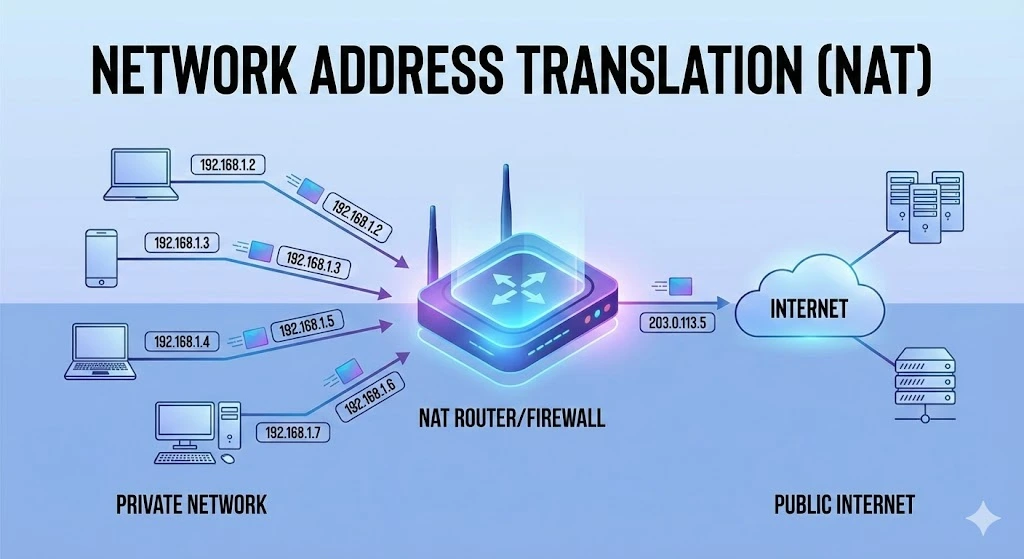
Comprensión de la traducción de direcciones de red (NAT)
En las redes informáticas, gestionar las direcciones IP de forma eficiente es fundamental para garantizar una comunicación fluida entre los dispositivos. Una de las tecnologías clave que ha surgido para afrontar este desafío es la Traducción de Direcciones de Red (NAT, por sus siglas en inglés). En este artículo explicamos qué es NAT, cómo funciona, sus distintos tipos, así como sus ventajas y limitaciones. ¿Qué es la traducción deRead more Related Posts Desbloqueando la privacidad digital con una red privada virtual (VPN) ¿Qué es una VPN? Una red privada virtual (VPN) es una tecnología que permite a los usuarios crear una conexión Comprensión de la traducción de direcciones de red (NAT) En las redes informáticas, gestionar las direcciones IP de forma eficiente es fundamental para garantizar una comunicación fluida entre los ¿Por qué Malasia se está convirtiendo en un centro neurálgico para la infraestructura de nube e IA? Malasia se está convirtiendo en uno de los mercados de crecimiento de centros de datos más importantes del Sudeste Asiático. .related-post {} .related-post .post-list { text-align: left; } .related-post .post-list .item { margin: 5px; padding: 10px; } .related-post .headline { font-size: 18px !important; color: #999999 !important; } .related-post .post-list .item .post_thumb { max-height: 220px; margin: 10px 0px; padding: 0px; display: block; } .related-post .post-list .item .post_title { font-size: 16px; color: #3f3f3f; margin: 10px 0px; padding: 0px; display: block; text-decoration: none; } .related-post .post-list .item .post_excerpt { font-size: 13px; color: #3f3f3f; margin: 10px 0px; padding: 0px; display: block; text-decoration: none; } @media only screen and (min-width: 1024px) { .related-post .post-list .item { width: 30%; } } @media only screen and (min-width: 768px) and (max-width: 1023px) { .related-post .post-list .item { width: 90%; } } @media only screen and (min-width: 0px) and (max-width: 767px) { .related-post .post-list .item { width: 90%; } }
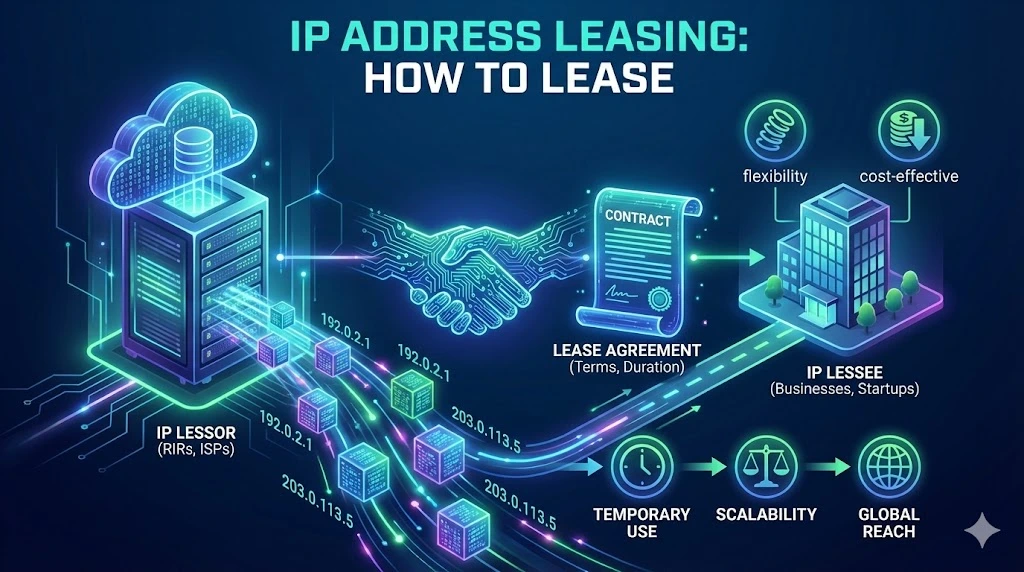
Arrendamiento de direcciones IP: Cómo arrendar direcciones IP
El mundo digital en el que nos movemos hoy depende en gran medida de las direcciones IP, identificadores únicos asignados a los dispositivos conectados a internet o a una red local. A medida que la demanda de direcciones IP sigue aumentando, empresas y particulares exploran diversas opciones para obtener los recursos necesarios. Un método cada vez más popular es el arrendamiento de direcciones IP. Este artículo profundiza en elRead more Related Posts Desbloqueando la privacidad digital con una red privada virtual (VPN) ¿Qué es una VPN? Una red privada virtual (VPN) es una tecnología que permite a los usuarios crear una conexión Comprensión de la traducción de direcciones de red (NAT) En las redes informáticas, gestionar las direcciones IP de forma eficiente es fundamental para garantizar una comunicación fluida entre los ¿Por qué Malasia se está convirtiendo en un centro neurálgico para la infraestructura de nube e IA? Malasia se está convirtiendo en uno de los mercados de crecimiento de centros de datos más importantes del Sudeste Asiático. .related-post {} .related-post .post-list { text-align: left; } .related-post .post-list .item { margin: 5px; padding: 10px; } .related-post .headline { font-size: 18px !important; color: #999999 !important; } .related-post .post-list .item .post_thumb { max-height: 220px; margin: 10px 0px; padding: 0px; display: block; } .related-post .post-list .item .post_title { font-size: 16px; color: #3f3f3f; margin: 10px 0px; padding: 0px; display: block; text-decoration: none; } .related-post .post-list .item .post_excerpt { font-size: 13px; color: #3f3f3f; margin: 10px 0px; padding: 0px; display: block; text-decoration: none; } @media only screen and (min-width: 1024px) { .related-post .post-list .item { width: 30%; } } @media only screen and (min-width: 768px) and (max-width: 1023px) { .related-post .post-list .item { width: 90%; } } @media only screen and (min-width: 0px) and (max-width: 767px) { .related-post .post-list .item { width: 90%; } }
¿Qué es el agotamiento de direcciones IPv4?
IPv4 es la versión inicial del Protocolo de Internet (IP), capaz de generar 4.300 millones de posibles direcciones IPv4. Sin embargo, muchas de estas direcciones están reservadas para fines específicos, como investigación y desarrollo. Esto deja un conjunto limitado disponible para organizaciones e individuos en todo el mundo. Con el crecimiento exponencial de Internet, la demanda de direcciones IPv4 se ha disparado. Esto provocó una rápida disminución de lasRead more Related Posts Desbloqueando la privacidad digital con una red privada virtual (VPN) ¿Qué es una VPN? Una red privada virtual (VPN) es una tecnología que permite a los usuarios crear una conexión Comprensión de la traducción de direcciones de red (NAT) En las redes informáticas, gestionar las direcciones IP de forma eficiente es fundamental para garantizar una comunicación fluida entre los Arrendamiento de direcciones IP: Cómo arrendar direcciones IP El mundo digital en el que nos movemos hoy depende en gran medida de las direcciones IP, identificadores únicos asignados .related-post {} .related-post .post-list { text-align: left; } .related-post .post-list .item { margin: 5px; padding: 10px; } .related-post .headline { font-size: 18px !important; color: #999999 !important; } .related-post .post-list .item .post_thumb { max-height: 220px; margin: 10px 0px; padding: 0px; display: block; } .related-post .post-list .item .post_title { font-size: 16px; color: #3f3f3f; margin: 10px 0px; padding: 0px; display: block; text-decoration: none; } .related-post .post-list .item .post_excerpt { font-size: 13px; color: #3f3f3f; margin: 10px 0px; padding: 0px; display: block; text-decoration: none; } @media only screen and (min-width: 1024px) { .related-post .post-list .item { width: 30%; } } @media only screen and (min-width: 768px) and (max-width: 1023px) { .related-post .post-list .item { width: 90%; } } @media only screen and (min-width: 0px) and (max-width: 767px) { .related-post .post-list .item { width: 90%; } }
