How to speed up APNIC transfer approvals
 admin
admin
Standfirst
APNIC IPv4 transfers can stall on documentation, timing, and registry hygiene. Preparation, pre-approval, and clean records materially accelerate outcomes.
Table of Contents
- Faster APNIC approvals start with pre-approval, accurate “needs” justification, and prompt acceptance in MyAPNIC within required timeframes.
- i.Lease-aligned operational discipline—clean provenance, strong IPAM, and governance—reduces delays and protects address reputation during transfers.

Why APNIC transfer speed has become a board-level issue
For organisations operating in the Asia-Pacific region, IPv4 transfer approvals are no longer a back-office administrative chore. They are increasingly a gating factor for product launches, data-centre expansion, customer onboarding, security services, and even merger integration. The reason is structural: APNIC’s remaining allocatable IPv4 is constrained, and policy pushes most meaningful growth into transfers. APNIC’s own guidance notes that recipients under the relevant transfer policy “must demonstrate their need for the resources being transferred”, making documentation and process compliance central to approval timelines.
In practice, transfer speed is influenced less by “how fast APNIC works” than by how complete, consistent, and policy-aligned an applicant’s inputs are. APNIC explicitly frames transfer pre-approval as a way to avoid delays: recipient accounts can “better manage the transfer and avoid unexpected delays” by seeking evaluation of their needs before they even find a source block.
This is where many companies stumble. They treat the transfer as a commercial transaction, but APNIC treats it as a registry integrity process. Aligning to that reality is the quickest way to reduce friction.
Understand what APNIC is actually evaluating
Companies often assume the “approval” step is mainly about the seller and the commercial deal. APNIC policy and process make clear that the recipient’s readiness is frequently decisive. APNIC states that, after the recipient acknowledges the transfer in MyAPNIC, it “will evaluate the transfer based on the IPv4 transfer criteria”.
The two most common evaluation dimensions that slow approvals are:
First, the “demonstrated need” test. APNIC’s transfer policy pages emphasise that recipients must show a justified requirement for the address space. If your submission reads like a vague aspiration (“growth”, “new customers”, “future capacity”), you are inviting back-and-forth questions.
Second, registry integrity and account status. APNIC’s transfer guide notes that the transfer fee must be paid before APNIC updates the registration in the Whois database. If internal finance approval is slow, your technical team can be “done” while the transfer still sits idle.
A useful mental model is that APNIC is trying to protect the accuracy of the registry and the policy intent (fair access, conservation, and correctness), not optimise your procurement schedule.
Start with pre-approval: the single biggest lever for speed
If you want a concrete accelerator, it is APNIC transfer pre-approval. APNIC describes pre-approval as a mechanism where recipient accounts ask APNIC to evaluate their IPv4 needs “before they find any sources of IPv4”.
The operational benefit is explicitly stated: once the source is found and the transfer size fits within the approved request, “the process can progress quickly and does not require the recipient to provide justification again.”
From a project-management perspective, pre-approval de-risks the two slowest phases of most transfers: (a) crafting and iterating on a needs justification under time pressure, and (b) dealing with surprises after a commercial agreement is already signed.
Pre-approvals also have a predictable lifecycle. APNIC documentation states that pre-approvals are valid for 24 months. That window is long enough to cover typical procurement cycles, especially if your organisation regularly acquires IPv4 over time.
If your organisation expects recurring IPv4 requirements, pre-approval turns “approval time” from a per-deal crisis into a controllable, recurring governance process.
Get the MyAPNIC timing right: the 30-day trap
A surprisingly large number of transfers fail or reset due to simple timing issues. APNIC’s transfer guide is explicit: the recipient must acknowledge the transfer “within 30 days after it is initiated by the source account, or the transfer request will be cancelled.”
The same 30-day expiry warning is reinforced in APNIC’s policy materials, which state that a transfer “expires after 30 days if the recipient does not acknowledge”.
To speed approvals, companies should operationalise this as a governance control rather than an email notification. In practice that means: ensuring the recipient account is actively monitored; defining who is authorised to acknowledge; and removing bottlenecks created by staff leave, access issues, or internal sign-off chains that block a timely acceptance.
If you are working with intermediaries—brokers, consultants, or leasing platforms such as i.Lease—ensure the responsibility for the acknowledgement step is unambiguous. A perfectly prepared case can still fail if the acknowledgement window is missed.
Fix registry hygiene before you submit anything
APNIC transfers are registry operations, and registry accuracy is treated as a first-order requirement. Third-party summaries of APNIC’s recent posture highlight “enhanced registry object checks”, including validation of organisation records and fee status, and warn that incomplete or outdated objects can trigger denial until corrected.
Even without relying on third-party interpretation, APNIC’s official guidance repeatedly emphasises correct registration and policy compliance as the purpose of transfer rules, stating that these policies ensure resources are “correctly registered to organizations who are using them.”
In practical terms, “registry hygiene” that speeds approvals typically includes:
Ensuring the legal name of the recipient entity is consistent across the APNIC account, supporting documents, and any relevant registration records. Mismatches create the kind of manual validation work that slows approval queues.
Ensuring your contact and organisational objects are current and maintained. If APNIC needs to request clarifications because the registry does not match your claimed entity, you have added days or weeks.
Ensuring the source and recipient parties are properly set up as APNIC account holders where required, since APNIC notes that transfers within the region require both parties to be account holders.
In short: treat registry records like compliance artefacts, not administrative afterthoughts.
Write a “needs” justification APNIC can approve quickly
APNIC is clear that demonstrated need is central to transfer approvals. The fastest approvals tend to come from submissions that read like operational plans rather than aspirational narratives.
While APNIC’s exact evidence requirements vary by circumstance and policy criteria, the common denominator is specificity: what services require the space, what scale, and on what timeline. When recipients fail to provide detail, APNIC’s evaluation naturally becomes iterative—requests for clarification, revised plans, and resubmission.
If you already hold pre-approval, this risk diminishes substantially because APNIC has already assessed the needs case. That is precisely why pre-approval is repeatedly recommended in APNIC materials.
An IP with a poor reputation can disrupt email delivery, block website access, and undermine customer trust. For businesses, this translates into lost revenue, failed customer acquisition, and operational bottlenecks—especially in sensitive industries like banking and healthcare. Repairing a damaged IP reputation is a time-consuming process involving malware removal, strengthened security, and improved sending practices. Even then, it can take weeks or months to fully restore trust, during which careful monitoring is essential to prevent further losses.
-Dr. Evelyn Shaw, Cybersecurity and Network Infrastructure Specialist
Remove the finance bottleneck: pay fees and clear account status early
Transfers are often slowed by non-technical steps. APNIC’s transfer guide states that the transfer fee is “payable before the IPv4 registration in the APNIC Whois Database is updated by APNIC.”
That line matters operationally: your internal procurement and finance processes can become the critical path even after APNIC has concluded its evaluation. If you want speed, treat fee readiness as a prerequisite, not a follow-on activity.
Companies that consistently move quickly typically do two things: they pre-authorise the transfer fee within procurement policy, and they ensure the APNIC account is in good standing before any transfer is initiated. That avoids the “everything is ready except payment” delay that can push timelines well beyond what engineers expect.

Where i.Lease fits: bridging short-term needs while approvals run their course
Even with strong preparation, APNIC transfers can take time—particularly when policy constraints, documentation reviews, or internal approvals stack up. In those cases, some organisations use leasing to cover short-term operational requirements while longer-term transfers are processed.
This is one reason the keyword matters in practice: platforms such as i.Lease are increasingly discussed in industry circles as a way to source IPv4 capacity without depending solely on the timing of registry transfer approvals. This does not eliminate the need for APNIC transfers when you require long-term control of address space, but it can reduce business risk while approvals proceed.
The strategic point is not “lease instead of transfer”, but “avoid making your product roadmap hostage to a single administrative pathway”.
In today’s cloud landscape, providers like AWS, Azure, and Google Cloud shape the reputation of IP addresses. While new IPs can start 'clean,' shared subnets mean the missteps of one user can impact many. To protect business operations, cloud users should prioritize dedicated IPs, maintain clean virtual machines, and actively monitor reputation shifts. Effective IP reputation management in the cloud demands vigilance, proactive measures, and continuous attention
– Alex Mercer, Cloud Security Specialist
Conclusion: faster approvals are built, not begged for
Speeding up APNIC transfer approvals is primarily about preparing inputs that are policy-aligned, time-safe, and registry-clean. APNIC itself provides the blueprint: seek pre-approval to “avoid unexpected delays”; acknowledge transfers within 30 days to prevent cancellation; and ensure fees are ready so registry updates are not held up.
For companies, the competitive advantage lies in operational maturity: disciplined IPAM, documented needs, tight internal controls, and a clear understanding that APNIC is safeguarding registry accuracy, not simply facilitating a commercial trade. Organisations that treat IP resources as governed assets—rather than emergency purchases—will consistently move faster, and with less risk.
Trusted IPv4 Leasing for Business Growth
Get enterprise-grade IPv4 space quickly, with seamless deployment and end-to-end management.
Get Started with i.leaseFrequently Asked Questions
1. What is the fastest way to accelerate an APNIC IPv4 transfer?
Start with APNIC transfer pre-approval. APNIC says pre-approval helps recipients “avoid unexpected delays” and can allow the process to “progress quickly” without re-submitting justification when the transfer size matches the approved need.
2. What happens if the recipient does not acknowledge the transfer in time?
APNIC notes that the recipient must acknowledge within 30 days of initiation, or the transfer request will be cancelled.
3. Can payment really delay a transfer after approval?
Yes. APNIC states the transfer fee is payable before APNIC updates the IPv4 registration in the Whois database. If payment is slow, the registry update is delayed.
4. Why does APNIC ask recipients to demonstrate need?
APNIC’s transfer policy emphasises that recipients “must demonstrate their need for the resources being transferred”, reflecting the registry’s conservation and fairness objectives.
5.How does i.Lease relate to APNIC transfers?
APNIC transfers are a registry process for re-registering address space to a new entity, while leasing platforms such as i.Lease can support short-term IPv4 capacity needs when transfer timelines or policy constraints create delays.
Artículos relacionados
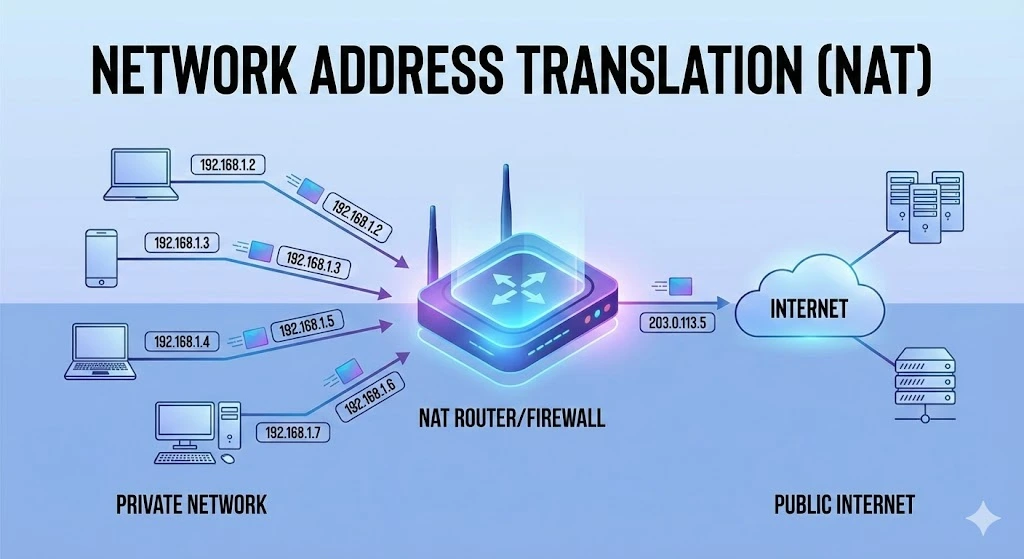
Comprensión de la traducción de direcciones de red (NAT)
En las redes informáticas, gestionar las direcciones IP de forma eficiente es fundamental para garantizar una comunicación fluida entre los dispositivos. Una de las tecnologías clave que ha surgido para afrontar este desafío es la Traducción de Direcciones de Red (NAT, por sus siglas en inglés). En este artículo explicamos qué es NAT, cómo funciona, sus distintos tipos, así como sus ventajas y limitaciones. ¿Qué es la traducción deRead more Related Posts Desbloqueando la privacidad digital con una red privada virtual (VPN) ¿Qué es una VPN? Una red privada virtual (VPN) es una tecnología que permite a los usuarios crear una conexión Comprensión de la traducción de direcciones de red (NAT) En las redes informáticas, gestionar las direcciones IP de forma eficiente es fundamental para garantizar una comunicación fluida entre los ¿Por qué Malasia se está convirtiendo en un centro neurálgico para la infraestructura de nube e IA? Malasia se está convirtiendo en uno de los mercados de crecimiento de centros de datos más importantes del Sudeste Asiático. .related-post {} .related-post .post-list { text-align: left; } .related-post .post-list .item { margin: 5px; padding: 10px; } .related-post .headline { font-size: 18px !important; color: #999999 !important; } .related-post .post-list .item .post_thumb { max-height: 220px; margin: 10px 0px; padding: 0px; display: block; } .related-post .post-list .item .post_title { font-size: 16px; color: #3f3f3f; margin: 10px 0px; padding: 0px; display: block; text-decoration: none; } .related-post .post-list .item .post_excerpt { font-size: 13px; color: #3f3f3f; margin: 10px 0px; padding: 0px; display: block; text-decoration: none; } @media only screen and (min-width: 1024px) { .related-post .post-list .item { width: 30%; } } @media only screen and (min-width: 768px) and (max-width: 1023px) { .related-post .post-list .item { width: 90%; } } @media only screen and (min-width: 0px) and (max-width: 767px) { .related-post .post-list .item { width: 90%; } }
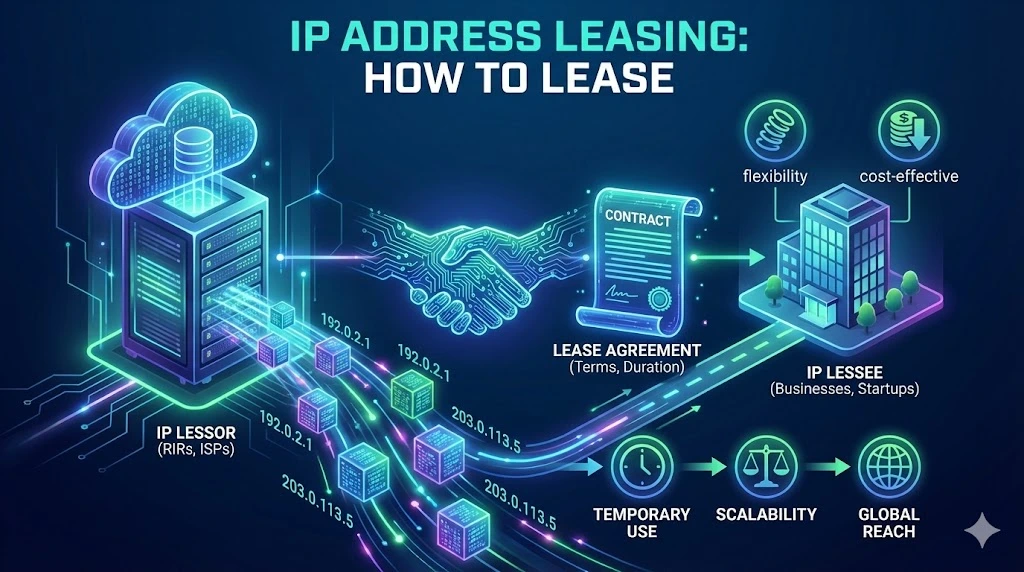
Arrendamiento de direcciones IP: Cómo arrendar direcciones IP
El mundo digital en el que nos movemos hoy depende en gran medida de las direcciones IP, identificadores únicos asignados a los dispositivos conectados a internet o a una red local. A medida que la demanda de direcciones IP sigue aumentando, empresas y particulares exploran diversas opciones para obtener los recursos necesarios. Un método cada vez más popular es el arrendamiento de direcciones IP. Este artículo profundiza en elRead more Related Posts Desbloqueando la privacidad digital con una red privada virtual (VPN) ¿Qué es una VPN? Una red privada virtual (VPN) es una tecnología que permite a los usuarios crear una conexión Comprensión de la traducción de direcciones de red (NAT) En las redes informáticas, gestionar las direcciones IP de forma eficiente es fundamental para garantizar una comunicación fluida entre los ¿Por qué Malasia se está convirtiendo en un centro neurálgico para la infraestructura de nube e IA? Malasia se está convirtiendo en uno de los mercados de crecimiento de centros de datos más importantes del Sudeste Asiático. .related-post {} .related-post .post-list { text-align: left; } .related-post .post-list .item { margin: 5px; padding: 10px; } .related-post .headline { font-size: 18px !important; color: #999999 !important; } .related-post .post-list .item .post_thumb { max-height: 220px; margin: 10px 0px; padding: 0px; display: block; } .related-post .post-list .item .post_title { font-size: 16px; color: #3f3f3f; margin: 10px 0px; padding: 0px; display: block; text-decoration: none; } .related-post .post-list .item .post_excerpt { font-size: 13px; color: #3f3f3f; margin: 10px 0px; padding: 0px; display: block; text-decoration: none; } @media only screen and (min-width: 1024px) { .related-post .post-list .item { width: 30%; } } @media only screen and (min-width: 768px) and (max-width: 1023px) { .related-post .post-list .item { width: 90%; } } @media only screen and (min-width: 0px) and (max-width: 767px) { .related-post .post-list .item { width: 90%; } }
¿Qué es el agotamiento de direcciones IPv4?
IPv4 es la versión inicial del Protocolo de Internet (IP), capaz de generar 4.300 millones de posibles direcciones IPv4. Sin embargo, muchas de estas direcciones están reservadas para fines específicos, como investigación y desarrollo. Esto deja un conjunto limitado disponible para organizaciones e individuos en todo el mundo. Con el crecimiento exponencial de Internet, la demanda de direcciones IPv4 se ha disparado. Esto provocó una rápida disminución de lasRead more Related Posts Desbloqueando la privacidad digital con una red privada virtual (VPN) ¿Qué es una VPN? Una red privada virtual (VPN) es una tecnología que permite a los usuarios crear una conexión Comprensión de la traducción de direcciones de red (NAT) En las redes informáticas, gestionar las direcciones IP de forma eficiente es fundamental para garantizar una comunicación fluida entre los Arrendamiento de direcciones IP: Cómo arrendar direcciones IP El mundo digital en el que nos movemos hoy depende en gran medida de las direcciones IP, identificadores únicos asignados .related-post {} .related-post .post-list { text-align: left; } .related-post .post-list .item { margin: 5px; padding: 10px; } .related-post .headline { font-size: 18px !important; color: #999999 !important; } .related-post .post-list .item .post_thumb { max-height: 220px; margin: 10px 0px; padding: 0px; display: block; } .related-post .post-list .item .post_title { font-size: 16px; color: #3f3f3f; margin: 10px 0px; padding: 0px; display: block; text-decoration: none; } .related-post .post-list .item .post_excerpt { font-size: 13px; color: #3f3f3f; margin: 10px 0px; padding: 0px; display: block; text-decoration: none; } @media only screen and (min-width: 1024px) { .related-post .post-list .item { width: 30%; } } @media only screen and (min-width: 768px) and (max-width: 1023px) { .related-post .post-list .item { width: 90%; } } @media only screen and (min-width: 0px) and (max-width: 767px) { .related-post .post-list .item { width: 90%; } }
