How to check the Risk Score of an IP block before you lease it
 Stephanie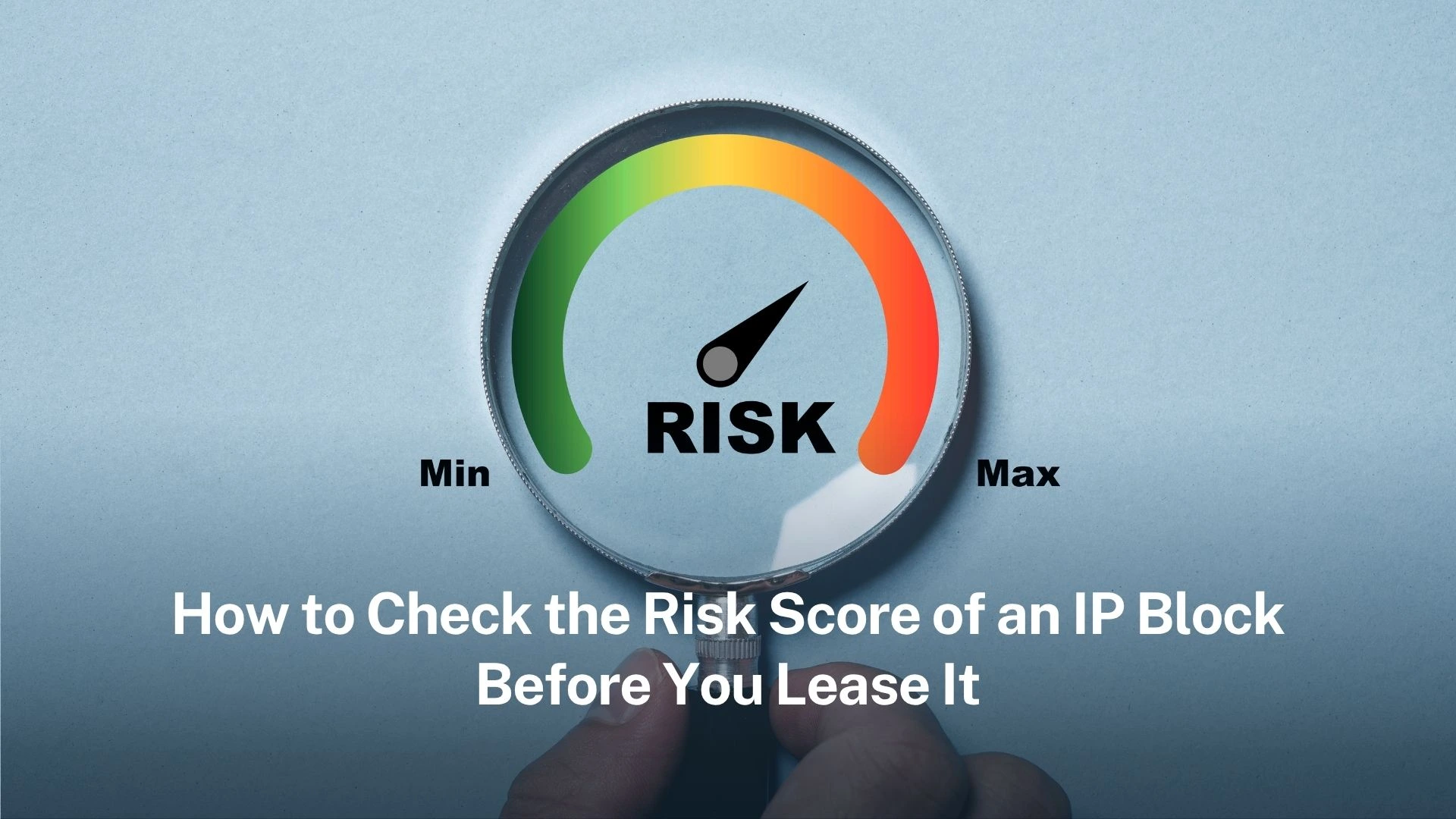
The current era faces IPv4 address scarcity. Organizations must verify IP block risk scores. Tools like i.lease help complete this verification. This process prevents blacklisting problems. It also ensures reliable network leasing for enterprises.
Table of Contents
-Evaluate IP reputation using available tools. Platforms like i.lease provide this capability. This approach helps avoid abuse-tainted blocks. It also maintains regulatory compliance.
-Proactive risk assessment reduces financial losses. These losses can reach multimillion-pound amounts. They stem from spam blacklists and DDoS vulnerabilities. Leased IPv4 assets often face these threats.
What is an IP block risk score?
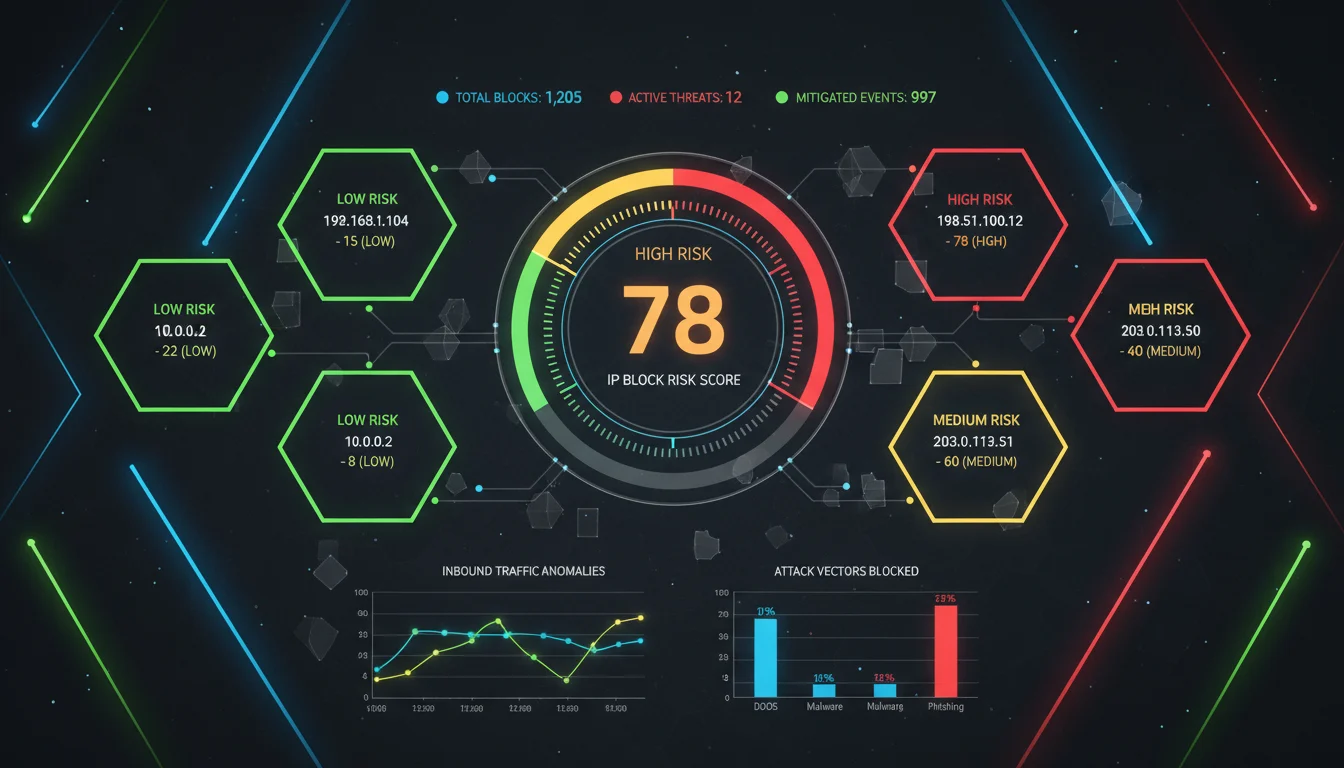
An IP block risk score measures potential threats. It evaluates ranges of IP addresses. Networks use these addresses for routing. They also enable connectivity. This numerical metric uses a 0-100 scale. It estimates involvement in malicious activities. These activities include spam operations. Phishing campaigns represent another threat. Botnet operations also affect scores.
Multiple factors influence the score. Historical abuse records provide important data. Geolocation anomalies create concerns. Connections to known threat actors matter. Overall reputation data contributes significantly. This data comes from global threat intelligence feeds.
IPv4 addresses continue to diminish. Leasing activity has increased substantially. Platforms like i.lease offer over 8 million IPs. Risk score auditing remains essential. Lessees face serious dangers without it. They might inherit compromised blocks. These blocks can reduce email delivery rates. They may also activate firewall restrictions.
Cybersecurity experts make comparisons. They describe these scores as credit ratings. This applies to digital infrastructure. Organizations can prioritize secure assets. Low scores indicate clean blocks. Scores between 0-30 show trustworthiness. High scores above 70 require avoidance.
Practical implementation involves multiple elements. Risk scoring uses blacklist data. Sources include Spamhaus and SURBL. Behavioral patterns provide additional information. Unusual traffic volumes receive attention. Leasing services like i.lease use automation. They calculate scores in real time. Historical data combines with AI predictions. This mixture forecasts future vulnerabilities.
Why check IP risk scores before leasing?
IPv4 exhaustion continues to progress. RIPE NCC forecasts deterioration by 2030. Leasing markets now reach £700 million annually. Unchecked IP blocks create network dangers. Blacklisting stops outbound email transmission. Industry standards show 60% disruption.
Risk score verification ensures regulation compliance. GDPR represents one example. Poor IP management brings financial penalties. Fines can reach 4% of global turnover.
Enterprises lease IPs for various reasons. Cloud scaling requires additional addresses. E-commerce expansions need more resources. Service level agreements must remain valid. Compromised blocks intensify DDoS attacks. Ponemon Institute studies quantify costs. Downtime expenses reach £20,000 hourly.
Platforms like i.lease emphasize pre-lease audits. Statistics show significant problems. Twenty-two percent of leased IPs receive abuse reports. This occurs within the first quarter. Vigilance protects operational integrity. It also maintains asset value long-term. Clean reputations increase resale value. Premiums reach 20-30% higher.
Threat landscapes continue evolving. AI-driven phishing attacks emerge. Dynamic scoring becomes necessary. Ignoring this step creates cascade failures. A single high-risk block causes contamination. This affects entire /24 subnets. Costly migrations become unavoidable.
The consequences of leasing high-risk IP blocks
Unvetted IP blocks create operational damage. Blacklisting incidents represent 60% of abuse cases. Email deliverability drops immediately. Marketing emails experience 90% reduction. Return Path data confirms this impact.
Financial institutions face particular challenges. They rely on IP-trusted transactions. Fraud incidents increase suddenly. A UK bank experienced £5 million in chargebacks. One tainted block caused this in 2024.
Reputation harm persists over time. ARIN documentation shows increased risk. Transferred IPs face 4-25 times more blacklisting. Trust erodes with internet service providers. Partner relationships suffer damage.
Legal consequences create additional burdens. CAN-SPAM violations bring financial penalties. Fines reach £10,000 per email. Operational demands increase significantly. High-risk blocks require continuous monitoring. IT resources shift from innovation. Remediation becomes the primary focus.
Specific examples demonstrate these problems. A European retailer experienced difficulties in 2023. Their /22 block received phishing flags. Online sales stopped for 48 hours. Financial losses reached £1.2 million. These incidents highlight critical needs. Pre-lease checks remain absolutely essential. i.lease best practices advocate this approach.
Step-by-step guide: How to check IP block risk scores
IP block risk assessment requires systematic methods. It combines free tools with professional services. WHOIS lookups provide initial information. ARIN and RIPE databases serve this purpose. They confirm ownership details. Routing history becomes visible. Frequent transfers indicate potential problems.
Blacklist scanning represents the next phase. APIVoid’s IP Reputation Check works effectively. This free tool references 50 lists. It identifies spam and malware connections. Users input CIDR notation. Example format: 192.0.2.0/24. The tool generates 0-100 scores. Values above 50 require deeper investigation.
Geolocation analysis adds another layer. IP2Location detects high-risk origins. Datacenters in sanctioned regions raise concerns. Comprehensive analysis needs advanced tools. Phonexa’s IP Fraud Score provides help. It includes proxy detection capabilities. VPN usage patterns receive evaluation.
Final validation uses threat intelligence platforms. IPQualityScore offers reliable service. API-driven scores update hourly. This multi-layered approach requires 15-30 minutes. It protects lessees from common pitfalls. i.lease users benefit particularly.
Leveraging i.lease for seamless risk assessment
Specialized platforms streamline risk evaluation. i.lease integrates scoring tools directly. Automated blacklist queries save time. Reputation monitoring occurs continuously. The dashboard accepts instant CIDR uploads. Scores derive from proprietary data feeds. Spamhaus information combines with AI predictions.
Cost structures remain reasonable. A /24 block costs £100 monthly. Pre-lease audits involve minimal fees. Abuse risks decrease by 70%.
User advantages include verified lessors. KYC procedures ensure cleaner blocks. The platform identifies high-risk assets immediately. Replacement options occur within 24 hours. Complete management helps smaller businesses. SMEs often lack internal expertise.
Performance metrics show improvements. i.lease reduces false positives by 40%. This builds trust in leasing markets. Thirty percent of leases typically fail reputation tests.
Expert insights: Voices on IP reputation in leasing
Cybersecurity experts emphasize careful checking. Dr. Eric Cole of Cyber Crisis provides analysis. He compares IP risk scoring to credit evaluation. Security teams can prioritize responses. Network protection becomes more efficient.
James Lyne from Sophos adds perspective. IP reputation enables threat prioritization. Investigation efficiency improves significantly. Incident response becomes more effective. Leasing contexts benefit from this approach. Abuse escalation prevents more easily.
Experts like Dr. Eric Cole, James Lyne, and Vincentas Grinius agree that strong IP risk scoring and strict abuse controls are essential for prioritizing threats, speeding investigations, and protecting monetization in IP leasing
— Dr. Eric Cole, James Lyne, and Vincentas Grinius
Dr. Vasileios Giotsas from Lancaster University notes statistics. IPs face 4-25 times more blacklisting after transfer. Reputations damage accordingly. These insights come from ARIN collaborations. Pre-lease diligence remains clearly necessary.
Best practices for ongoing IP monitoring post-lease
Lease completion requires continued vigilance. Automated alerts provide essential monitoring. GlockApps IP Blacklist Check serves this purpose. Weekly scanning identifies new listings. Usage policies need enforcement. Blocks should serve whitelisted applications only. High-volume spam operations must avoid.
Provider partnerships offer advantages. i.lease provides 24/7 monitoring services. They managed 22,000 abuse incidents in Q3 2022. Allocation diversification across regions helps. Single-block failures become less damaging.
Team training ensures better detection. Anomaly recognition skills develop properly. Sudden traffic spikes often precede blacklists. Budget planning should include remediation. Five to ten percent of leasing costs works adequately. Swift IP rotations become possible.
Future trends in IP leasing and risk evaluation
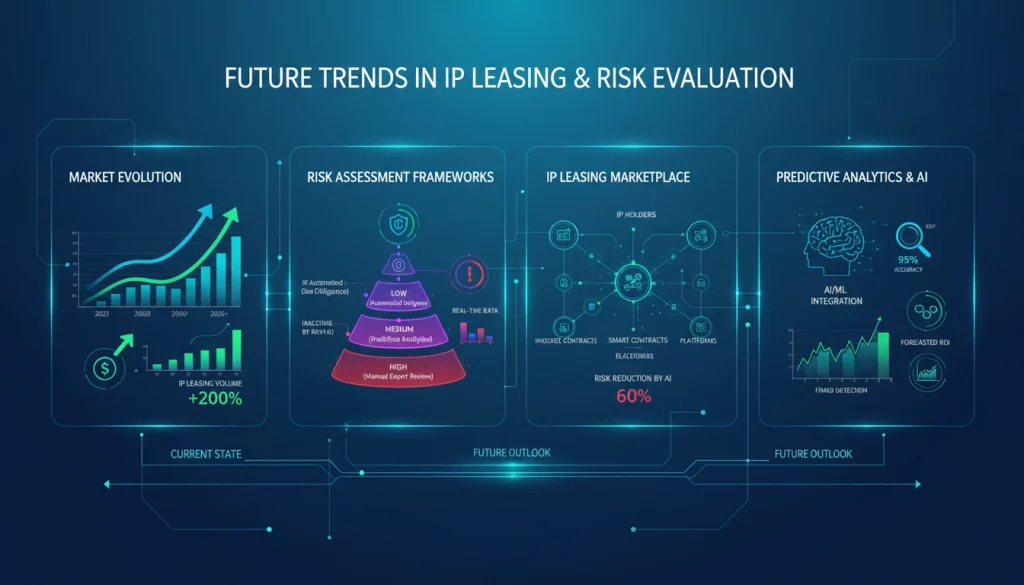
Artificial intelligence will transform scoring. Machine learning will analyze vast datasets. Blockchain technology will track block histories. Spoofing incidents will reduce significantly.
Sustainability considerations will grow important. Green leasing will favor low-carbon datacenters. Eco-scores will become standard measurements. i.lease predicts widespread analytics adoption. Eighty-five percent of leases will use predictive methods by 2025.
IP address resources should be evaluated not only on availability and price, but on their historical usage, governance traceability, and potential risk exposure across the network ecosystem.
— based on Heng Lu’s analysis of IP governance
Quantum computing presents new challenges. Post-quantum encryption will become essential. Scoring algorithms will require updating. Enterprises must adopt these trends. Platforms like i.lease provide necessary tools. Network future-proofing becomes achievable.
Trusted IPv4 Leasing for Business Growth
Get enterprise-grade IPv4 space quickly, with seamless deployment and end-to-end management.
Get Started with i.leaseFAQs
What factors influence an IP block's risk score?
Historical abuse records affect scores. Geolocation data contributes significantly. Threat actor connections matter. Traffic patterns provide indications. Scores range from 0 to 100. Higher numbers show greater malicious potential.
How often should you check IP risk scores before leasing?
Pre-lease checking remains mandatory. Post-lease verification should occur weekly. Tools like APIVoid provide real-time updates. Emerging threats become detectable.
Can platforms like i.lease automate risk assessments?
Yes, automation represents a key feature. Blacklist scanning occurs automatically. AI predictions flag potential issues. Clean block swaps happen instantly.
What if a leased IP block gets blacklisted?
Rotation to new allocations becomes necessary. Providers facilitate this process. Remediation costs average £5,000. Preventive checking avoids these expenses.
Is IP risk scoring relevant for IPv6 leasing too?
Relevance continues growing. IPv6 adoption increases steadily. Current focus remains on IPv4. Tools like IPQualityScore now evaluate both protocols.
Related Blogs
Artículos relacionados
Comprensión de la traducción de direcciones de red (NAT)
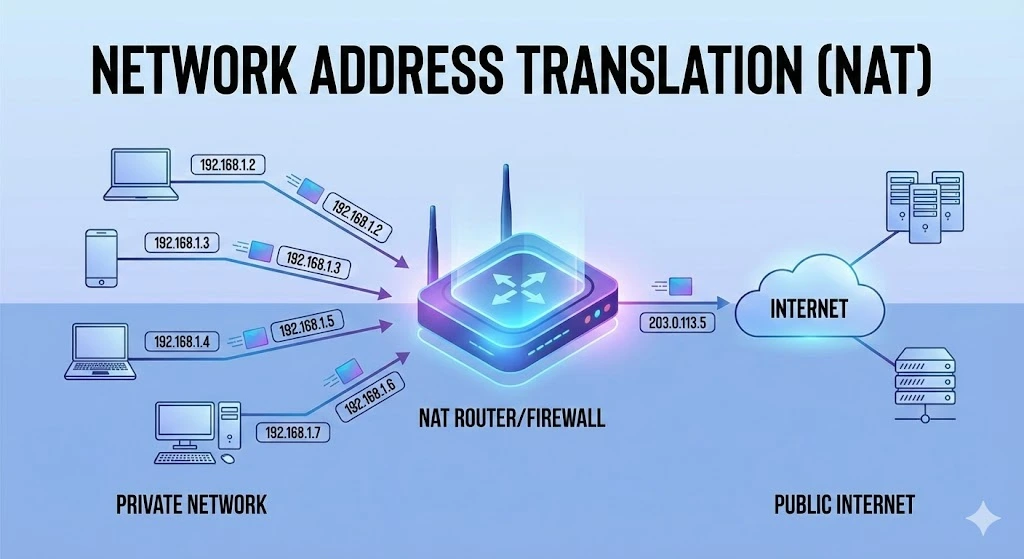
En las redes informáticas, gestionar las direcciones IP de forma eficiente es fundamental para garantizar una comunicación fluida entre los dispositivos. Una de las tecnologías clave que ha surgido para afrontar este desafío es la Traducción de Direcciones de Red (NAT, por sus siglas en inglés). En este artículo explicamos qué es NAT, cómo funciona, sus distintos tipos, así como sus ventajas y limitaciones. ¿Qué es la traducción deRead more Related Posts Desbloqueando la privacidad digital con una red privada virtual (VPN) ¿Qué es una VPN? Una red privada virtual (VPN) es una tecnología que permite a los usuarios crear una conexión Comprensión de la traducción de direcciones de red (NAT) En las redes informáticas, gestionar las direcciones IP de forma eficiente es fundamental para garantizar una comunicación fluida entre los ¿Por qué Malasia se está convirtiendo en un centro neurálgico para la infraestructura de nube e IA? Malasia se está convirtiendo en uno de los mercados de crecimiento de centros de datos más importantes del Sudeste Asiático. .related-post {} .related-post .post-list { text-align: left; } .related-post .post-list .item { margin: 5px; padding: 10px; } .related-post .headline { font-size: 18px !important; color: #999999 !important; } .related-post .post-list .item .post_thumb { max-height: 220px; margin: 10px 0px; padding: 0px; display: block; } .related-post .post-list .item .post_title { font-size: 16px; color: #3f3f3f; margin: 10px 0px; padding: 0px; display: block; text-decoration: none; } .related-post .post-list .item .post_excerpt { font-size: 13px; color: #3f3f3f; margin: 10px 0px; padding: 0px; display: block; text-decoration: none; } @media only screen and (min-width: 1024px) { .related-post .post-list .item { width: 30%; } } @media only screen and (min-width: 768px) and (max-width: 1023px) { .related-post .post-list .item { width: 90%; } } @media only screen and (min-width: 0px) and (max-width: 767px) { .related-post .post-list .item { width: 90%; } }
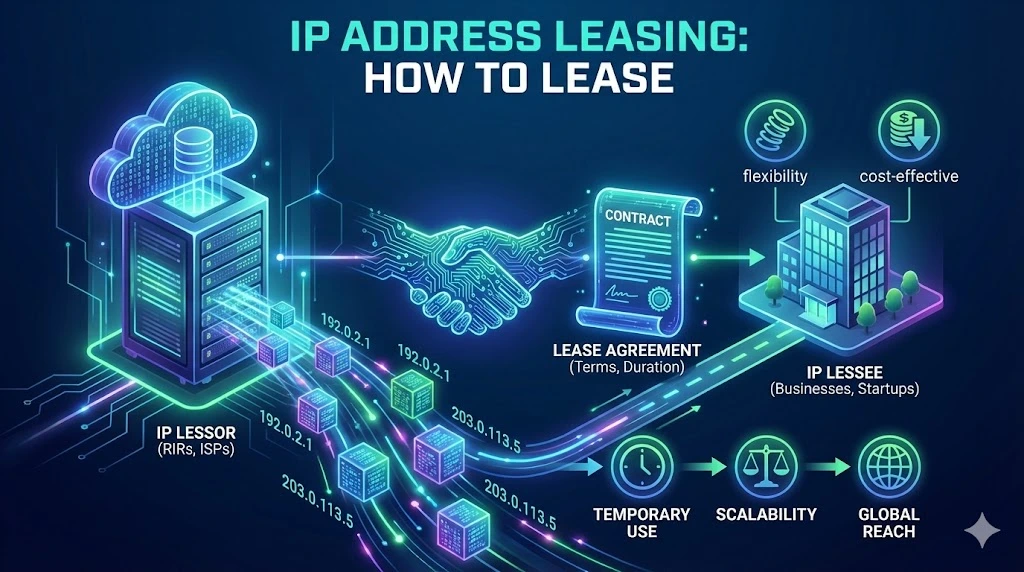
Arrendamiento de direcciones IP: Cómo arrendar direcciones IP
El mundo digital en el que nos movemos hoy depende en gran medida de las direcciones IP, identificadores únicos asignados a los dispositivos conectados a internet o a una red local. A medida que la demanda de direcciones IP sigue aumentando, empresas y particulares exploran diversas opciones para obtener los recursos necesarios. Un método cada vez más popular es el arrendamiento de direcciones IP. Este artículo profundiza en elRead more Related Posts Desbloqueando la privacidad digital con una red privada virtual (VPN) ¿Qué es una VPN? Una red privada virtual (VPN) es una tecnología que permite a los usuarios crear una conexión Comprensión de la traducción de direcciones de red (NAT) En las redes informáticas, gestionar las direcciones IP de forma eficiente es fundamental para garantizar una comunicación fluida entre los ¿Por qué Malasia se está convirtiendo en un centro neurálgico para la infraestructura de nube e IA? Malasia se está convirtiendo en uno de los mercados de crecimiento de centros de datos más importantes del Sudeste Asiático. .related-post {} .related-post .post-list { text-align: left; } .related-post .post-list .item { margin: 5px; padding: 10px; } .related-post .headline { font-size: 18px !important; color: #999999 !important; } .related-post .post-list .item .post_thumb { max-height: 220px; margin: 10px 0px; padding: 0px; display: block; } .related-post .post-list .item .post_title { font-size: 16px; color: #3f3f3f; margin: 10px 0px; padding: 0px; display: block; text-decoration: none; } .related-post .post-list .item .post_excerpt { font-size: 13px; color: #3f3f3f; margin: 10px 0px; padding: 0px; display: block; text-decoration: none; } @media only screen and (min-width: 1024px) { .related-post .post-list .item { width: 30%; } } @media only screen and (min-width: 768px) and (max-width: 1023px) { .related-post .post-list .item { width: 90%; } } @media only screen and (min-width: 0px) and (max-width: 767px) { .related-post .post-list .item { width: 90%; } }
¿Qué es el agotamiento de direcciones IPv4?
IPv4 es la versión inicial del Protocolo de Internet (IP), capaz de generar 4.300 millones de posibles direcciones IPv4. Sin embargo, muchas de estas direcciones están reservadas para fines específicos, como investigación y desarrollo. Esto deja un conjunto limitado disponible para organizaciones e individuos en todo el mundo. Con el crecimiento exponencial de Internet, la demanda de direcciones IPv4 se ha disparado. Esto provocó una rápida disminución de lasRead more Related Posts Desbloqueando la privacidad digital con una red privada virtual (VPN) ¿Qué es una VPN? Una red privada virtual (VPN) es una tecnología que permite a los usuarios crear una conexión Comprensión de la traducción de direcciones de red (NAT) En las redes informáticas, gestionar las direcciones IP de forma eficiente es fundamental para garantizar una comunicación fluida entre los Arrendamiento de direcciones IP: Cómo arrendar direcciones IP El mundo digital en el que nos movemos hoy depende en gran medida de las direcciones IP, identificadores únicos asignados .related-post {} .related-post .post-list { text-align: left; } .related-post .post-list .item { margin: 5px; padding: 10px; } .related-post .headline { font-size: 18px !important; color: #999999 !important; } .related-post .post-list .item .post_thumb { max-height: 220px; margin: 10px 0px; padding: 0px; display: block; } .related-post .post-list .item .post_title { font-size: 16px; color: #3f3f3f; margin: 10px 0px; padding: 0px; display: block; text-decoration: none; } .related-post .post-list .item .post_excerpt { font-size: 13px; color: #3f3f3f; margin: 10px 0px; padding: 0px; display: block; text-decoration: none; } @media only screen and (min-width: 1024px) { .related-post .post-list .item { width: 30%; } } @media only screen and (min-width: 768px) and (max-width: 1023px) { .related-post .post-list .item { width: 90%; } } @media only screen and (min-width: 0px) and (max-width: 767px) { .related-post .post-list .item { width: 90%; } }
