ما هو نظام أسماء النطاقات، DNS؟
 Chan
Chanيمثل نظام أسماء النطاقات (DNS) عنصراً أساسياً يدعم الاتصال السلس وإمكانية الوصول عبر الشبكات الرقمية. بينما يتنقل المستخدمون عبر الإنترنت باستخدام أسماء النطاقات المألوفة، مثل google.com أو facebook.com، يقوم نظام أسماء النطاقات بهدوء خلف الكواليس بالمهمة الحيوية المتمثلة في ترجمة أسماء النطاقات التي يمكن للبشر قراءتها إلى عناوين IP يمكن للآلة قراءتها، مما يسهل تدفق حزم البيانات عبر الشبكة العالمية. دعونا نكشف عن ماهية نظام أسماء النطاقات ونستكشف دوره في تمكين شبكة الويب العالمية.
Table of Contents
أدوار DNS: ترجمة أسماء النطاقات إلى عناوين IP
يعمل نظام DNS كنظام دليل موزع يقوم بتعيين أسماء النطاقات إلى عناوين IP المقابلة لها، مما يسمح للمستخدمين بالوصول إلى مواقع الويب وإرسال رسائل البريد الإلكتروني والتواصل عبر الإنترنت باستخدام معرّفات مألوفة وذات مغزى.
وتتضمن هذه العملية، المعروفة باسم حل DNS، بنية هرمية من خوادم DNS، كل منها مسؤول عن نطاق أو منطقة معينة، وتشكل مجتمعةً التسلسل الهرمي لنظام أسماء النطاقات. عندما يقوم المستخدم بإدخال اسم نطاق في متصفح الويب أو أي تطبيق آخر يدعم الشبكة، يقوم محلل DNS بالاستعلام عن البنية التحتية لنظام أسماء النطاقات للحصول على عنوان IP المقابل، مما يتيح الاتصال السلس وإمكانية الوصول إلى الموارد عبر الإنترنت.
فهم التسلسل الهرمي لنظام أسماء النطاقات: طبقات السلطة والقرار
يتألف التسلسل الهرمي لنظام أسماء النطاقات من طبقات متعددة من السلطة والدقة، كل منها يخدم دورًا محددًا في عملية حل أسماء النطاقات. في أعلى التسلسل الهرمي توجد خوادم DNS الجذرية، والتي تحتفظ بالسجلات الموثوقة للمنطقة الجذرية لمساحة أسماء DNS. أسفل الخوادم الجذرية توجد خوادم نطاقات المستوى الأعلى (TLD)، المسؤولة عن إدارة أسماء النطاقات ضمن نطاقات TLD محددة مثل .com أو .org أو .net. في أسفل التسلسل الهرمي توجد خوادم DNS الموثوقة، والتي تحتفظ بسجلات موثوقة لأسماء النطاقات الفردية أو المناطق، وتوفر خدمات الحل لمحللي DNS والعملاء.
دور محللي DNS: الربط بين المستخدمين والبنية التحتية لنظام أسماء النطاقات
تلعب محاليل DNS، والمعروفة أيضًا باسم المحاليل العودية، دورًا حاسمًا في عملية حل DNS من خلال العمل كوسطاء بين المستخدمين والبنية التحتية لنظام أسماء النطاقات. عندما يبدأ المستخدم الاستعلام عن DNS عن طريق إدخال اسم نطاق في متصفح الويب، يبدأ المُحلِّل عملية الحل عن طريق الاستعلام عن خوادم DNS الجذرية للحصول على الخوادم الموثوقة المسؤولة عن النطاق المطلوب.
من خلال الاستعلامات التكرارية، يجتاز المُحلِّل التسلسل الهرمي لنظام أسماء النطاقات (DNS)، ويحل أسماء النطاقات ويحصل على عناوين IP المقابلة حتى يصل إلى الخادم الموثوق للنطاق المطلوب. وبمجرد الحصول على عنوان IP، يقوم المُحلِّل بتخزين النتيجة مؤقتًا للاستخدام المستقبلي، مما يؤدي إلى تحسين الأداء وتقليل زمن الاستجابة للاستعلامات اللاحقة.
أمن نظام أسماء النطاقات ومرونته: التخفيف من التهديدات وضمان الموثوقية
بالإضافة إلى تيسير حل أسماء النطاقات، يلعب نظام أسماء النطاقات دوراً حاسماً في ضمان أمن ومرونة الاتصالات عبر الإنترنت. وتوفر آليات أمان نظام أسماء النطاقات، مثل امتدادات أمان نظام أسماء النطاقات (DNSSEC)، المصادقة المشفرة والتحقق من سلامة استجابات نظام أسماء النطاقات، مما يقلل من مخاطر انتحال أسماء النطاقات وتسميم ذاكرة التخزين المؤقت والهجمات الضارة الأخرى. علاوةً على ذلك، يستخدم نظام أسماء النطاقات آليات التكرار والتحمّل للأعطال، مثل التوجيه بالبث الآلي وموازنة التحميل المستندة إلى نظام أسماء النطاقات، لضمان موثوقية خدمات نظام أسماء النطاقات وتوافرها، حتى في مواجهة تعطل الشبكة أو الهجمات المستهدفة.
الخاتمة: وظائف نظام أسماء النطاقات في التواصل عبر الإنترنت
يُعد نظام أسماء النطاقات (DNS) بمثابة حجر الزاوية في الاتصال بالإنترنت، حيث يمكّن المستخدمين من التنقل عبر الويب باستخدام أسماء النطاقات المألوفة ويسهّل الاتصال السلس وإمكانية الوصول عبر الشبكات الرقمية. يضمن نظام أسماء النطاقات، من خلال هيكله الهرمي وعملية الحل وآليات الأمان، ترجمة موثوقة وفعالة لأسماء النطاقات إلى عناوين IP، مما يمكّن الأفراد والشركات والمجتمعات من الاستفادة من الإمكانات الكاملة لعالم الفضاء الإلكتروني المترابط. ومع استمرار تطور الإنترنت وتوسعه، يظل دور نظام أسماء النطاقات لا غنى عنه، حيث يقود الابتكار والاتصال في العصر الرقمي.
Artículos relacionados
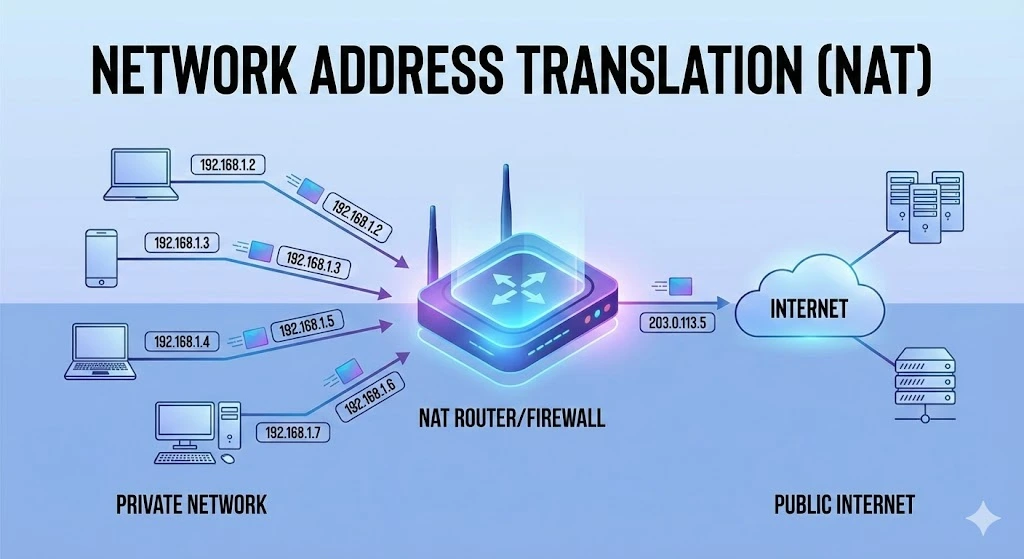
Comprensión de la traducción de direcciones de red (NAT)
En las redes informáticas, gestionar las direcciones IP de forma eficiente es fundamental para garantizar una comunicación fluida entre los dispositivos. Una de las tecnologías clave que ha surgido para afrontar este desafío es la Traducción de Direcciones de Red (NAT, por sus siglas en inglés). En este artículo explicamos qué es NAT, cómo funciona, sus distintos tipos, así como sus ventajas y limitaciones. ¿Qué es la traducción deRead more Related Posts Desbloqueando la privacidad digital con una red privada virtual (VPN) ¿Qué es una VPN? Una red privada virtual (VPN) es una tecnología que permite a los usuarios crear una conexión Comprensión de la traducción de direcciones de red (NAT) En las redes informáticas, gestionar las direcciones IP de forma eficiente es fundamental para garantizar una comunicación fluida entre los ¿Por qué Malasia se está convirtiendo en un centro neurálgico para la infraestructura de nube e IA? Malasia se está convirtiendo en uno de los mercados de crecimiento de centros de datos más importantes del Sudeste Asiático. .related-post {} .related-post .post-list { text-align: left; } .related-post .post-list .item { margin: 5px; padding: 10px; } .related-post .headline { font-size: 18px !important; color: #999999 !important; } .related-post .post-list .item .post_thumb { max-height: 220px; margin: 10px 0px; padding: 0px; display: block; } .related-post .post-list .item .post_title { font-size: 16px; color: #3f3f3f; margin: 10px 0px; padding: 0px; display: block; text-decoration: none; } .related-post .post-list .item .post_excerpt { font-size: 13px; color: #3f3f3f; margin: 10px 0px; padding: 0px; display: block; text-decoration: none; } @media only screen and (min-width: 1024px) { .related-post .post-list .item { width: 30%; } } @media only screen and (min-width: 768px) and (max-width: 1023px) { .related-post .post-list .item { width: 90%; } } @media only screen and (min-width: 0px) and (max-width: 767px) { .related-post .post-list .item { width: 90%; } }
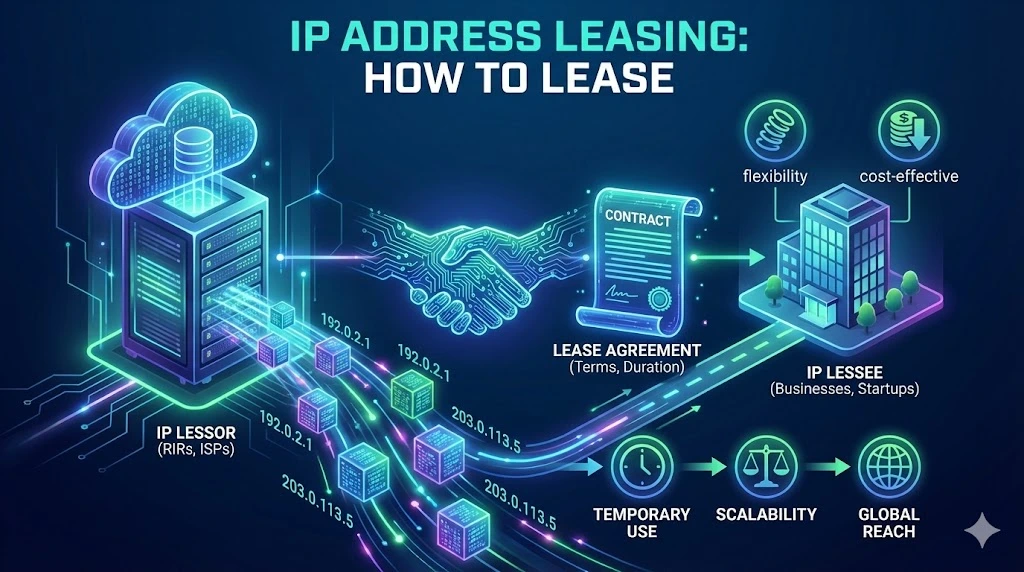
Arrendamiento de direcciones IP: Cómo arrendar direcciones IP
El mundo digital en el que nos movemos hoy depende en gran medida de las direcciones IP, identificadores únicos asignados a los dispositivos conectados a internet o a una red local. A medida que la demanda de direcciones IP sigue aumentando, empresas y particulares exploran diversas opciones para obtener los recursos necesarios. Un método cada vez más popular es el arrendamiento de direcciones IP. Este artículo profundiza en elRead more Related Posts Desbloqueando la privacidad digital con una red privada virtual (VPN) ¿Qué es una VPN? Una red privada virtual (VPN) es una tecnología que permite a los usuarios crear una conexión Comprensión de la traducción de direcciones de red (NAT) En las redes informáticas, gestionar las direcciones IP de forma eficiente es fundamental para garantizar una comunicación fluida entre los ¿Por qué Malasia se está convirtiendo en un centro neurálgico para la infraestructura de nube e IA? Malasia se está convirtiendo en uno de los mercados de crecimiento de centros de datos más importantes del Sudeste Asiático. .related-post {} .related-post .post-list { text-align: left; } .related-post .post-list .item { margin: 5px; padding: 10px; } .related-post .headline { font-size: 18px !important; color: #999999 !important; } .related-post .post-list .item .post_thumb { max-height: 220px; margin: 10px 0px; padding: 0px; display: block; } .related-post .post-list .item .post_title { font-size: 16px; color: #3f3f3f; margin: 10px 0px; padding: 0px; display: block; text-decoration: none; } .related-post .post-list .item .post_excerpt { font-size: 13px; color: #3f3f3f; margin: 10px 0px; padding: 0px; display: block; text-decoration: none; } @media only screen and (min-width: 1024px) { .related-post .post-list .item { width: 30%; } } @media only screen and (min-width: 768px) and (max-width: 1023px) { .related-post .post-list .item { width: 90%; } } @media only screen and (min-width: 0px) and (max-width: 767px) { .related-post .post-list .item { width: 90%; } }
¿Qué es el agotamiento de direcciones IPv4?
IPv4 es la versión inicial del Protocolo de Internet (IP), capaz de generar 4.300 millones de posibles direcciones IPv4. Sin embargo, muchas de estas direcciones están reservadas para fines específicos, como investigación y desarrollo. Esto deja un conjunto limitado disponible para organizaciones e individuos en todo el mundo. Con el crecimiento exponencial de Internet, la demanda de direcciones IPv4 se ha disparado. Esto provocó una rápida disminución de lasRead more Related Posts Desbloqueando la privacidad digital con una red privada virtual (VPN) ¿Qué es una VPN? Una red privada virtual (VPN) es una tecnología que permite a los usuarios crear una conexión Comprensión de la traducción de direcciones de red (NAT) En las redes informáticas, gestionar las direcciones IP de forma eficiente es fundamental para garantizar una comunicación fluida entre los Arrendamiento de direcciones IP: Cómo arrendar direcciones IP El mundo digital en el que nos movemos hoy depende en gran medida de las direcciones IP, identificadores únicos asignados .related-post {} .related-post .post-list { text-align: left; } .related-post .post-list .item { margin: 5px; padding: 10px; } .related-post .headline { font-size: 18px !important; color: #999999 !important; } .related-post .post-list .item .post_thumb { max-height: 220px; margin: 10px 0px; padding: 0px; display: block; } .related-post .post-list .item .post_title { font-size: 16px; color: #3f3f3f; margin: 10px 0px; padding: 0px; display: block; text-decoration: none; } .related-post .post-list .item .post_excerpt { font-size: 13px; color: #3f3f3f; margin: 10px 0px; padding: 0px; display: block; text-decoration: none; } @media only screen and (min-width: 1024px) { .related-post .post-list .item { width: 30%; } } @media only screen and (min-width: 768px) and (max-width: 1023px) { .related-post .post-list .item { width: 90%; } } @media only screen and (min-width: 0px) and (max-width: 767px) { .related-post .post-list .item { width: 90%; } }
