Standfirst — As IPv4 remains scarce, some nations show particularly strong demand for legacy IP resources. Knowing which helps guide leasing or acquisition strategies.
Table of Contents
- The United States, China, Japan, Germany and the UK are the top nations demanding IPv4, reflecting both legacy allocation and continuing pressure to support IPv4-only services.
- For organisations using i.Lease, focusing on these high-demand markets is key — competition is fierce, but so is the value of clean, compliant IPv4 space.
What “IPv4 demand” means — and why it matters
When we talk about “IPv4 demand,” we refer to the pressure on the finite pool of IPv4 addresses — how many organisations, data centres and ISPs are seeking IPv4 blocks for hosting, legacy support, VPNs, proxy services, or to ensure compatibility. Demand spikes when IPv6 adoption lags, legacy services remain IPv4-only, or new infrastructure requires routable IPv4 addresses.
Because IPv4 is a finite resource and globally exhausted, demand and supply drive a secondary market of IPv4 leasing, transfers, and brokerage. For platforms such as i.Lease, understanding which countries lead demand helps to price, allocate and manage inventory strategically.
Recent market analyses indicate that as demand remains elevated and supply tightens, the average cost of leasing IPv4 has remained stable but active — signalling on-going competition for address space, especially among small and mid-size providers.
Methodology: How we identify “top demand” countries
To compile the list of top IPv4–demand countries in 2025, we consider a combination of: global allocations, recent leasing and transfer data, market activity in IPv4 subnets, and regional hosting/ISP demand reflected in secondary-market metrics. We draw from public datasets of IPv4 allocation by country, and from market-trend reports covering leasing and trading activity.
While allocation doesn’t map perfectly to demand, high-allocation countries typically show higher utilisation, frequent subnet turnover, and larger private sector infrastructure — all indicators of demand. Secondary-market data helps highlight where demand continues to outpace supply.
The result: a current view of which countries are most aggressively seeking IPv4 resources in 2025.
#1 United States — still dominating IPv4 demand
The United States leads the world in IPv4 allocation and demand. With over 1.2 billion IPv4 addresses allocated, it accounts for a substantial share of global address space.
This allocation reflects both legacy assignments and ongoing demand. US-based data centres, content delivery networks, VPN providers, cloud hosting services and legacy enterprise systems all contribute to continuous demand for IPv4. The licensing and leasing market remains robust; smaller providers especially compete heavily for /24–/19 subnets, driving stable pricing and high utilisation.
For any organisation looking to acquire IPv4 via i.Lease, the US market remains critical — but also highly competitive. Clean, well-documented IPv4 blocks are in demand, and providers must be ready for rapid acquisition when subnets become available.
#2 China — rising demand amid growth and legacy constraints
China ranks second in total allocated IPv4 addresses: per global data, the country holds upwards of 350 million IPv4 addresses.
Though IPv6 adoption efforts have been ongoing, large parts of Chinese Internet infrastructure — especially legacy systems, enterprise networks, and hosting providers — remain IPv4-dependent. With continued expansion of online services, cloud hosting and mobile networks, demand remains strong.
Secondary-market data also shows active leasing and transfers involving Chinese entities, often seeking mid-size subnets to support new services. As IPv4 availability tightens globally, Chinese providers are increasingly turning to leasing platforms like i.Lease to satisfy demand.
#3 Japan — high allocation and constrained new supply
Japan holds a large share of global IPv4 allocations, with over 200 million addresses historically assigned.
With advanced infrastructure, high Internet penetration, and many legacy services, Japanese demand remains steady. Hosting providers, legacy enterprises, and ISPs maintaining legacy connectivity continue to require IPv4 blocks. Moreover, regional and global compliance requirements for some services mean IPv4 remains crucial.
As global IPv4 supply shrinks, Japanese demand is likely to drive more leasing and reuse of existing blocks — positioning Japan among the top demand countries in 2025.
#4 Germany — Europe’s demand focal point
Germany emerges as the highest-demand European country for IPv4. With more than 130 million addresses allocated, Germany has both historical legacy space and modern demand from data hosting, privacy-focused services, and enterprise infrastructure.
Market reports of IPv4 leasing and transfer activity show that European entities — including German firms — remain active, especially for smaller subnets suitable for regional hosting or content-delivery services.
Given regulatory requirements, data-residency needs, and demand for stable IPv4 connectivity for legacy clients, Germany represents a critical European hub in the IPv4 demand landscape.
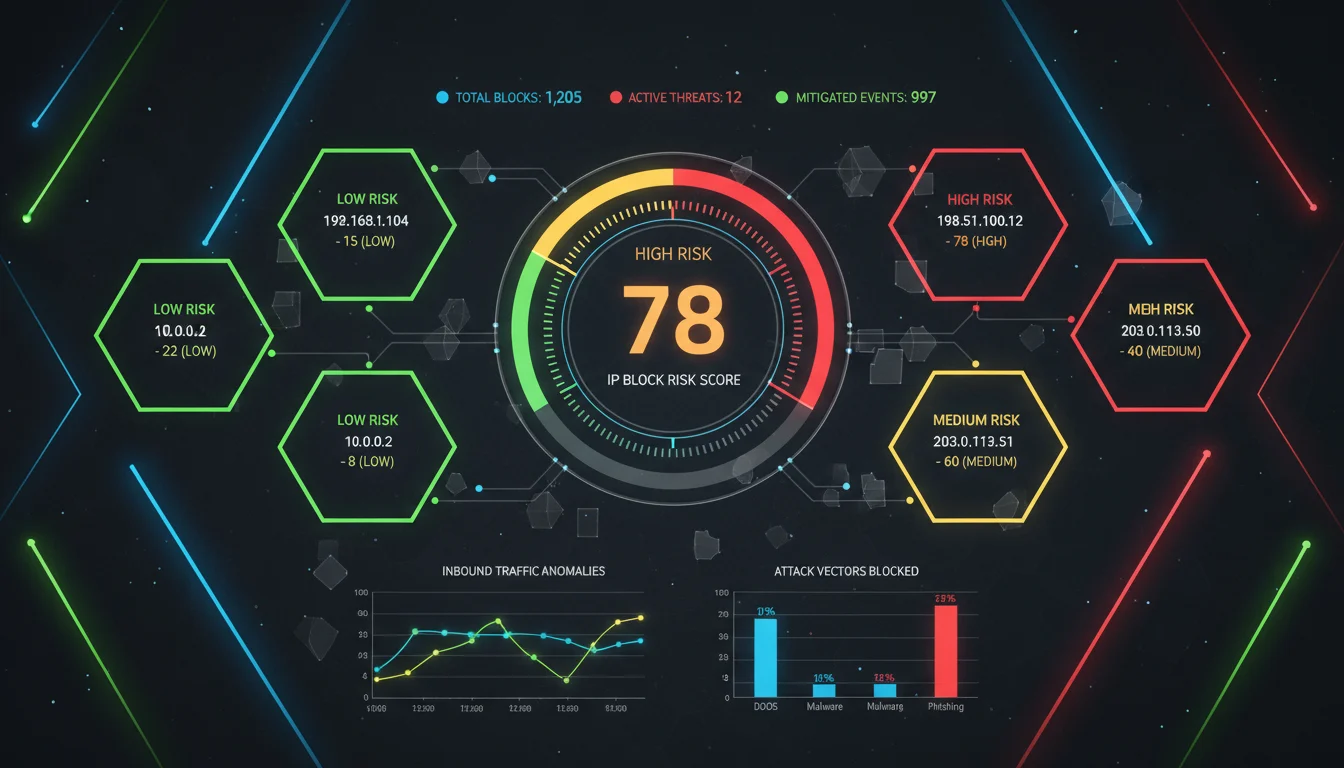
An IP with a poor reputation can disrupt email delivery, block website access, and undermine customer trust. For businesses, this translates into lost revenue, failed customer acquisition, and operational bottlenecks—especially in sensitive industries like banking and healthcare. Repairing a damaged IP reputation is a time-consuming process involving malware removal, strengthened security, and improved sending practices. Even then, it can take weeks or months to fully restore trust, during which careful monitoring is essential to prevent further losses.
-Dr. Evelyn Shaw, Cybersecurity and Network Infrastructure Specialist
#5 United Kingdom — legacy allocations and ongoing need
Rounding out the top five is the United Kingdom, with over 120 million IPv4 addresses allocated historically.
Despite vigorous IPv6 promotion, many UK-based hosting providers, legacy enterprises and ISPs continue to depend heavily on IPv4. Because of global scarcity, acquisition of new IPv4 blocks is challenging — driving UK firms towards leasing and secondary-market solutions. Data indicates that UK entities rank among the top lessees in international IPv4 leasing platforms, especially for small-size subnets.
For organisations browsing i.Lease’s offerings, UK demand signals both opportunity and competition — making timing and clarity in leasing negotiations especially important.

Why these countries dominate demand — structural factors
Legacy allocations and early infrastructure deployment
Many of these nations received large IPv4 allocations during early internet growth phases. That historical advantage laid the groundwork for abundant legacy hardware, legacy services and large network footprints — all demanding IPv4 continuity.
High internet penetration and mature digital economies
Countries with advanced economies, broad broadband penetration, cloud providers, content-delivery networks, and IoT deployments have higher IP needs. High-traffic services, hosting, streaming, VPNs and enterprise services all drive IPv4 demand.
Slow or partial IPv6 adoption
In many regions, IPv6 adoption remains partial. Legacy services, enterprise environments, backward-compatible applications and client compatibility issues delay full migration — meaning IPv4 remains critical even in 2025.
Regulatory and compliance constraints
Some services — especially those involving legacy clients, enterprise software, or compliance obligations — require stable IPv4 connectivity. This further sustains demand despite IPv6 availability.
What this means for i.Lease users and the global IPv4 market
For users of i.Lease, knowing which countries lead IPv4 demand helps guide leasing and acquisition strategies. Because demand is concentrated in countries like the US, China, Japan, Germany and the UK, organisations seeking IPv4 blocks must expect competition — especially for small- to mid-size subnets, which are most versatile.
According to recent market reports, demand for /24–/22 subnets remains steady, driven by hosting providers, VPN and proxy services, and content-delivery networks.
As supply remains constrained, the leasing market is likely to stay active, prices may firm, and timing becomes critical. Users should prioritise clean, well-documented IPv4 blocks, avoid blacklisted ranges, and consider strategic hybrid models with IPv6 where possible.
For the global IPv4 market, these demand patterns highlight structural imbalance: a few countries continue to hold large allocations and high demand, while many regions — especially in developing economies — face legacy scarcity, limiting their ability to launch IPv4-dependent infrastructure
In today’s cloud landscape, providers like AWS, Azure, and Google Cloud shape the reputation of IP addresses. While new IPs can start 'clean,' shared subnets mean the missteps of one user can impact many. To protect business operations, cloud users should prioritize dedicated IPs, maintain clean virtual machines, and actively monitor reputation shifts. Effective IP reputation management in the cloud demands vigilance, proactive measures, and continuous attention
– Alex Mercer, Cloud Security Specialist
Challenges and uncertainties in measuring IPv4 demand by country
While allocation and leasing data provide insight, “demand” remains hard to measure precisely. Allocation does not always reflect active use — some IPv4 blocks may sit unused, reserved, or unadvertised. A recent academic study found that active IPv4 addresses vary over time — with as much as 25% annual churn, reflecting dynamic reassignment, retirement, or reuse.
Moreover, the total number of unique devices behind each public IPv4 may vary — due to NAT, proxies, shared hosting or carrier-grade NAT (CGN). As one recent analysis by a major CDN noted, the global IPv4 count has stagnated, while IPv6 usage has grown — complicating demand-based forecasting.
Finally, external factors — regulatory changes, regional IPv6 push, pricing shifts, global trade rules — may rapidly shift demand, making any ranking of top-demand countries provisional rather than definitive.
Conclusion
In 2025, the countries with the highest demand for IPv4 remain largely those with historically large allocations and mature internet economies: the United States, China, Japan, Germany and the United Kingdom. Their demand is driven by legacy services, hosting providers, enterprise infrastructure and ongoing IPv4 dependence.
For users of i.Lease, this concentration of demand presents both opportunity and challenge. Clean, well-managed address blocks in these regions are valuable — but competitive. Timing, transparency, and due diligence matter more than ever.
As the IPv4 market continues to tighten and IPv6 adoption gradually increases, savvy organisations will treat IPv4 as a strategic but finite resource — leveraging leasing or acquisition where needed, but also planning for long-term infrastructure evolution.
Frequently Asked Questions
1. Does “allocated IPv4 addresses” equal “active demand”?
Not always. Allocation indicates how many addresses are assigned to a country or registry, but many may be unused, reserved, or not publicly reachable. Studies show active IPv4 usage fluctuates significantly over time.
2. Why are some countries still so IPv4-heavy despite IPv6 availability?
Because legacy systems, client compatibility, enterprise services, and hosting requirements delay full IPv6 migration. IPv6 adoption remains uneven globally, so IPv4 remains critical for many environments.
3. How does leasing via a platform like i.Lease compare to buying IPv4 blocks?
Leasing offers flexibility, lower upfront cost, and access to blocks on demand — useful when supply is tight. Buying blocks carries higher cost and long-term commitment, but may provide stability. In 2025’s tight market, leasing remains popular for small and mid-size subnets.
4. Could developing countries challenge these top-demand countries soon?
Potentially — but only if IPv6 adoption rises significantly, or if global policies facilitate redistribution or leasing. Right now, IPv4 allocation imbalances and legacy infrastructure make catching up difficult.
5. How can businesses recover a damaged IP reputation?
Recovery starts by identifying and fixing the cause of the problem, such as removing malware or stopping spam. After cleanup, businesses request removal from blacklists and rebuild trust through steady, responsible sending and regular monitoring.