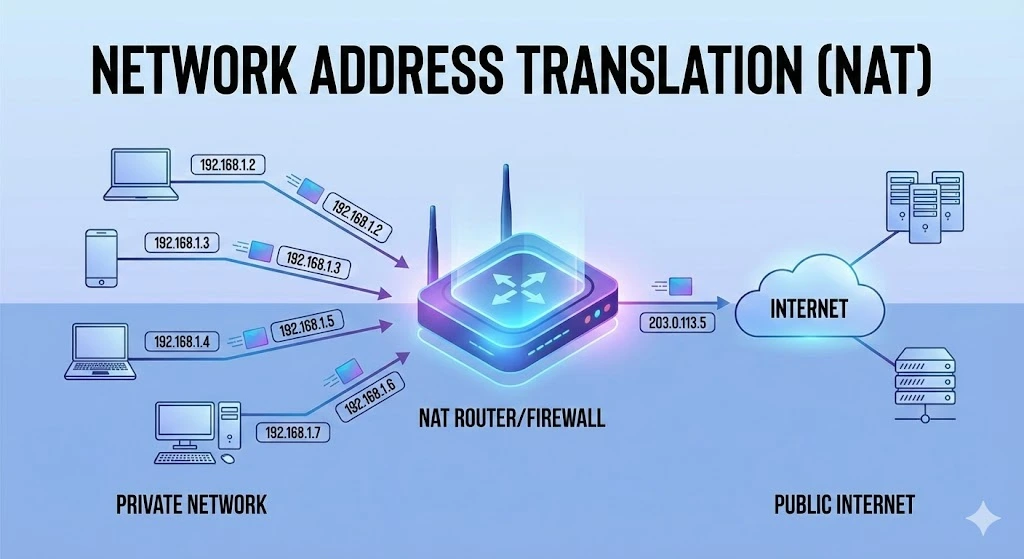
In networking, managing IP addresses efficiently ensures seamless communication between devices. One key technology that has emerged to address this challenge is Network Address Translation (NAT). This article explores what NAT is, how it works, its types, and its benefits and limitations. What is Network Address Translation (NAT)? Network Address Translation (NAT) is a method used in networking to modify network address information in the IP header of packetsRead more

As IPv4 scarcity deepens, carefully drafted lease contracts have become essential tools for managing risk, compliance and long-term network stability.Well-defined Read more
Key points:IPv4 transfer delays are primarily driven by registry policy complexity and incomplete or inconsistent documentation.Early preparation, pre-approval and professional Read more
Standfirst APNIC IPv4 transfers can stall on documentation, timing, and registry hygiene. Preparation, pre-approval, and clean records materially accelerate outcomes. Read more