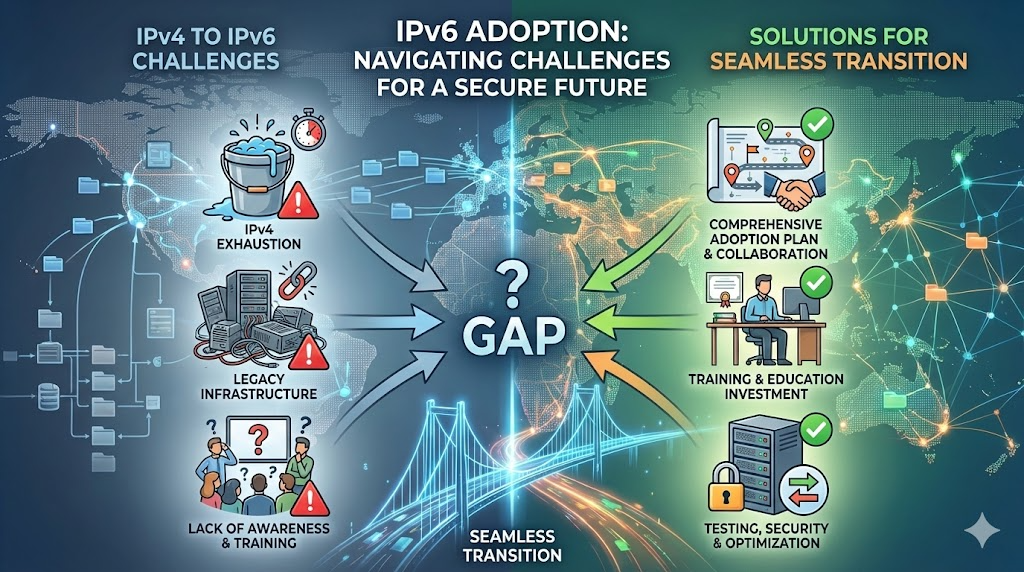
In the rapidly evolving landscape of internet technology, the transition from IPv4 to IPv6 has become an increasingly pressing concern for organizations worldwide. While IPv6 offers numerous advantages over its predecessor, including a vastly expanded address space and enhanced security features, its adoption presents unique challenges and complexities. In this article, we will explore the key challenges associated with IPv6 adoption and provide practical solutions for overcoming them. UnderstandingRead more
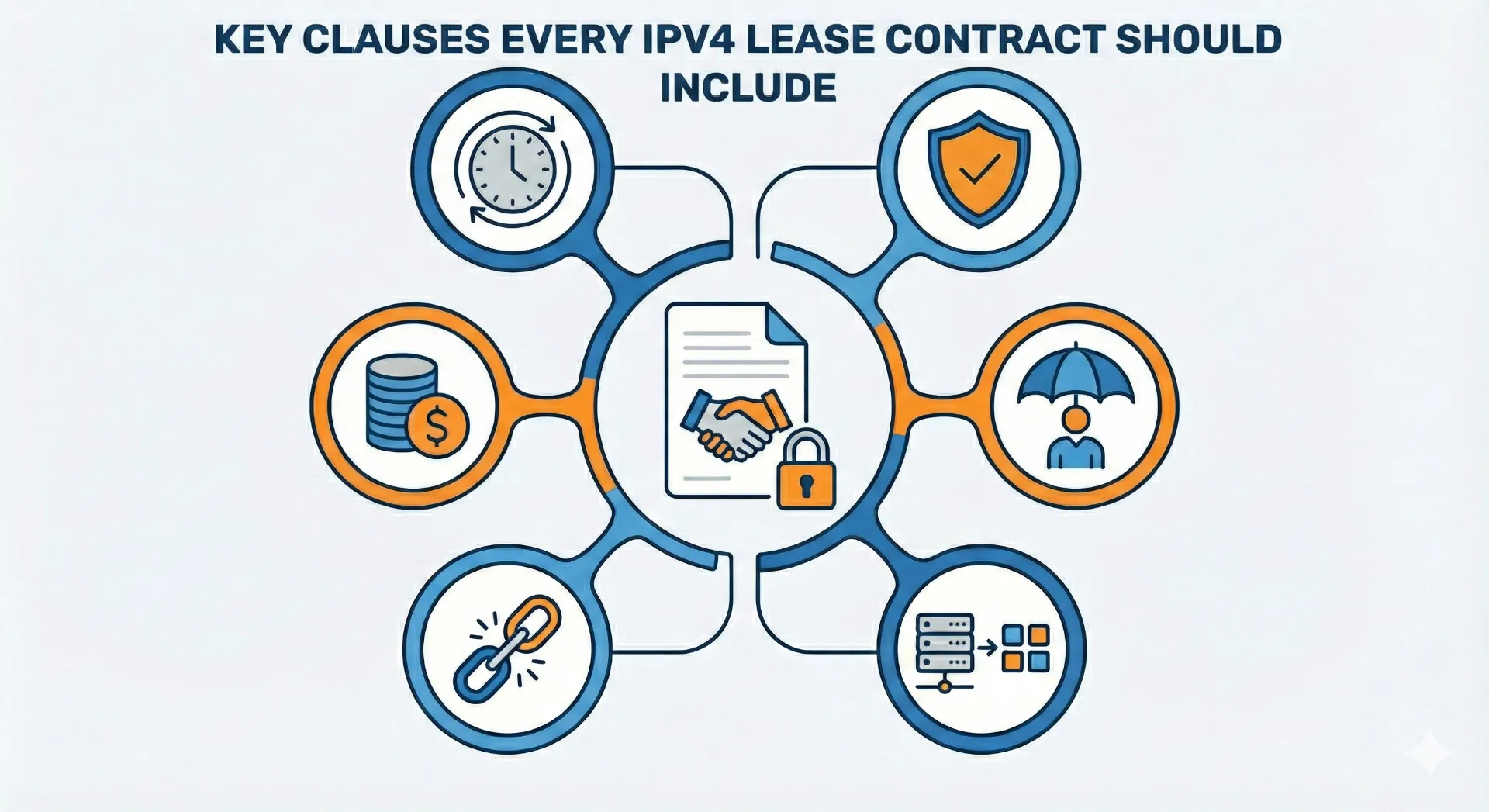
As IPv4 scarcity deepens, carefully drafted lease contracts have become essential tools for managing risk, compliance and long-term network stability.Well-defined Read more
Key points:IPv4 transfer delays are primarily driven by registry policy complexity and incomplete or inconsistent documentation.Early preparation, pre-approval and professional Read more
Standfirst APNIC IPv4 transfers can stall on documentation, timing, and registry hygiene. Preparation, pre-approval, and clean records materially accelerate outcomes. Read more
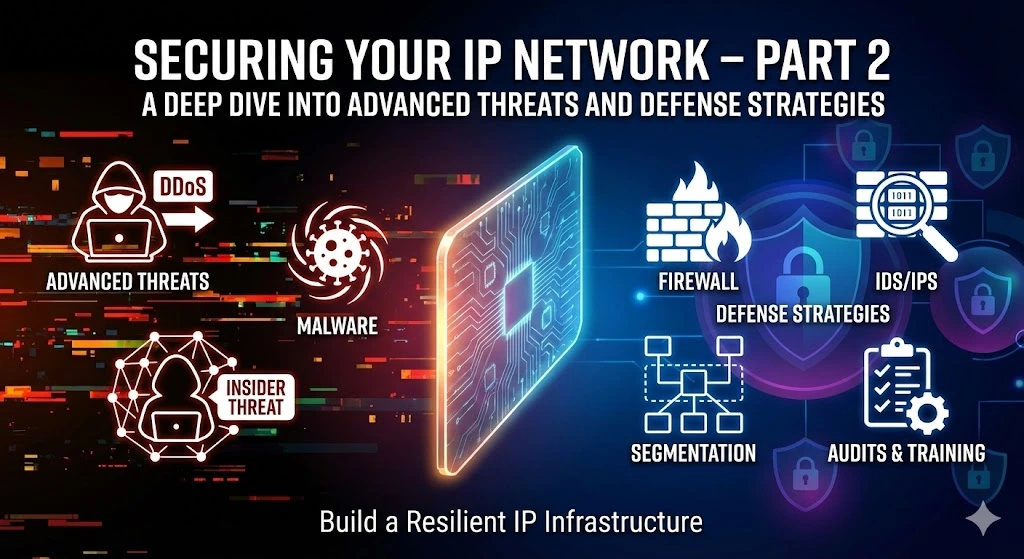
In Part 1 of our series, we explored the importance of securing your IP network and outlined fundamental strategies for enhancing network security. In this instalment, we will delve deeper into the specific measures and best practices for securing your IP addresses and safeguarding your network against cyber threats and unauthorized access. In this article, we will guide you through 6 methods of securing your IP network. ReferRead more
As IPv4 scarcity deepens, carefully drafted lease contracts have become essential tools for managing risk, compliance and long-term network stability.Well-defined Read more
Key points:IPv4 transfer delays are primarily driven by registry policy complexity and incomplete or inconsistent documentation.Early preparation, pre-approval and professional Read more
Standfirst APNIC IPv4 transfers can stall on documentation, timing, and registry hygiene. Preparation, pre-approval, and clean records materially accelerate outcomes. Read more
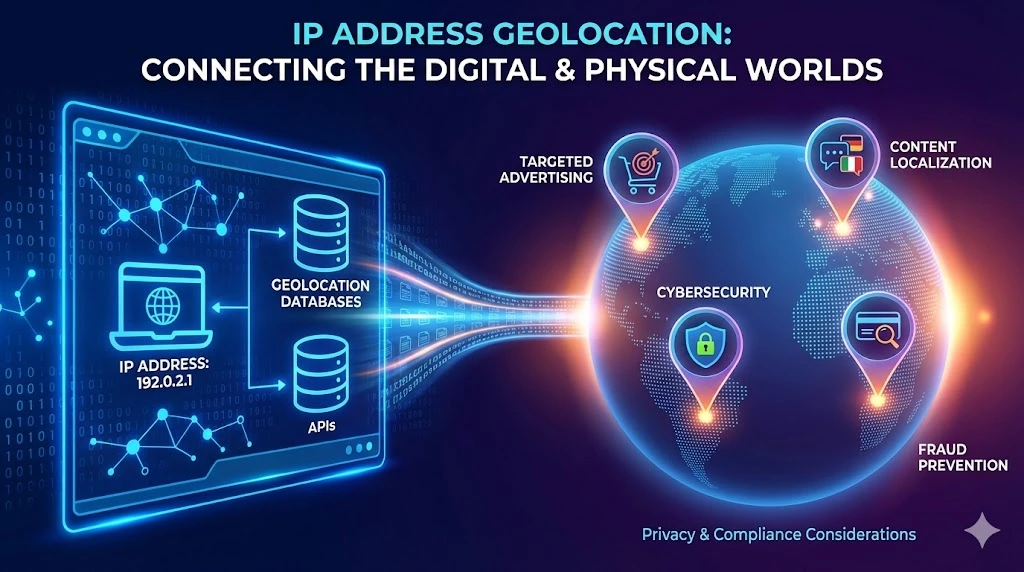
In today’s interconnected world wide web, the ability to determine the geographical location of an IP address has become increasingly important for various applications, ranging from targeted advertising to fraud detection and cybersecurity. In this article, we will explore IP address geolocation, shedding light on its uses, technologies, and potential implications. What is IP address geolocation? IP address geolocation refers to the process of mapping an IP addressRead more
As IPv4 scarcity deepens, carefully drafted lease contracts have become essential tools for managing risk, compliance and long-term network stability.Well-defined Read more
Key points:IPv4 transfer delays are primarily driven by registry policy complexity and incomplete or inconsistent documentation.Early preparation, pre-approval and professional Read more
Standfirst APNIC IPv4 transfers can stall on documentation, timing, and registry hygiene. Preparation, pre-approval, and clean records materially accelerate outcomes. Read more
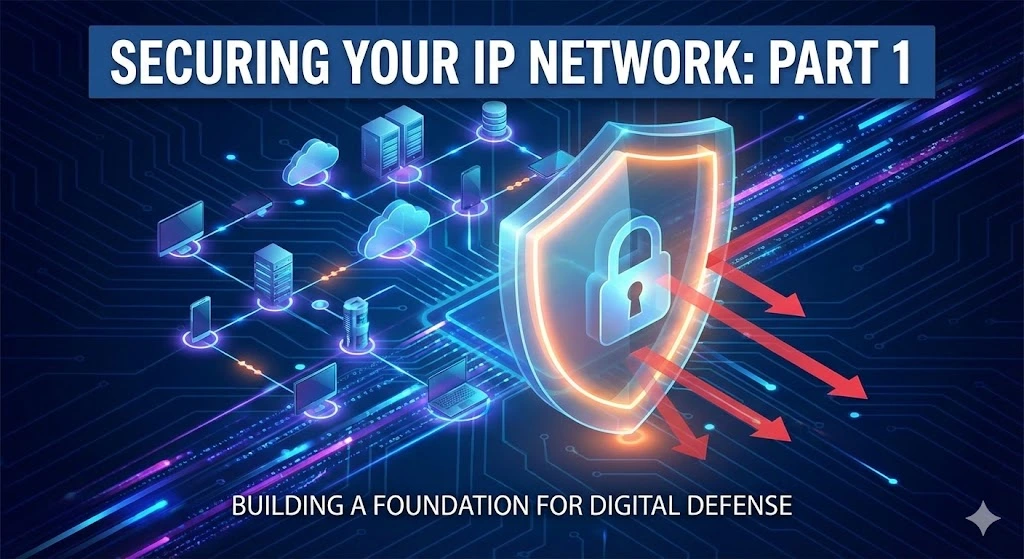
In this tech-driven world, keeping your IP network safe is like locking the doors to your digital house. It’s crucial for protecting your important stuff, keeping things running smoothly, and dodging online troublemakers. As businesses rely more on networks for everything from chats to storing files, beefing up security is vital. So, let’s dive into some simple ways to keep your IP network locked down and fend off thoseRead more
As IPv4 scarcity deepens, carefully drafted lease contracts have become essential tools for managing risk, compliance and long-term network stability.Well-defined Read more
Key points:IPv4 transfer delays are primarily driven by registry policy complexity and incomplete or inconsistent documentation.Early preparation, pre-approval and professional Read more
Standfirst APNIC IPv4 transfers can stall on documentation, timing, and registry hygiene. Preparation, pre-approval, and clean records materially accelerate outcomes. Read more
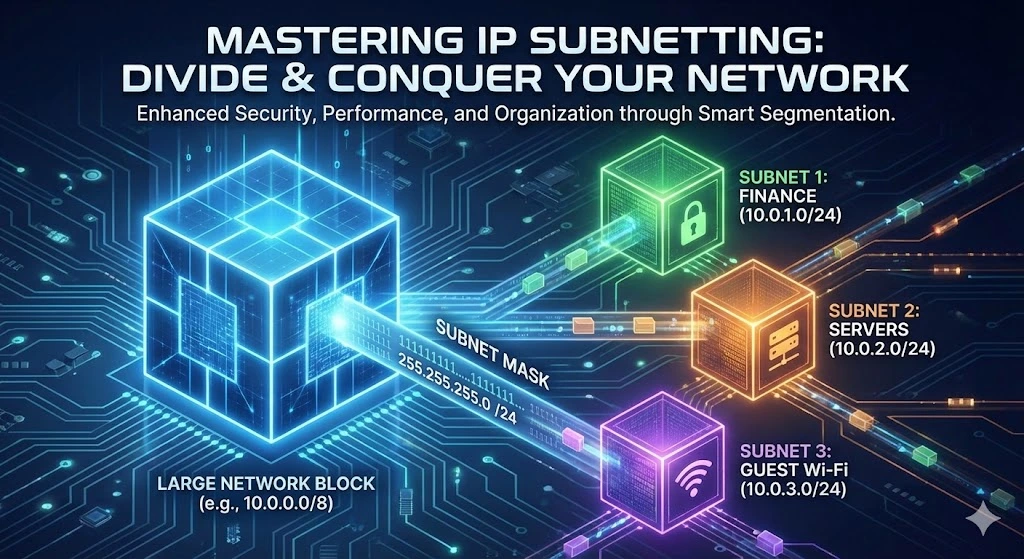
Understanding IP subnetting is essential for designing efficient and scalable networks. Subnetting allows network administrators to divide a single IP address range into smaller, more manageable subnetworks, enabling better organization of network resources and efficient allocation of IP addresses. In this article, we’ll provide a comprehensive introduction to IP subnetting, covering its fundamental concepts, benefits, and practical applications. Before we delve into subnetting, let’s review the basics ofRead more
As IPv4 scarcity deepens, carefully drafted lease contracts have become essential tools for managing risk, compliance and long-term network stability.Well-defined Read more
Key points:IPv4 transfer delays are primarily driven by registry policy complexity and incomplete or inconsistent documentation.Early preparation, pre-approval and professional Read more
Standfirst APNIC IPv4 transfers can stall on documentation, timing, and registry hygiene. Preparation, pre-approval, and clean records materially accelerate outcomes. Read more