- i.Lease offers cost-effective, scalable IPv4 address leasing that avoids large upfront purchases.
- Through clean, verified addresses and ongoing management support, i.Lease reduces risk and accelerates network expansion.
IPv4 scarcity and the rise of leasing
The exhaustion of publicly available IPv4 address space has been a defining issue for network operators and enterprises since the unallocated pool was depleted. Because no new unrestricted IPv4 addresses can be issued by regional internet registries, organisations must now obtain these resources through secondary markets or leasing arrangements. Buying IPv4 blocks outright can involve significant capital outlay, lengthy transfer processes and regulatory complexities. In contrast, leasing provides a more agile, operationally efficient alternative that allows businesses to access necessary IP space without heavy financial commitments.
Table of Contents
Platforms such as i.Lease have emerged to serve this need by delivering verified, reputable addresses on flexible terms. By treating IPv4 leasing as part of modern infrastructure planning, organisations can align network growth with business priorities.
Cost efficiency and flexible financial planning
One of the primary advantages of IPv4 leasing — and of using a specialised provider like i.Lease — is cost efficiency. Secondary market reports indicate that purchasing IPv4 addresses can involve substantial capital expense, with per-address prices rising steadily due to scarcity. By contrast, leasing allows organisations to treat address space as an operational cost, freeing up capital for other strategic uses.
This model is particularly valuable for startups, mid-sized enterprises and project teams with constrained budgets or variable demand. Rather than tying up capital in ownership, leasing through i.Lease enables businesses to scale address usage up or down based on current requirements, helping to preserve working capital and reduce financial risk.
Rapid deployment supports timely growth
Time-to-market matters in digital infrastructure. Traditional IPv4 acquisition — including purchase negotiations, ownership transfers and registry approvals — can delay deployment for weeks or even months. Leasing shortens this timeline considerably. Platforms like i.Lease can provision prepared IPv4 blocks within days, enabling organisations to expand services, enter new markets or respond to demand surges without an extended procurement cycle.
This agility is crucial for use cases such as cloud expansion, DevOps deployments, content distribution or temporary campaigns that require immediate address space. The ability to scale rapidly without extensive lead time gives enterprises a competitive edge.
Access to clean, reputable IPv4 address space
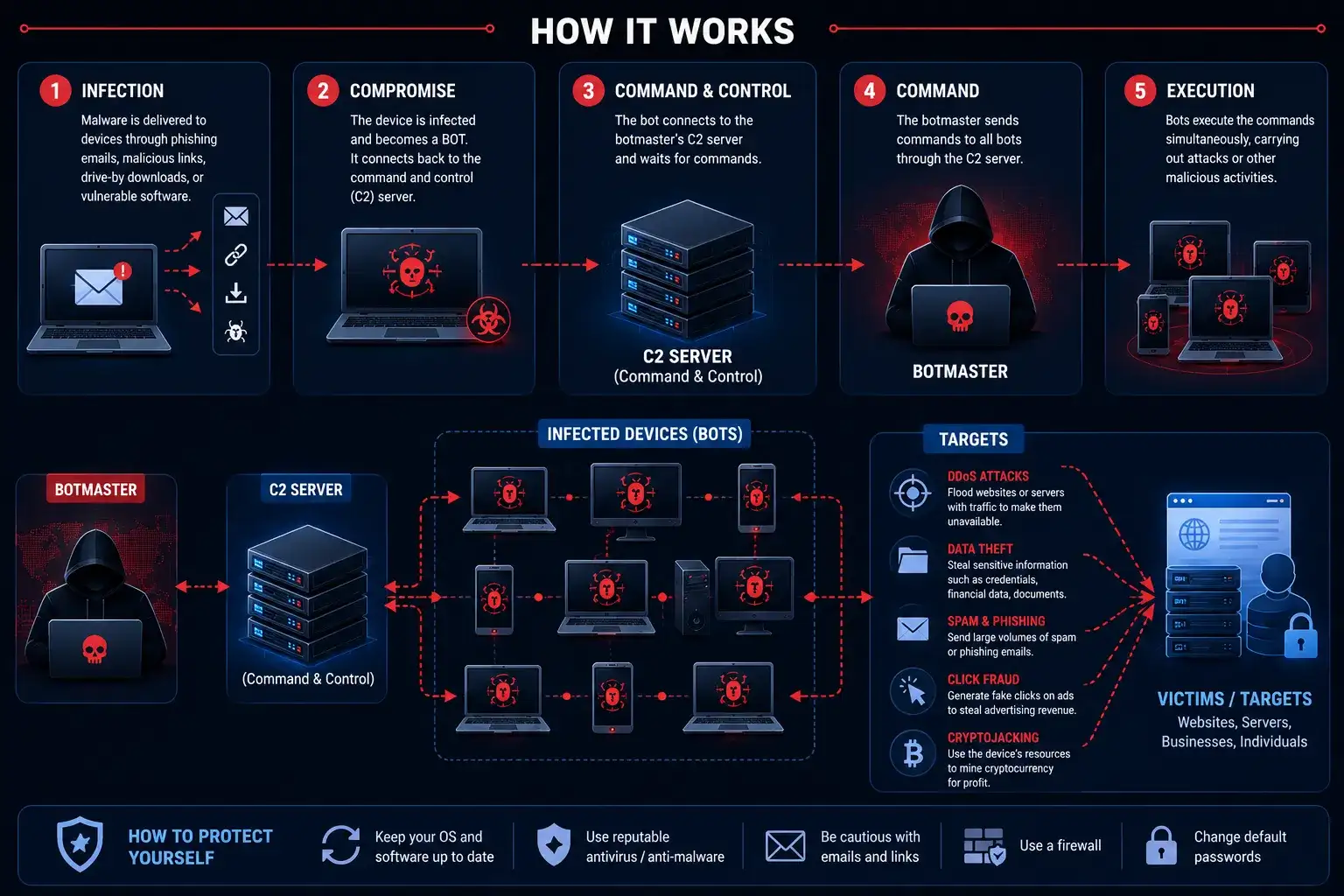
A critical concern in the IPv4 secondary market is IP address reputation. Blocks with previous misuse — including spam, botnets or other abusive behaviour — may be blacklisted, undermining services such as email delivery, API performance or security posture. Reclaiming reputation for such blocks can be costly and time-consuming.
i.Lease’s offering includes access to a carefully managed pool of IPv4 addresses that are verified and free from known abuse, reducing the burden of reputation risk on lessees. Ensuring that allocated address space is reputable supports operational reliability and protects network trust, particularly for customer-facing services.
Scalability and operational flexibility
Leasing IPv4 through i.Lease enables dynamic scaling that aligns with business needs. Whether an organisation needs a block for a short-term initiative or long-term capacity, leasing accommodates both. Secondary market analysis shows that flexible commitments allow companies to adjust their address holdings as needed, without being locked into rigid ownership models.
This flexibility is beneficial for companies with fluctuating demand, such as hosting providers, cloud platforms, telecommunications firms and global SaaS operations. By adopting a pay-as-you-use model, organisations can better align network expansion costs with revenue generation activities.
Geographic diversity and global reach
Modern networks often require geographically diverse address space to optimise routing, support local compliance requirements or reduce latency for regional users. Leasing platforms like i.Lease can offer subnets from varied regional registries, enabling enterprises to secure address blocks appropriate for specific deployment zones.
This geographic flexibility supports content delivery strategies, cloud regional expansion and compliance with data localisation regulations without the complexity of forming separate local entities to hold address space. Such ease of deployment across regions simplifies global network planning.
Ongoing support and compliance expertise
Managing IPv4 addresses involves more than merely obtaining numbers. It also requires compliance with regional internet registry policies, monitoring for abuse, routing setup and, in some cases, reverse DNS and RPKI (Resource Public Key Infrastructure) configurations. Leasing providers like i.Lease often include ongoing support services that handle these technical and administrative details.
For organisations without dedicated IP administration teams, this managed support reduces operational overhead. Technical experts can guide routing setup, abuse handling procedures and help ensure that address use remains compliant with evolving standards. This level of service transforms leasing from a simple transaction into a strategic partnership.
Risk mitigation through operational simplicity
Leasing IPv4 addresses transfers certain risks that accompany full ownership. For example, purchasing addresses may expose an organisation to price volatility, long-term depreciation risk and responsibility for reputation management. By leasing through i.Lease, businesses can reduce exposure to these risks and maintain predictable costs over defined terms, which supports more reliable budgeting and risk management practices.
This approach also simplifies infrastructure management, as the leasing provider frequently oversees abuse monitoring, reputation checks and registry coordination, enabling lessees to focus on core business functions rather than IP asset stewardship.
Use cases that benefit from IPv4 leasing
IPv4 leasing is not limited to a single industry. Hosting providers, cloud platforms, telcos, SaaS companies and cybersecurity firms all benefit from leasing. For instance, hosting providers can scale server deployments without large upfront investments, while cybersecurity companies can flexibly add address space to match customer demand without full purchase commitments.
In sales, marketing and regulatory tests, leasing allows organisations to trial deployments in specific regions without heavy capital outlay. This strategic flexibility supports innovation while helping businesses remain resilient in a market where IPv4 scarcity persists.
Conclusion: IPv4 leasing as a strategic infrastructure tool
The benefits of leveraging i.Lease for IPv4 lease management are clear: cost-effective access, rapid deployment, reputation safety, scalability, geographic diversity and ongoing support. In a landscape where IPv4 addresses are scarce and expensive to buy outright, leasing through a trusted platform allows organisations to maintain connectivity, grow infrastructure on demand and manage resources efficiently.
By treating IPv4 leasing as an integral part of infrastructure planning rather than a temporary workaround, businesses can achieve operational stability and financial predictability while navigating the realities of the IPv4 market.
The IPv4 market reflects one of the most compelling examples of economic scarcity in the digital age. After the free pool exhausted, IPv4 addresses transitioned into a mature secondary market where block size, year, and buyer strategy all influence value. Prices surged in the early post‑exhaustion years, peaking as large enterprises competed for limited space. Over time, increased block availability and the rise of leasing solutions have tempered price volatility. Heading into 2026, we’re seeing a more balanced ecosystem — where buyers, sellers, and lessees negotiate not just on price, but on flexibility, timing, and network deployment plans
– Rachel Chen, IP Address Management Expert
Frequently Asked Questions (FAQs)
1. Why should organisations lease IPv4 addresses rather than buy them?
Leasing avoids large capital costs, provides flexibility and enables rapid access to needed address space, compared with expensive and slow purchase processes.
2. How quickly can i.Lease deploy IPv4 addresses?
i.Lease can provision qualified IPv4 blocks within days of agreement, facilitating faster service deployment.
3. Are leased IPv4 addresses reputable and clean?
Yes. Providers like i.Lease maintain pools of verified, clean addresses to reduce reputation and abuse risks for lessees.
4. Can organisations scale their leased IPv4 usage as needed?
Leasing allows flexible scaling, enabling businesses to increase or reduce address space based on demand.
5. Does i.Lease offer support beyond just providing addresses?
Yes. Ongoing management includes technical support, policy compliance guidance, abuse handling and infrastructure integration.