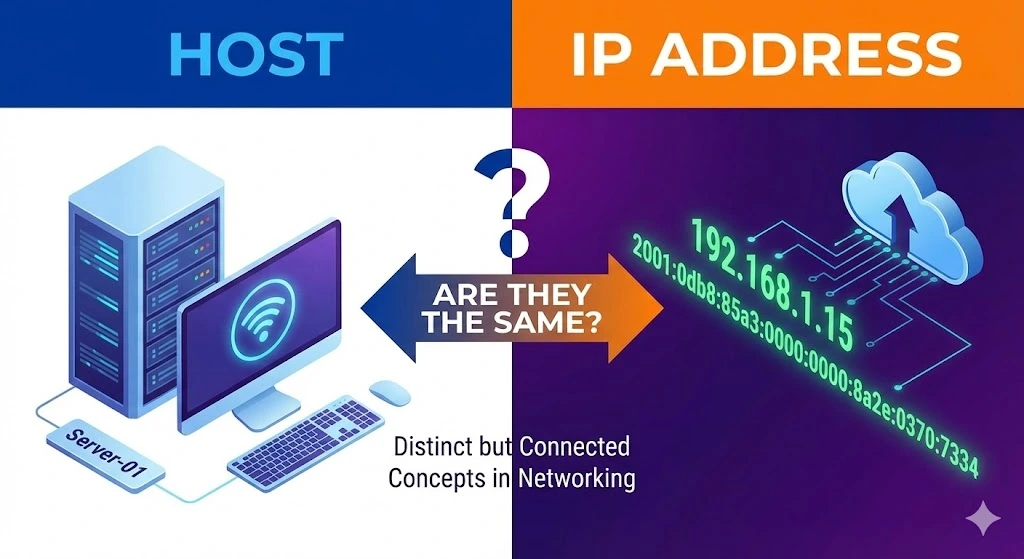
When learning the complexities of networking, you might encounter terms like “host” and “IP address” used frequently. These terms are fundamental to how devices communicate over the internet. While they are related, host and IP addresses are not the same. This article aims to clarify the differences and relationships between a host and an IP address, providing a comprehensive understanding of each term and their roles in network communication.Read more
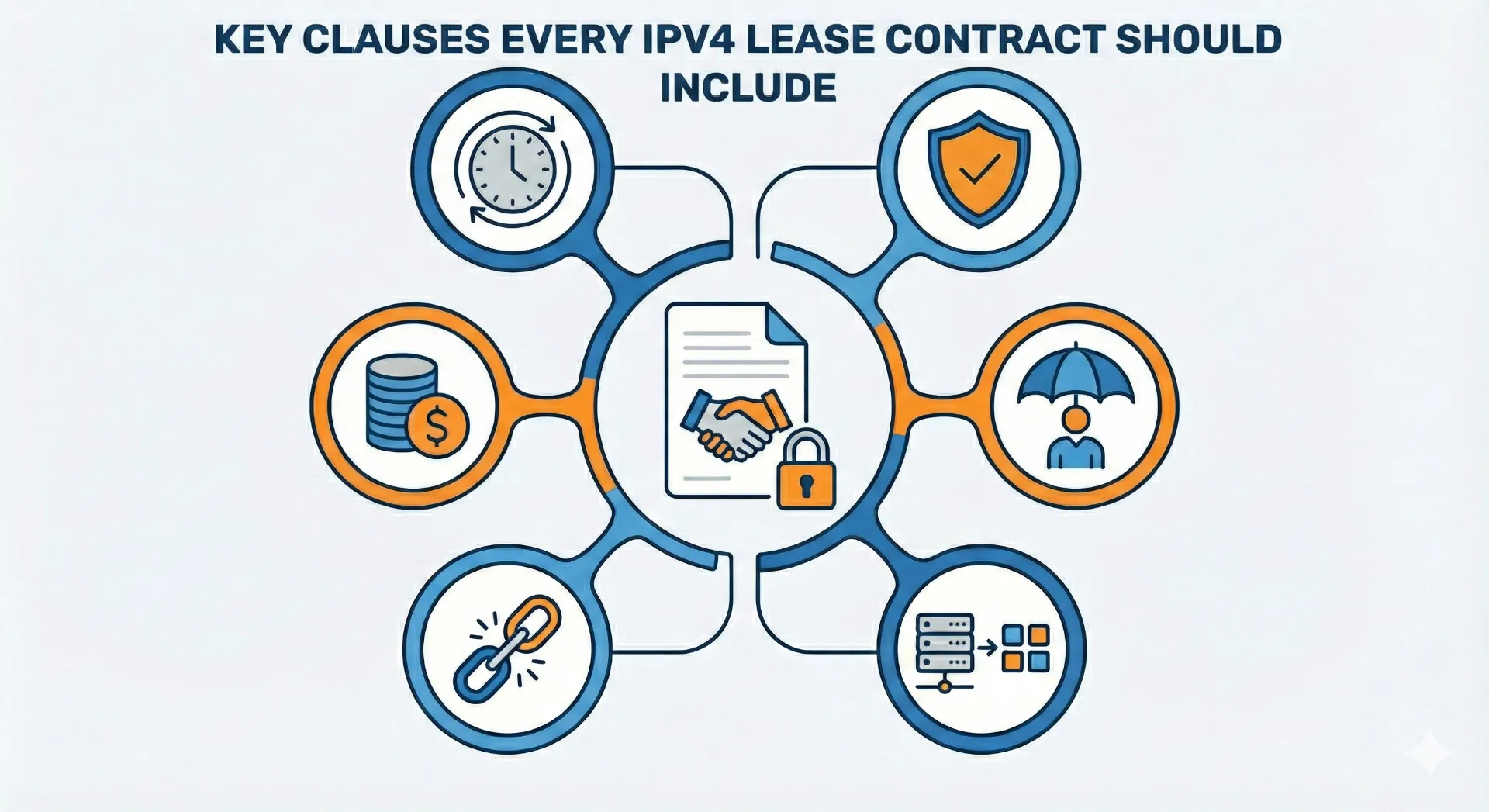
As IPv4 scarcity deepens, carefully drafted lease contracts have become essential tools for managing risk, compliance and long-term network stability.Well-defined Read more
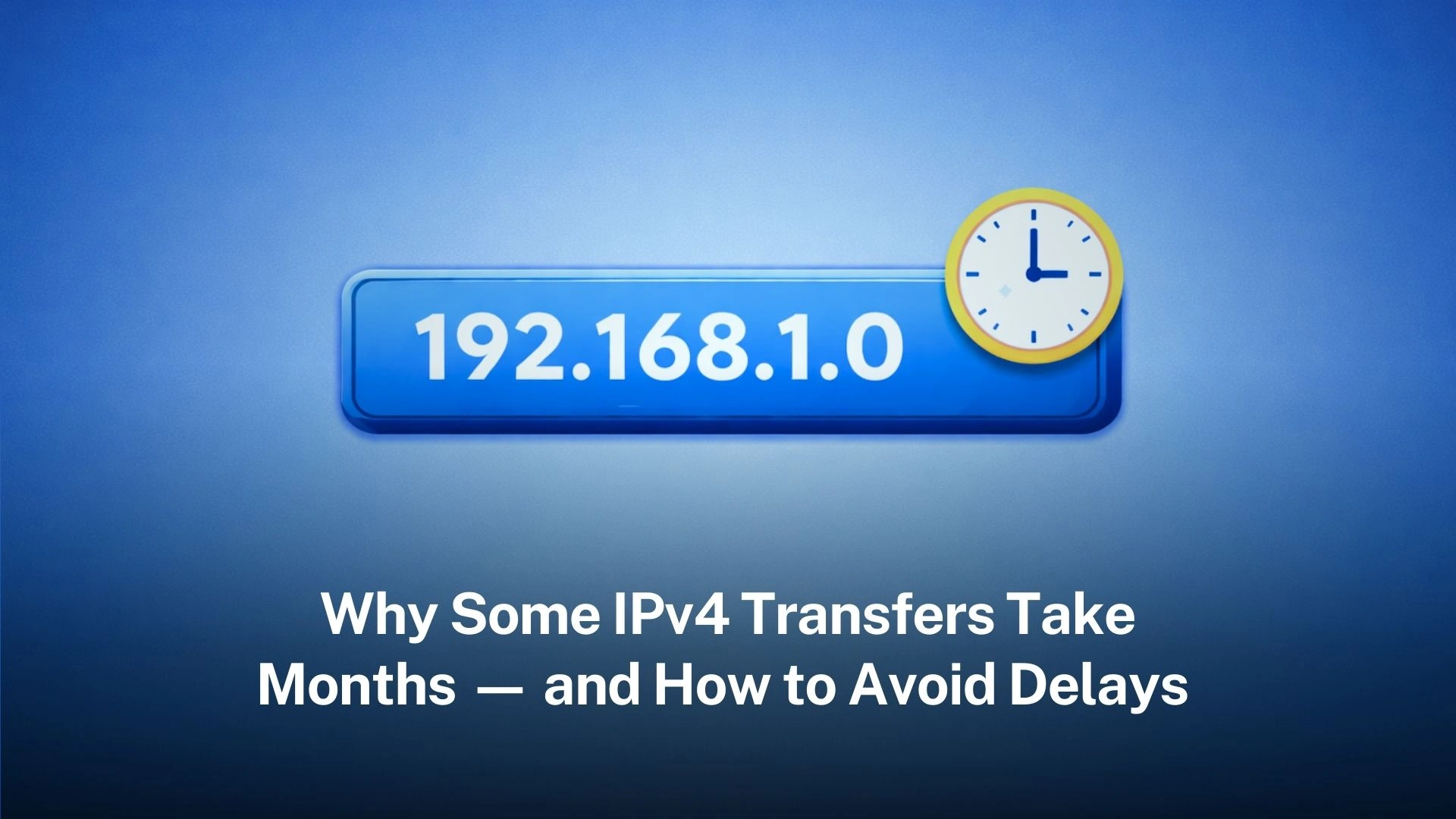
Key points:IPv4 transfer delays are primarily driven by registry policy complexity and incomplete or inconsistent documentation.Early preparation, pre-approval and professional Read more
Standfirst APNIC IPv4 transfers can stall on documentation, timing, and registry hygiene. Preparation, pre-approval, and clean records materially accelerate outcomes. Read more
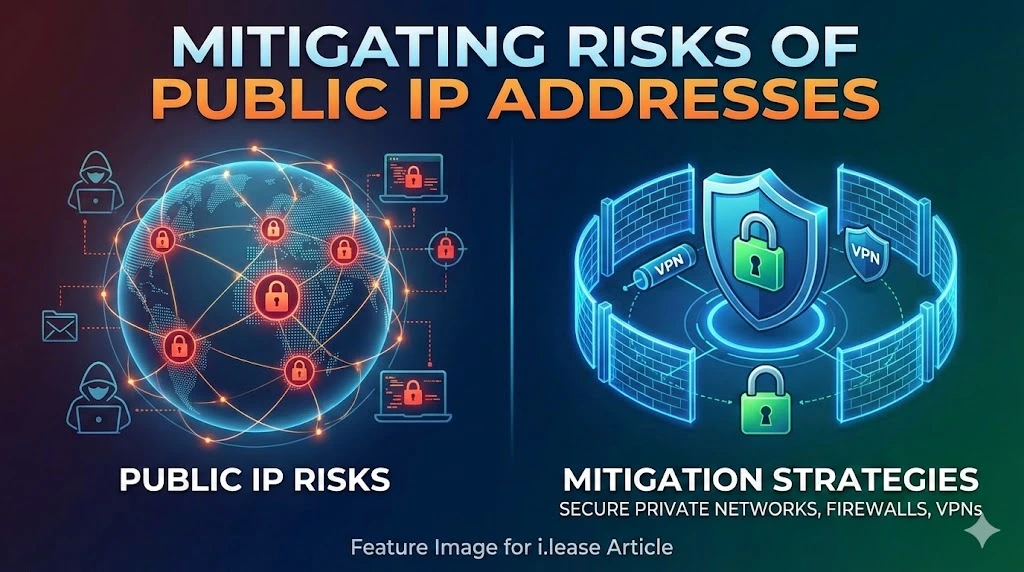
While the risks associated with public IP addresses are significant, several measures can be taken to mitigate these dangers. Here’s a detailed guide on how to protect your network from the potential hazards of using public IP addresses. Use Firewalls Implementing a robust firewall is one of the first lines of defense against unauthorized access and cyber-attacks. Firewalls act as a barrier between your internal network and the internet,Read more
As IPv4 scarcity deepens, carefully drafted lease contracts have become essential tools for managing risk, compliance and long-term network stability.Well-defined Read more
Key points:IPv4 transfer delays are primarily driven by registry policy complexity and incomplete or inconsistent documentation.Early preparation, pre-approval and professional Read more
Standfirst APNIC IPv4 transfers can stall on documentation, timing, and registry hygiene. Preparation, pre-approval, and clean records materially accelerate outcomes. Read more
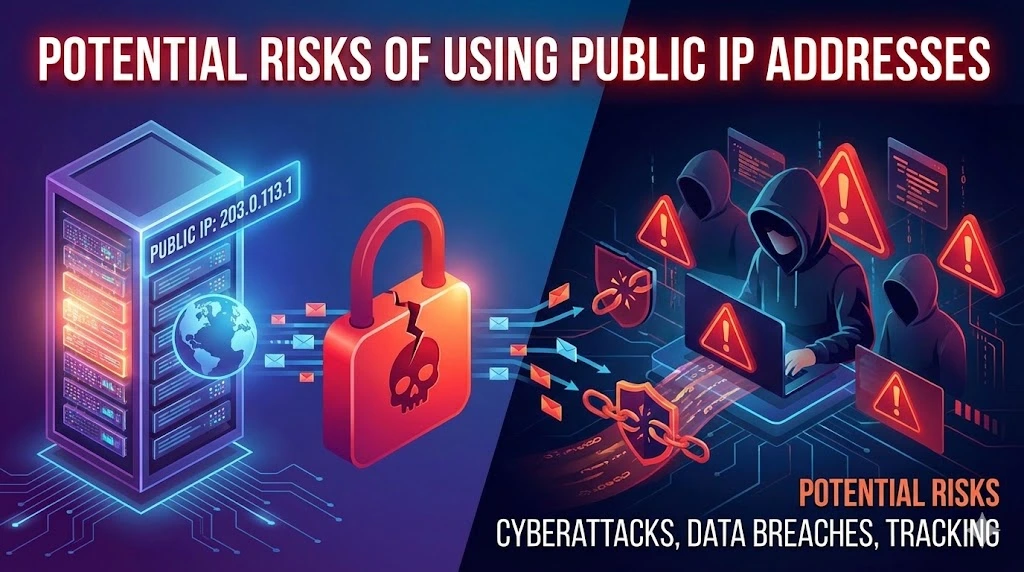
Public IP addresses allow devices to communicate directly with the internet, but they also come with several risks that can jeopardize security and privacy. This article explores the potential dangers associated with using public IP addresses and offers tips on how to mitigate these risks in Part 2 What is a public IP address? A public IP address is an address that is accessible over the internet. It isRead more
As IPv4 scarcity deepens, carefully drafted lease contracts have become essential tools for managing risk, compliance and long-term network stability.Well-defined Read more
Key points:IPv4 transfer delays are primarily driven by registry policy complexity and incomplete or inconsistent documentation.Early preparation, pre-approval and professional Read more
Standfirst APNIC IPv4 transfers can stall on documentation, timing, and registry hygiene. Preparation, pre-approval, and clean records materially accelerate outcomes. Read more
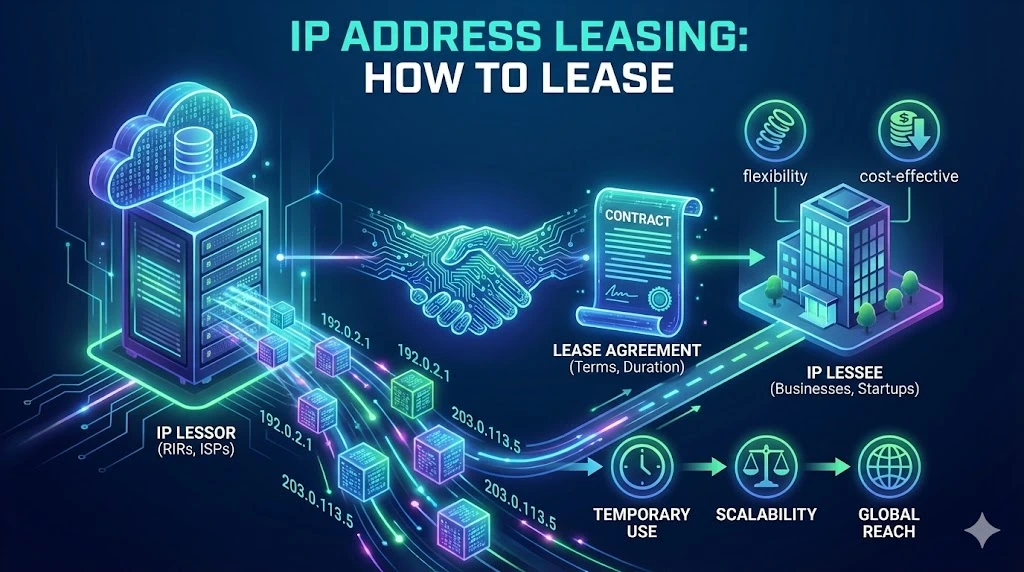
The digital world we navigate today relies heavily on IP addresses, unique identifiers assigned to devices connected to the internet or a local network. As the demand for IP addresses continues to rise, businesses and individuals are exploring various options to secure the necessary resources. One increasingly popular method is IP address leasing. This article delves into the concept of leasing IP addresses, its benefits, and why it hasRead more
As IPv4 scarcity deepens, carefully drafted lease contracts have become essential tools for managing risk, compliance and long-term network stability.Well-defined Read more
Key points:IPv4 transfer delays are primarily driven by registry policy complexity and incomplete or inconsistent documentation.Early preparation, pre-approval and professional Read more
Standfirst APNIC IPv4 transfers can stall on documentation, timing, and registry hygiene. Preparation, pre-approval, and clean records materially accelerate outcomes. Read more
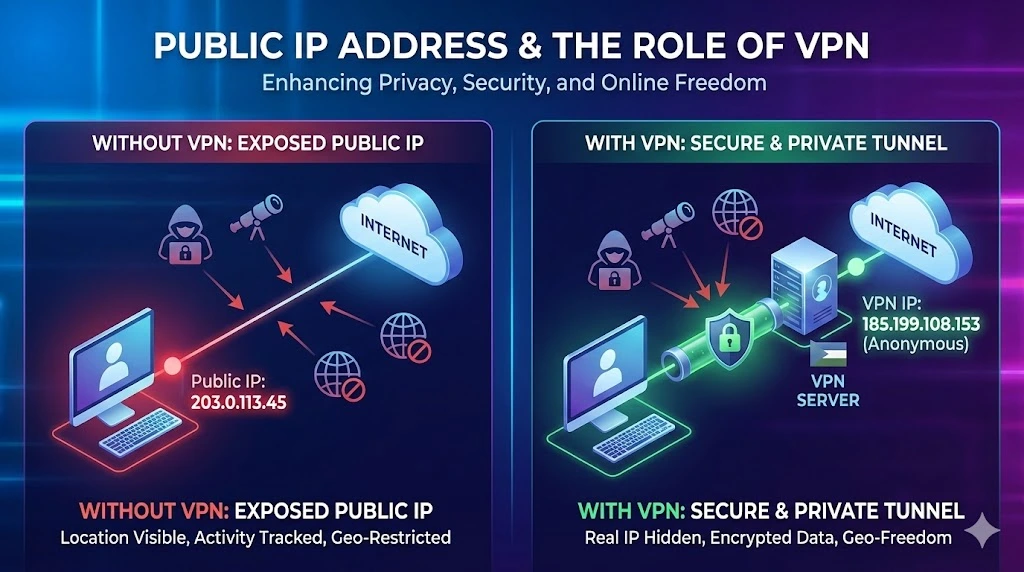
Public IP addresses are unique identifiers assigned to devices connected to the internet, enabling them to communicate with other devices globally. These addresses are essential for the functioning of the internet, enabling the routing of data between different networks and ensuring that information reaches the correct destination. However, the visibility and accessibility of public IP addresses also pose certain privacy and security risks. This is where Virtual Private NetworksRead more
As IPv4 scarcity deepens, carefully drafted lease contracts have become essential tools for managing risk, compliance and long-term network stability.Well-defined Read more
Key points:IPv4 transfer delays are primarily driven by registry policy complexity and incomplete or inconsistent documentation.Early preparation, pre-approval and professional Read more
Standfirst APNIC IPv4 transfers can stall on documentation, timing, and registry hygiene. Preparation, pre-approval, and clean records materially accelerate outcomes. Read more