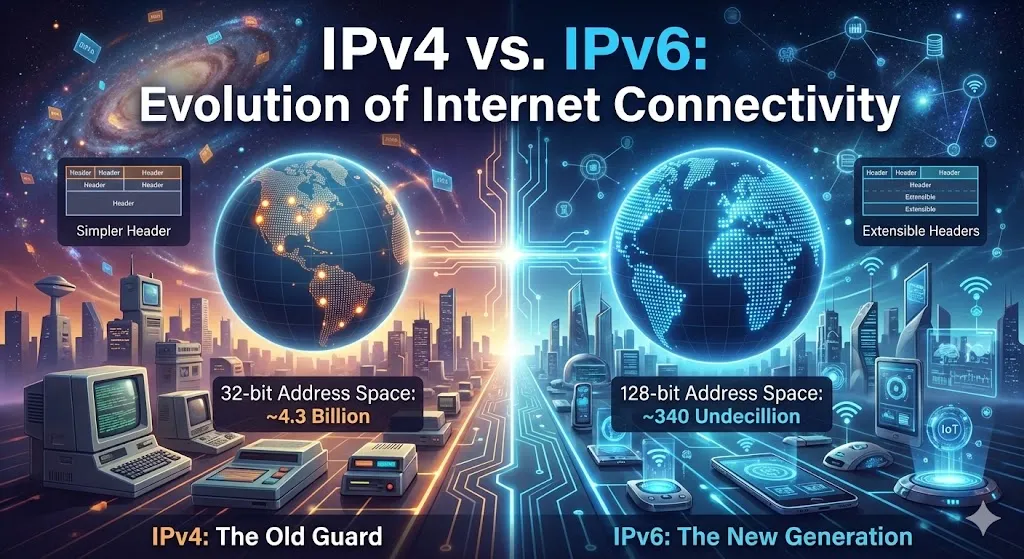
Foreword: In today’s interconnected world, where virtually every aspect of our lives relies on the internet, understanding the fundamentals of internet protocols is essential. Among these protocols, IPv4 (Internet Protocol version 4) and IPv6 (Internet Protocol version 6) are two of the most vital components that govern how devices communicate over the Internet. Despite their shared purpose of facilitating data transmission, IPv4 and IPv6 have distinct characteristics andRead more
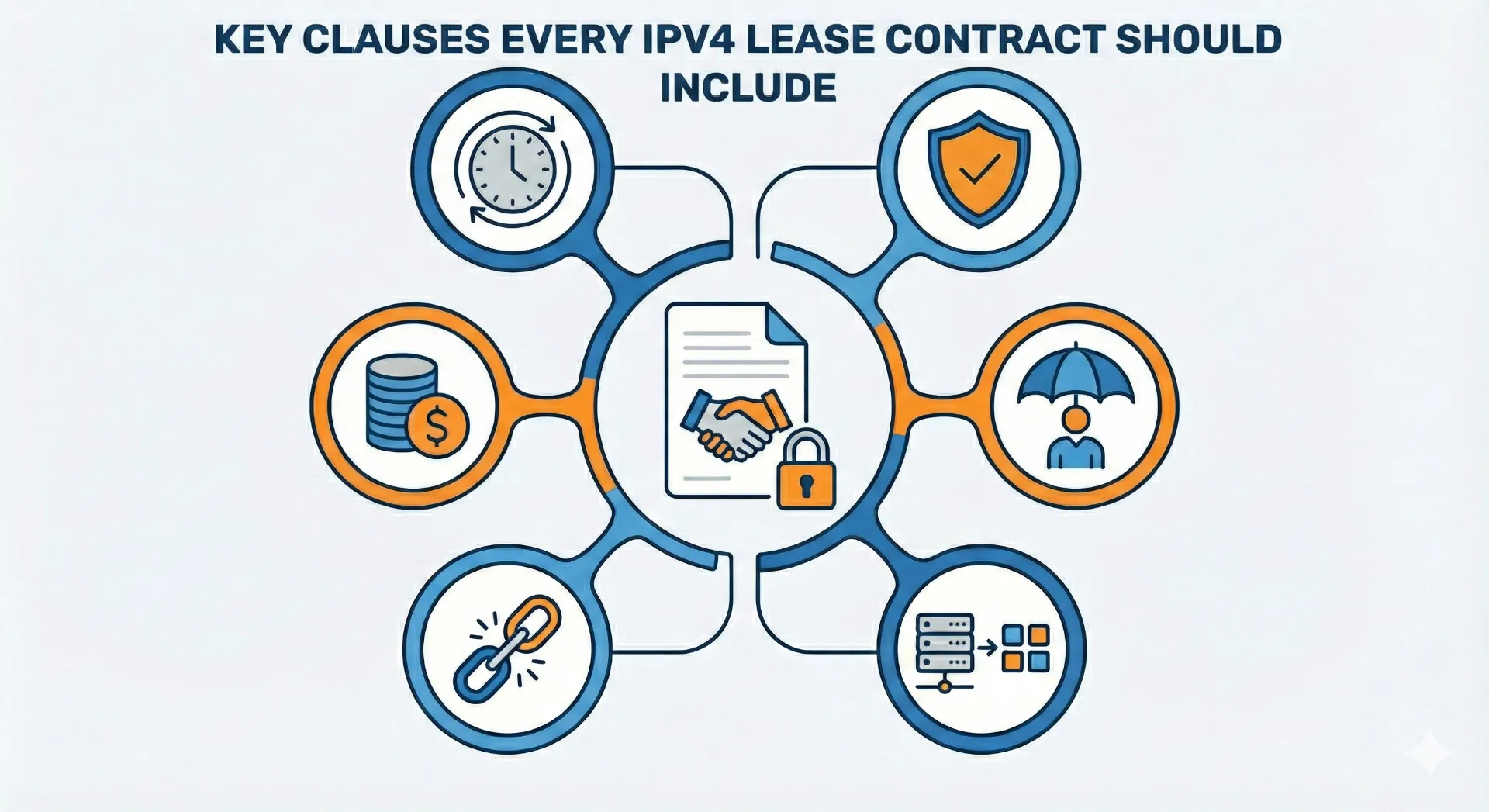
As IPv4 scarcity deepens, carefully drafted lease contracts have become essential tools for managing risk, compliance and long-term network stability.Well-defined Read more
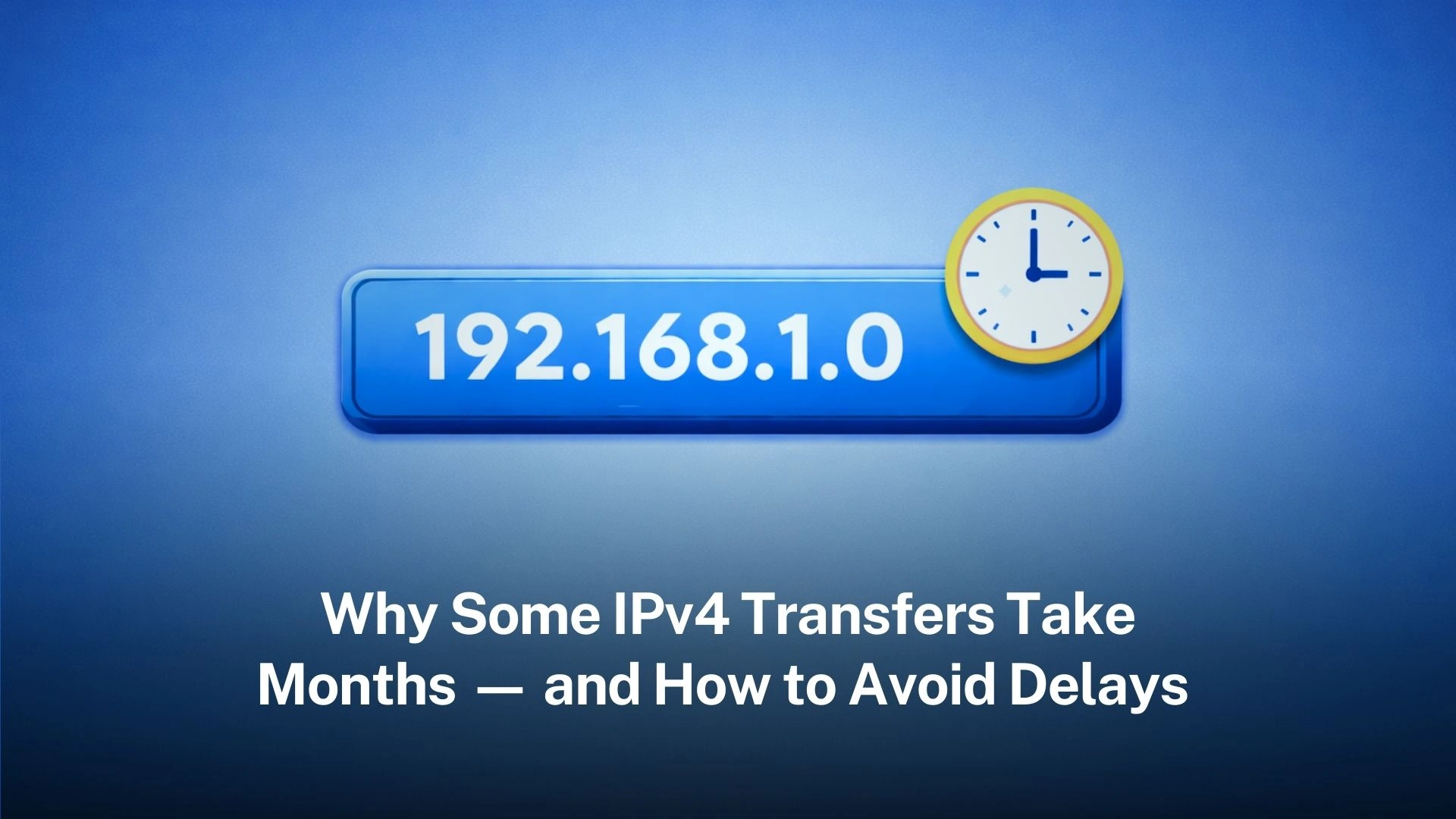
Key points:IPv4 transfer delays are primarily driven by registry policy complexity and incomplete or inconsistent documentation.Early preparation, pre-approval and professional Read more
Standfirst APNIC IPv4 transfers can stall on documentation, timing, and registry hygiene. Preparation, pre-approval, and clean records materially accelerate outcomes. Read more
What are IP addresses? IP stands for Internet Protocol. A set of regulations dictating the structure of data transmission over the Internet or a local network is essentially known as a protocol. IP addresses serve as unique identifiers, facilitating the exchange of information among devices on a network by incorporating location details and enabling devices to be accessible for communication. The Basics of IP addresses In layman’s terms, anRead more
As IPv4 scarcity deepens, carefully drafted lease contracts have become essential tools for managing risk, compliance and long-term network stability.Well-defined Read more
Key points:IPv4 transfer delays are primarily driven by registry policy complexity and incomplete or inconsistent documentation.Early preparation, pre-approval and professional Read more
Standfirst APNIC IPv4 transfers can stall on documentation, timing, and registry hygiene. Preparation, pre-approval, and clean records materially accelerate outcomes. Read more