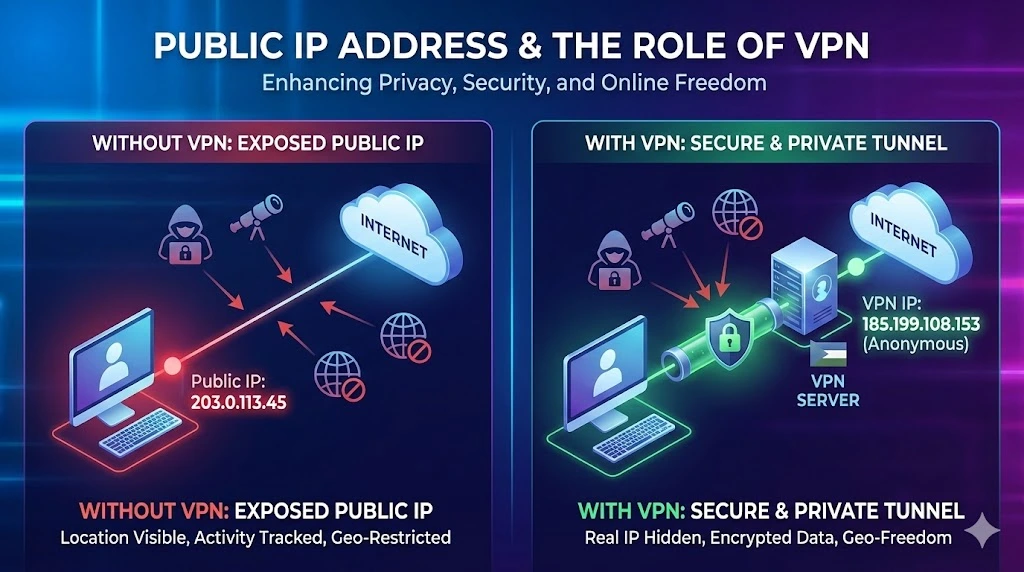
Public IP addresses are unique identifiers assigned to devices connected to the internet, enabling them to communicate with other devices globally. These addresses are essential for the functioning of the internet, enabling the routing of data between different networks and ensuring that information reaches the correct destination. However, the visibility and accessibility of public IP addresses also pose certain privacy and security risks. This is where Virtual Private NetworksRead more

An exploration of IPv4 address price trends from scarcity‑driven spikes to market corrections, and how exhaustion shaped prices up to Read more
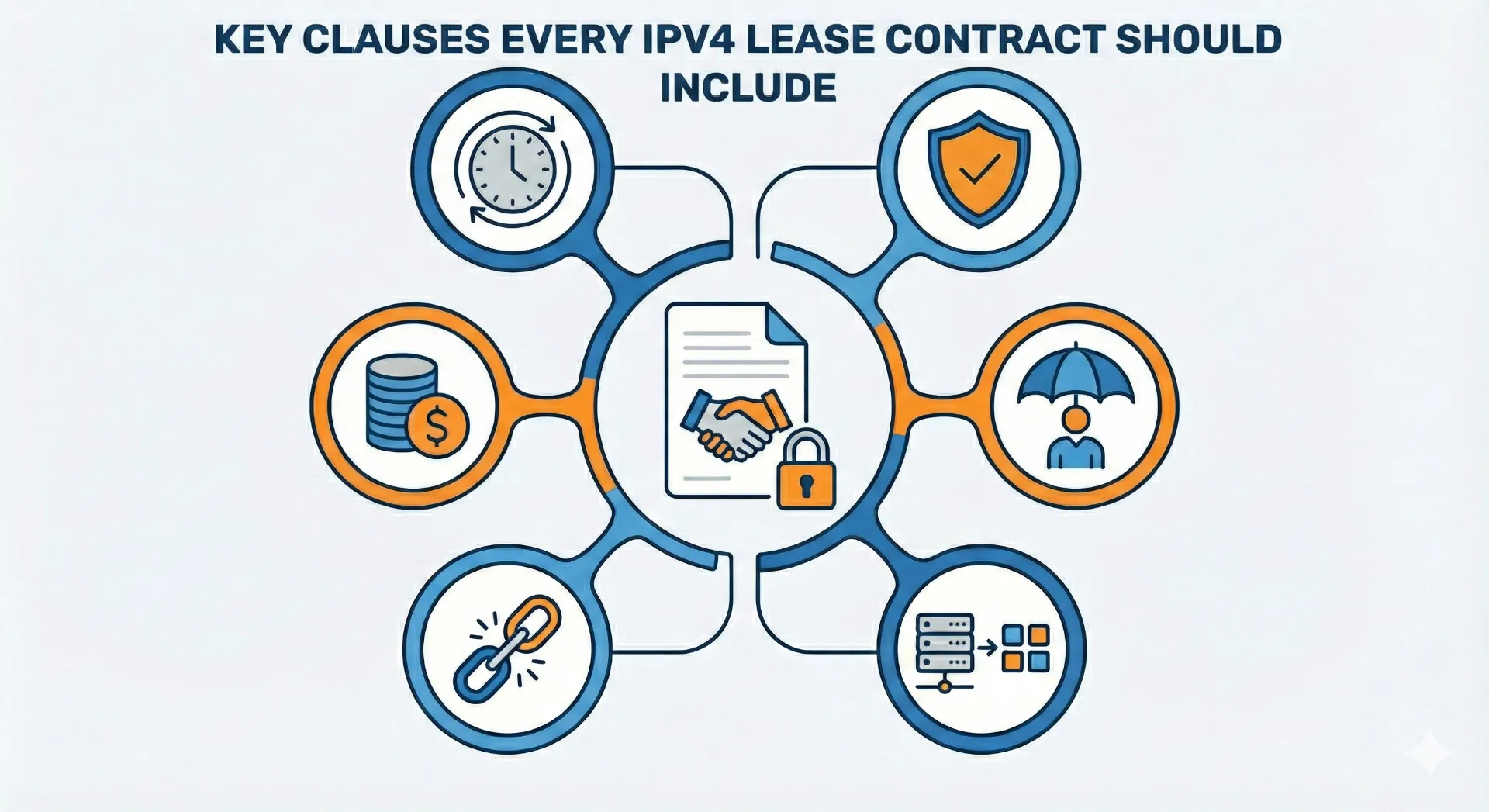
As IPv4 scarcity deepens, carefully drafted lease contracts have become essential tools for managing risk, compliance and long-term network stability.Well-defined Read more
Key points:IPv4 transfer delays are primarily driven by registry policy complexity and incomplete or inconsistent documentation.Early preparation, pre-approval and professional Read more