
Au début des années 1980, les adresses IPv4 étaient distribuées gratuitement à tous ceux qui en avaient besoin. Les géants de la technologie comme Microsoft, Hewlett-Packard et Xerox en ont accumulé d’énormes quantités. Cependant, une mauvaise gestion et une demande imprévue ont rapidement épuisé ces ressources.
Sommaire
En 2011, nous sommes arrivés à un tournant décisif. Ce fut le point de bascule qui a conduit à l’épuisement des adresses IPv4 et à l’émergence du marché de la location d’adresses IP. L’IANA (Internet Assigned Numbers Authority) a joué un rôle crucial en répartissant les adresses IPv4 restantes entre les registres Internet régionaux (RIR).
L’APNIC, le RIPE NCC, le LACNIC et l’ARIN ont progressivement épuisé leurs adresses allouées, nous laissant avec un nombre insuffisant d’adresses IPv4.
IPv6 : L’alternative promise
Lancé en 1995, l’IPv6 a été salué comme la solution à la hausse des coûts et à l’épuisement imminent des adresses IPv4. Cependant, l’adoption a été lente en raison de l’efficacité de la technologie de traduction d’adresses réseau (NAT) d’IPv4.
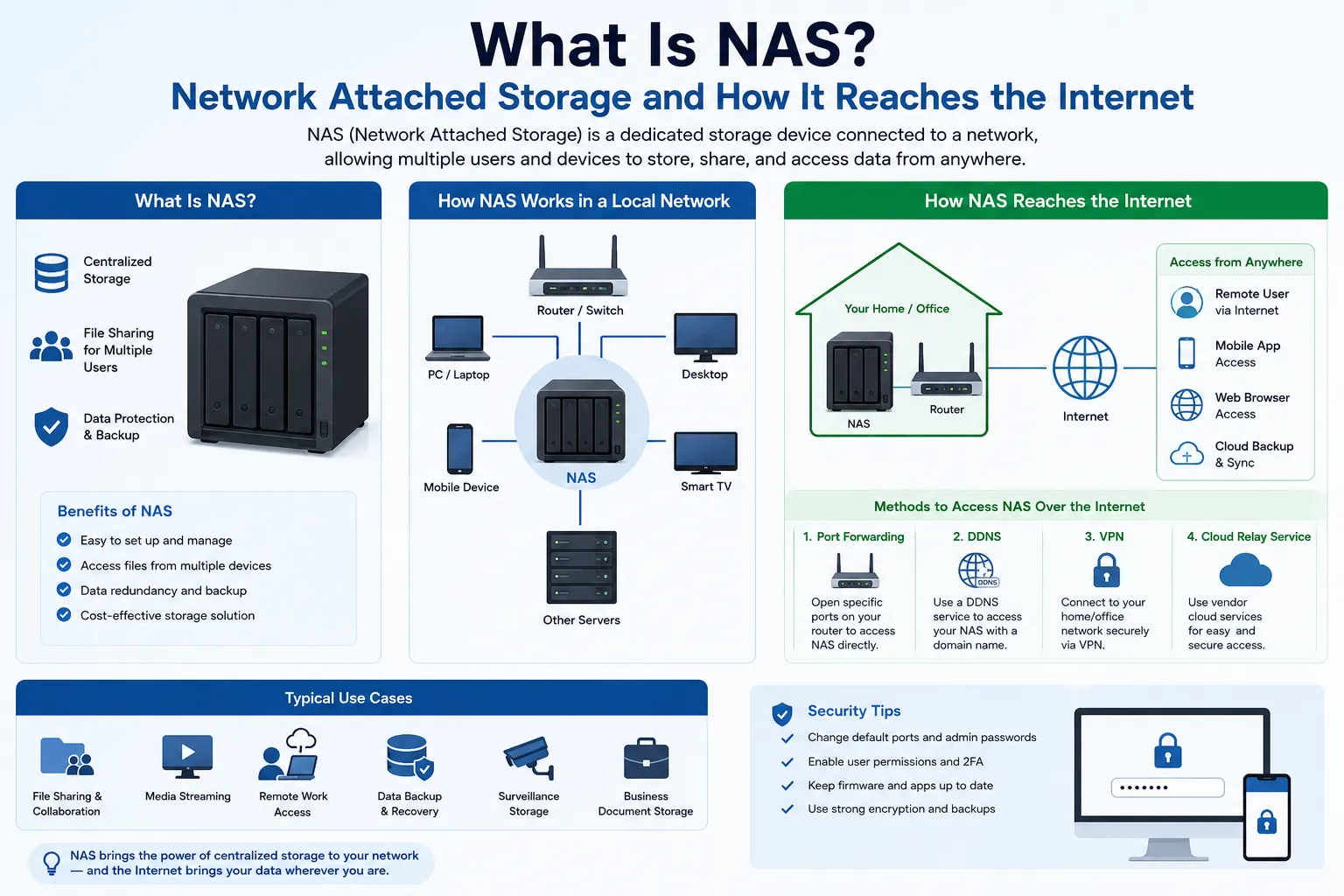
Que fait la NAT ? En termes simples, elle permet à une organisation de n’avoir, par exemple, qu’une seule adresse IP publique. La NAT attribue des adresses IP privées aux appareils d’un réseau, réduisant ainsi le besoin d’adresses IP publiques.
Malgré les signes prometteurs de certains opérateurs de réseaux mobiles, la majorité des entreprises et des fournisseurs de services hésitent à adopter l’IPv6, ce qui freine son adoption à grande échelle.
L’explosion du coût de l’IPv4
Auparavant, une adresse IPv4 coûtait seulement 10 à 15 $. En 2021, le prix par adresse avait grimpé jusqu’à 23 à 60 $, selon la taille du sous-réseau.
Des entreprises comme Microsoft, Google et Amazon ont fait la une des journaux pour leurs acquisitions d’adresses IPv4 se chiffrant en millions de dollars.
Marché de la location d’adresses IPv4 : une alternative
Face à la hausse des coûts d’achat d’adresses IPv4, de nombreuses entreprises se tournent vers la location comme solution plus avantageuse. La location d’adresses IPv4 est un choix judicieux pour les détenteurs d’adresses IP et les entreprises souhaitant une connectivité sans investissement initial important. Ce marché est en plein essor, avec des prix de location stables et prévisibles tout au long de l’année 2022.
Prix et tarification des adresses IPv4
Le paysage tarifaire des adresses IPv4 a connu des évolutions considérables ces dernières années. Ces variations reflètent l’évolution des besoins et des défis du monde numérique. Obtenir des informations précises et actualisées sur les prix des adresses IPv4 peut s’avérer complexe.
Si les transferts d’adresses sont publics, leurs prix réels ne sont pas toujours transparents.
Comment la demande a influencé le prix d’une ressource autrefois abondante
Développé en 1981, le protocole IPv4 offrait un nombre considérable de 4,3 milliards de configurations d’identifiants uniques, jugé largement suffisant à l’époque. Cependant, la prolifération imprévue des appareils et services Internet a entraîné l’épuisement des adresses IPv4.
En 2011, ce phénomène a commencé lorsque l’IANA a attribué ses dernières adresses IPv4 aux RIR.
Les prix sont restés relativement stables de 2016 à 2019. Toutefois, sur une période de cinq ans, ils ont progressivement et sensiblement augmenté, avec une hausse annuelle de près de 20 %.
Le premier semestre 2020 a été marqué par un ralentissement dû à la pandémie mondiale. Celle-ci a impacté l’expansion des réseaux et réduit la demande d’adresses IPv4.
Début 2021, la reprise économique a entraîné une forte augmentation de la demande d’adresses IPv4, car ces dernières sont plus simples à utiliser que les adresses IPv6. Une part importante de l’offre potentielle est restée inexploitée, la reprise des projets de renumérotation ayant été lente.
Face à une offre limitée et une demande en forte hausse, les prix des adresses IPv4 ont explosé en 2021, doublant voire plus en très peu de temps.
Les prix des grands blocs d’adresses IPv4 ont augmenté
Un phénomène intrigant apparu durant cette période a été l’inversion du prix des grands blocs d’adresses IPv4. Historiquement, ces blocs étaient disponibles à prix réduit, car leur gestion est complexe et peut nécessiter davantage de techniciens réseau.
De plus, peu d’entreprises souhaitaient acquérir de grands blocs d’adresses IP.
Cependant, la dynamique du marché a évolué en 2021, les grands blocs devenant relativement plus coûteux que les petits. Des vendeurs et des traders avisés ont alors commencé à diviser les grands blocs en lots plus petits, qu’ils vendaient ensuite séparément.
Cette stratégie leur a permis de profiter de la valeur plus élevée d’un bloc divisé.
Les incertitudes économiques mondiales de 2022, notamment la hausse de l’inflation et les craintes de récession, ont impacté les investissements des entreprises et le développement des infrastructures.
Malgré un contexte économique difficile, la demande d’adresses IPv4 est restée forte, comme en témoigne la hausse des volumes de transfert chez RIPE et ARIN. Le marché de l’IPv4 est dynamique, mais il est difficile d’en tirer des conclusions définitives.
Cela s’explique par l’interaction complexe entre l’offre, la demande, l’économie et la technologie. L’avenir demeure incertain et la dynamique du marché est en constante évolution. Avec la transformation continue du monde numérique, la hausse du prix des adresses IPv4 est loin d’être terminée.
Adoption d’IPv6 et avenir durable
While IPv4 scarcity continues to challenge the Internet ecosystem, the adoption of IPv6 remains uncertain. IPv4 will remain the dominant part of the Internet until IPv6 gains more popularity. This will lead to an increase in the prices of IPv4.
The key lies in fostering a balance between IPv4 sales, leasing, and responsible management to navigate the Internet’s future.
Whether through leasing or responsible management, it is crucial to find sustainable solutions to sustain our need to connect online. As the cost of IP addresses get out of hand, leasing an IP address might be the best solution for your business needs.