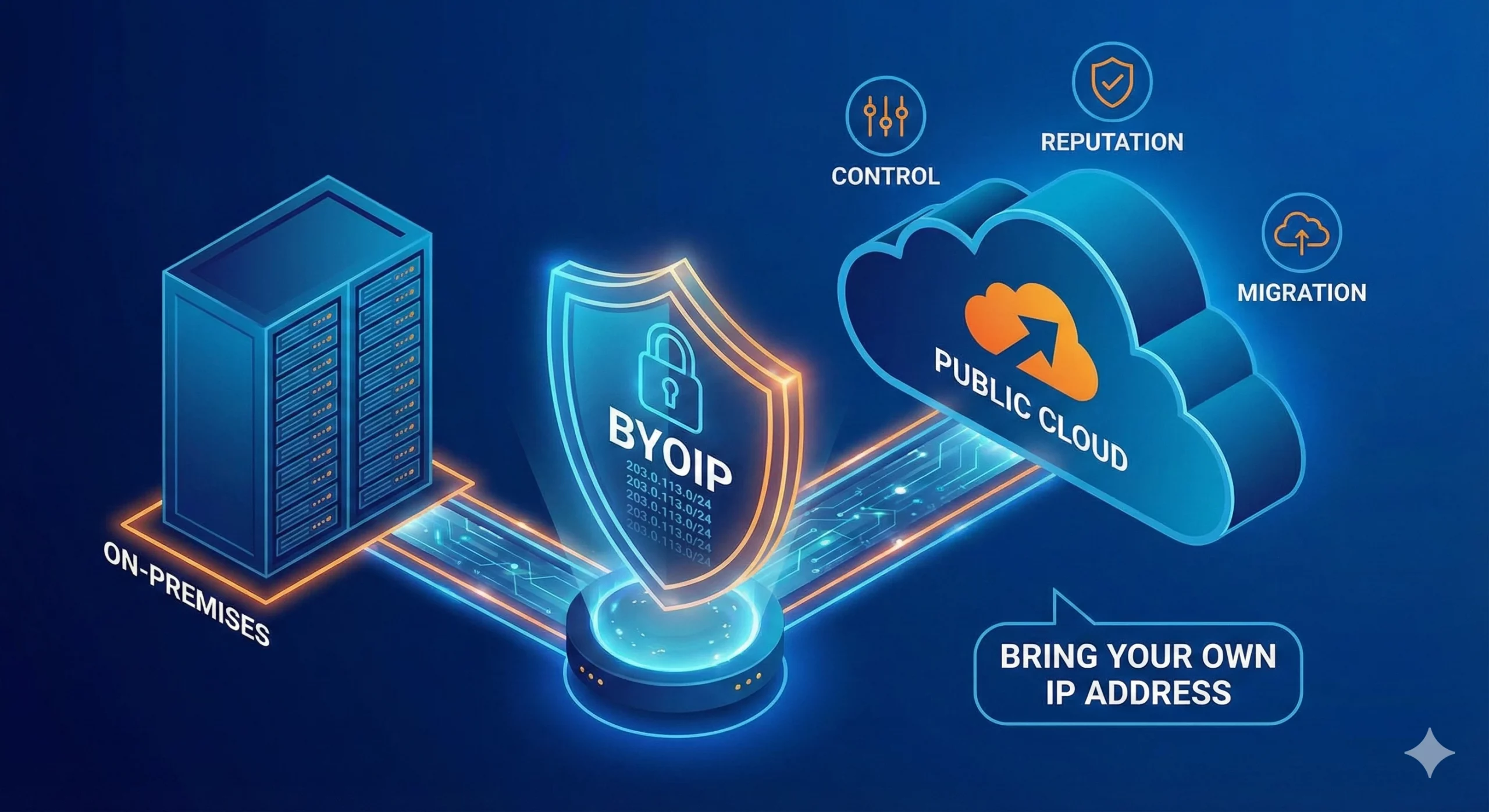
Bring Your Own IP (BYOIP) is a concept in cloud computing and networking that allows businesses to bring and use their own Internet Protocol (IP) address ranges when migrating to cloud service providers (CSPs) or other networking infrastructures. This approach enables organizations to maintain their existing IP addresses instead of adopting new ones assigned by the provider, ensuring consistency, security, and operational continuity. Why is BYOIP Important? Organizations thatRead more

As IPv4 scarcity deepens, carefully drafted lease contracts have become essential tools for managing risk, compliance and long-term network stability.Well-defined Read more
Key points:IPv4 transfer delays are primarily driven by registry policy complexity and incomplete or inconsistent documentation.Early preparation, pre-approval and professional Read more
Standfirst APNIC IPv4 transfers can stall on documentation, timing, and registry hygiene. Preparation, pre-approval, and clean records materially accelerate outcomes. Read more

Elastic IP addresses (EIPs) are a crucial component of cloud networking, especially in Amazon Web Services (AWS). They provide a static, public IPv4 address that can be associated with an instance, ensuring reliability even if the instance is stopped and restarted. However, improper management of Elastic IPs can lead to security risks, unnecessary costs, and operational inefficiencies. This blog post outlines the best practices for effectively managing Elastic IPRead more
As IPv4 scarcity deepens, carefully drafted lease contracts have become essential tools for managing risk, compliance and long-term network stability.Well-defined Read more
Key points:IPv4 transfer delays are primarily driven by registry policy complexity and incomplete or inconsistent documentation.Early preparation, pre-approval and professional Read more
Standfirst APNIC IPv4 transfers can stall on documentation, timing, and registry hygiene. Preparation, pre-approval, and clean records materially accelerate outcomes. Read more