IP Reputation vs. IP Risk Score: What’s the Difference
 Stephanie
A clear comprehension of the discrepancies between IP reputation and IP risk score constitutes a critical prerequisite for effective cybersecurity governance — the former encapsulates historical trustworthiness, while the latter forecasts potential threat vulnerabilities.
Table of Contents
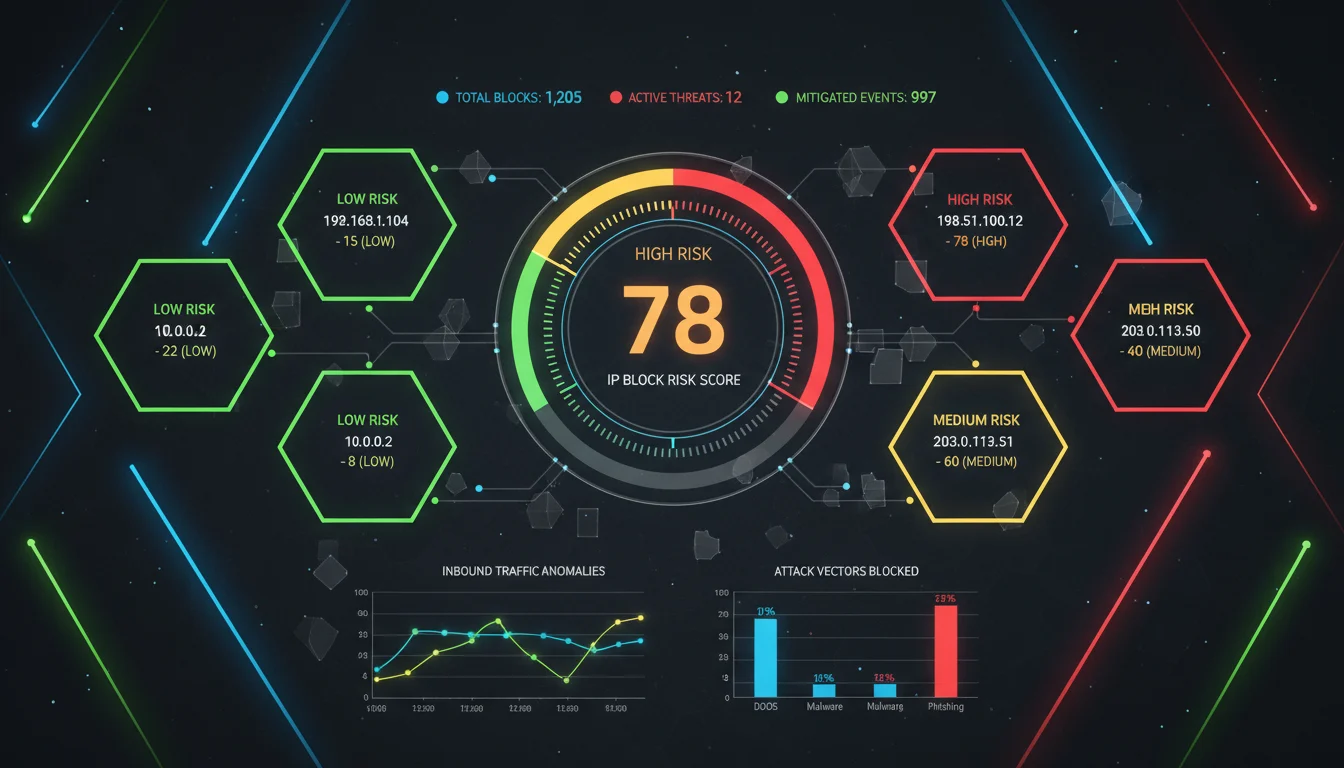
Key Points
- IP reputation embodies the historical trustworthiness and past behavioural patterns of an IP address, exerting a direct influence on email deliverability and network access permissions.
- IP risk score integrates a broader spectrum of threat indicators and behavioural metrics to quantify the probability of malicious activity, with applications in fraud prevention, intrusion detection, and dynamic security screening protocols.
What is IP Reputation?
IP reputation can be formally defined as a quantitative and qualitative assessment of an IP address’s “trustworthiness” predicated on its historical behavioural patterns and operational track record.
This concept operates analogously to a credit scoring mechanism: an IP address with an unblemished history — characterized by the absence of spam dissemination, malware distribution, or abuse reports — attains a positive reputation. Conversely, involvement in suspicious or malicious activities such as spam propagation, phishing campaigns, or malware dissemination results in a degradation of reputation.
For instance, numerous email service providers, network security systems, and firewall solutions leverage IP reputation as a core criterion for filtering incoming traffic or email communications: IP addresses with compromised reputations may be subjected to blocking, quarantining, or flagging.
Owing to its focus on historical performance, IP reputation tends to exhibit relative stability (albeit with the potential for temporal changes). Adherence to cybersecurity hygiene practices — including the avoidance of spam, compliance with email sending best practices, and the prevention of abusive behaviours — is instrumental in sustaining a favourable reputation.
What is IP Risk Score?
An IP risk score — alternatively termed an IP risk rating or IP fraud score — represents a dynamic and comprehensive evaluative framework designed to estimate the likelihood that an IP address is currently engaged in, or will imminently undertake, malicious activity, fraudulent behaviour, or other unwanted operational conduct.
In contrast to the retrospective focus of IP reputation, IP risk scoring systems aggregate a multifaceted set of variables: geolocation data, associations with proxy servers or virtual private networks (VPNs), entries in known blacklists, anomalous behavioural patterns (e.g., abrupt traffic surges, unauthorized login attempts, port scanning activities), and IP usage classification (e.g., residential IP, data-centre IP).
These scores are typically presented within predefined numerical ranges — for example, certain service providers employ scales of 0–100 or analogous gradients — wherein higher scores correspond to elevated risk levels or an increased probability of malicious intent.
IP risk scores are extensively deployed in real-time security contexts: e-commerce platforms utilize them to detect fraudulent transactions, financial institutions employ them for screening suspicious login attempts or monetary operations, online services leverage them to block bot or proxy traffic, and network security personnel utilize them to trigger enhanced scrutiny or proactive blocking measures.
Why the Distinction Matters
While IP reputation and IP risk score share conceptual overlaps, conflating these two constructs can lead to erroneous security judgments and suboptimal decision-making.
- Static vs. Dynamic Perspectives: IP reputation offers a retrospective analytical lens, documenting the historical actions of an IP address. In contrast, IP risk score provides a predictive or contextual assessment, forecasting potential future behaviours based on real-time signals and environmental factors.
- Divergent Use Cases: Reputation metrics are predominantly utilized for long-term trust evaluation, such as email deliverability optimization or the establishment of general network allow-lists. Risk scores, by contrast, are applied in real-time scenarios, including fraud detection, context-sensitive access control, and behavioural anomaly identification.
- Granularity and Nuance: Risk scoring frameworks incorporate transient behavioural indicators (e.g., sudden login attempts, proxy utilization) and environmental contextual data (e.g., geolocation, internet service provider type), dimensions that may not be fully captured by reputation-based assessments alone.
For organizations engaged in the development of secure systems — encompassing email servers, online platforms, and security-critical services — the synergistic application of both metrics can significantly enhance the reliability and robustness of security architectures.
How IP Reputation is Calculated: Typical Signals
IP reputation assessment services derive their evaluations from a diverse array of data sources:
- Historical email transmission patterns, spam or abuse complaint records, and entries in blacklist databases.
- Evidence of prior malicious activities, including malware distribution, botnet participation, and phishing campaigns.
- Email authentication verification and compliance adherence (for email-sending IPs): validation of proper Sender Policy Framework (SPF), DomainKeys Identified Mail (DKIM), and Domain-based Message Authentication, Reporting, and Conformance (DMARC) configurations, as well as maintenance of low bounce rates and complaint ratios.
Given its reliance on historical and aggregated data, the classification resulting from IP reputation analysis tends to be stable, with changes typically triggered by the occurrence of new negative events.
How IP Risk Score is Calculated: More Dynamic Signals
Risk scoring systems incorporate a broader and more dynamically updated set of evaluative criteria, including:
- Geolocation anomalies (e.g., IP addresses originating from high-risk regions, frequent geographic location shifts, or utilization of VPN/proxy services).
- IP type and internet service provider (ISP) classification: differentiation between data-centre, hosting provider, residential ISP, or proxy network-assigned IPs, with data-centre and proxy IPs often associated with elevated risk profiles.
- Behavioural patterns: irregular login frequencies, rapid sequential requests, port scanning activities, brute-force attack attempts, or other indicators of automated or bot-driven behaviour.
- Blacklist status: presence in known abuse repositories, spam/malware blacklists, or records of prior fraud or attack-related activities.
- Contextual data: integration with device fingerprinting information, session history, user-agent identifiers, or other metadata. Within fraud-prevention workflows, IP risk metrics may be combined with behavioural, transactional, or identity-related signals to enhance predictive accuracy.
As a consequence of this multifaceted data integration, IP risk scores can undergo rapid fluctuations: an IP address previously classified as “clean” based on reputation may be flagged as high-risk if it exhibits suspicious usage patterns, and vice versa.
IP-based indicators are noisy and prone to false positives, so they should be used cautiously as only one component of a broader risk-assessment strategy
-Sarabi, Karir & Liu, “Scoring the Unscorables: Cyber Risk Assessment Beyond Internet Scans.
Use Cases: When to Rely on Reputation, When on Risk Score
Email and Deliverability Systems
Organizations operating email service providers, marketing platforms, or transactional email services frequently rely on IP reputation to determine the routing of incoming mail or to filter unwanted content. A positive reputation is critical for ensuring message delivery to recipient inboxes, while a compromised reputation may result in blocking, quarantining, or deliverability impairments.
Real-Time Security and Fraud Prevention
Platforms facilitating user logins, financial transactions, or access to sensitive data commonly employ IP risk scores as integral components of fraud detection or intrusion prevention systems. Suspicious IP addresses may be flagged for additional verification, subjected to access restrictions, or blocked outright.
Zero-Trust and Adaptive Security Architectures
Within zero-trust security frameworks — which operate on the principle of “never trust, always verify” — every connection, login attempt, or data access request is subject to dynamic evaluation. In this context, IP reputation serves as a baseline trust indicator, while IP risk scores (reflecting real-time contextual data) trigger adaptive security controls in response to detected high-risk signals.
External Attack Surface and Threat-Intelligence Monitoring
Organizations engaged in monitoring their external digital attack surfaces utilize reputation data to maintain “clean” IP address pools, while simultaneously applying risk scoring methodologies to preempt emerging threats or vulnerabilities.
Why Using Both Matters: Layered Security and Trust
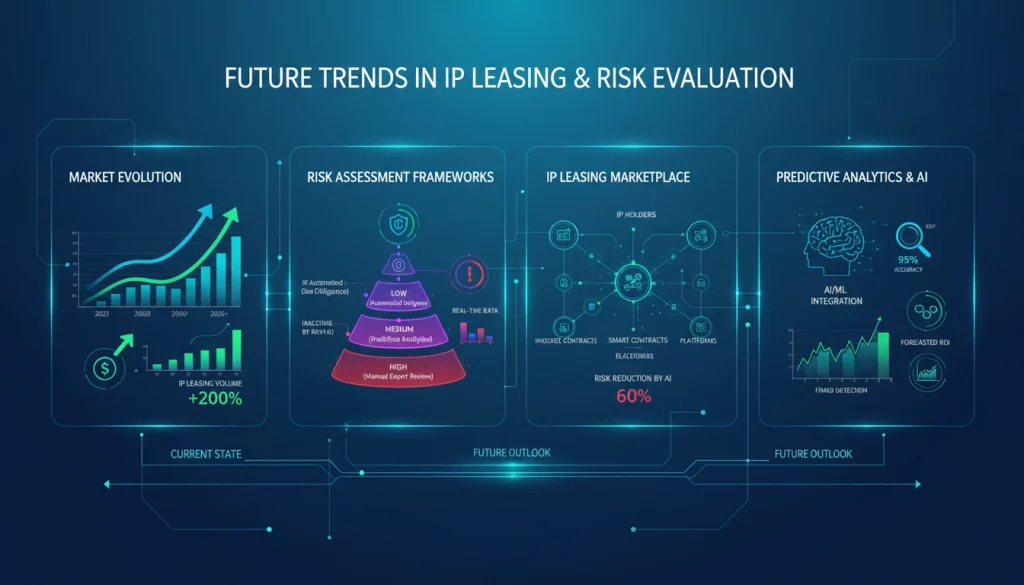
Exclusive reliance on IP reputation can create security vulnerabilities: an IP address with a positive historical record may be compromised at a later stage, rendering reputation-based assessments obsolete. Conversely, overreliance on IP risk scores may result in the over-flagging of benign IP addresses, leading to unnecessary disruptions.
By integrating both metrics — historical trustworthiness (reputation) and real-time risk context (risk score) — organizations can implement a nuanced, layered security approach:
- Leverage reputation metrics for long-term allow-list configurations, baseline trust evaluations, and email deliverability decisions.
- Utilize risk scores for real-time decision-making processes, including adaptive security protocols (e.g., login risk assessment, fraud detection, content filtering).
This hybrid strategy achieves a balance between operational reliability and security resilience, enabling organizations to trust legitimate actors while maintaining vigilance against emerging threats.
IP risk scoring is now a core defence layer in an era where threats hide inside trusted infrastructures
—Alex Morgan, Cybersecurity Strategist
Challenges and Limitations
Data Quality and Coverage
Reputation databases are contingent upon the accuracy and timeliness of historical activity records. For IP addresses with insufficient monitoring (e.g., newly allocated IPs, dynamically assigned addresses, shared IP pools), reputation assessments may be incomplete or misleading.
Risk scoring systems depend on the integration of multiple data sources and heuristic algorithms, which inherently introduce the potential for false positives and false negatives — particularly in edge cases involving legitimate users utilizing VPNs or proxy services.
Dynamic IP Allocation and Shared Hosting Environments
Modern cloud hosting, shared hosting, and VPN services frequently reuse IP addresses across multiple clients. This practice means that an IP address classified as “clean” at one point may subsequently be utilized for malicious purposes, thereby compromising both reputation and risk assessments.
Transparency and Interpretability
IP risk scores are often generated by proprietary algorithms incorporating numerous variables, making it challenging for organizations to interpret the specific factors contributing to a given IP’s classification. This lack of transparency can hinder the implementation of targeted corrective actions.
Over-Blocking and Business Impact
Excessive reliance on risk scores may result in the blocking or challenging of legitimate users, negatively impacting user experience — particularly among privacy-conscious individuals, VPN users, or legitimate users accessing services via proxy servers.
Expert Perspective
Security analysts emphasize that “IP reputation serves as a foundational component of modern spam and threat filtering mechanisms, providing a framework for identifying trustworthy IP addresses.”
Concurrently, within zero-trust security environments, “reputation alone is insufficient to govern access decisions — real-time risk signals must be integrated to enable dynamic security responses.”
Industry practitioners consistently advocate that “robust cybersecurity requires a layered approach to metrics, combining historical reputation data with real-time risk scoring to adapt to the evolving threat landscape.”
Best Practices for Organisations
Dual Monitoring of Reputation and Risk
Avoid treating IP reputation and IP risk score as interchangeable metrics; each fulfills distinct functions within security and deliverability infrastructure.
Prioritize Risk Scoring for High-Sensitivity Events
Deploy IP risk scores for critical operations such as user logins, financial transactions, registration processes, and access to sensitive data.
Leverage Reputation for Baseline Trust and Long-Term Decisions
Utilize IP reputation for email sending optimization, general firewall whitelisting, and the management of low-risk traffic flows.
Regular Re-evaluation of IP Pools
Conduct periodic assessments of IP address pools — especially those associated with shared hosting or cloud services — to identify reputation degradation or sudden risk spikes.
Integrate IP Signals with Multifactor Authentication Combine IP-based metrics with device fingerprinting, behavioural monitoring, and user authentication protocols to enhance overall security posture.
Trusted IPv4 Leasing for Business Growth
Get enterprise-grade IPv4 space quickly, with seamless deployment and end-to-end management.
Get Started with i.leaseFrequently Asked Questions
Q1: Can an IP Address Possess a Good Reputation but a High Risk Score?
Yes. An IP address may maintain a clean historical record (positive reputation) while exhibiting current risky behaviours or operating within a high-risk environment (e.g., VPN usage, shared data-centre infrastructure), resulting in a elevated risk score.
Q2: Is IP Risk Score More Effective Than IP Reputation for Fraud Prevention?
Generally, yes. IP risk scores incorporate dynamic environmental factors (e.g., proxy utilization, geolocation anomalies, suspicious activity patterns) beyond the scope of historical reputation, rendering them more suitable for fraud detection and real-time security decision-making.
Q3: Can an IP Address’s Reputation Improve Over Time?
Yes. An IP address previously associated with abusive behaviours can gradually restore its reputation if it maintains a sustained period of compliant operation — characterized by the absence of spam, malicious activity, or abuse reports — as recognized by reputation assessment services.
Q4: Are There Standardized Ranges for IP Risk Scores, or Are They Vendor-Specific?
IP risk score ranges are predominantly vendor-specific. Different service providers employ varying scales (e.g., 0–100, 0–10, or custom risk categorizations) based on their proprietary algorithms and data models.
Q5: Should Organisations Rely Exclusively on One Metric (Reputation or Risk Score)?
No. Best practice mandates the combined utilization of both metrics: reputation for baseline trust evaluation and long-term reliability assessments, and risk score for dynamic, context-aware security and fraud prevention.
Related Blogs
相关文章

IPv4市场的未来
尽管 IPv6 持续扩展,稀缺性仍使 IPv4 保持价值,并支撑着一个全球性的二级市场,在这个市场中,IP 地址正日益作为可交易的数字资产发挥作用。 有限的 IPv4 供应催生了一个成熟的二级市场,地址段在全球范围内被买卖和租赁。 价格虽会波动,但来自云计算、托管服务和 AI 基础设施的持续需求表明,IPv4 市场未来多年仍将保持活跃。 发生了什么事? 数字商品的崛起 全球 IPv4 地址市场正进入一个新阶段。IPv4 地址曾被视为由互联网注册机构免费分配的技术资源,如今已作为稀缺的数字资产被交易、租赁和管理。 这种转变源于一个简单的结构性事实:IPv4 协议仅支持大约 43 亿个唯一地址,而全球可自由分配的地址池实际上已经耗尽。随着互联网连接需求不断扩大——从智能手机和云计算到物联网设备——可用供应持续减少。 如今,需要额外地址的公司通常通过转让或二级市场获取,而不是直接从注册机构获得分配。其结果是,一个全球性的市场已经形成,在这个市场中,地址段可以被估值、交易,甚至作为金融工具使用。 根据行业数据,IPv4 地址已经从几乎可以忽略不计的基础设施组成部分,演变为一种被认可的商品。分析人士指出,机构如今可以从此前未使用的地址分配中获得可观回报,而某些地址段根据其规模和信誉,有时价值可达数百万美元。 Larus 等服务商以及类似交易平台所提供的经纪与市场服务的出现,表明互联网寻址系统已与现代数字经济紧密交织在一起。 IPv4 如何成为可交易资产 在早期互联网时代,IP 地址市场的概念几乎难以想象。数十年来,组织可以以极低成本、且监管有限的情况下,从区域互联网注册机构(RIR)获得大规模地址段。 然而,IPv4 地址池的耗尽改变了这一格局。 当新的地址分配不再可获得时,需求开始转向组织之间的转让。那些拥有未使用地址段的机构——通常是大学、早期互联网服务提供商或传统科技企业——突然持有了其他组织在运营和扩展中所需的资产。 行业报告显示,IPv4 地址的价值发生了显著变化。2014 年,IPv4 地址的平均交易价格约为每个 15 美元。五年内,这一价格翻倍至约 30 美元,而到 2021–2022 年,一些交易甚至超过每个地址 45 至 60 美元。 正如一位经纪行业高管在分析中所指出的,IPv4 地址实际上已成为数字基础设施经济中的一种“商品”。 这一转变重新塑造了企业管理网络资源的方式。IPv4 地址不再仅仅被视为技术标识符,IPv4 地址资源如今也被计入资产负债表,成为可以变现的资产。 IPv4 市场结构 现代 IPv4 生态系统由多个相互联动的组成部分构成: 区域互联网注册机构(RIR)ARIN、RIPE NCC 和 APNIC 等机构负责监管地址分配,并监督其各自区域内的转让活动。 经纪商和交易平台专业中介机构协助促成交易,帮助买家寻找可用地址段,并确保交易符合注册机构政策要求。 二级市场买家云服务提供商、托管公司、电信运营商和数据平台是 IPv4 资源的主要购买方。 地址转让流程本身类似于受监管的资产交易。买方必须说明其对地址资源的需求,并遵守注册机构的相关要求,而经纪商通常还会提供托管服务和验证流程,以降低欺诈风险。Read more Related Posts IPv4 租赁 vs 购买|2026 年 IPv4 市场结构性风险解析 在 IPv4 稀缺持续加剧的市场中,租赁与购买已不只是价格差异,而是两种不同的风险结构。本文解析 IPv4 租赁与购买的成本、控制权、连续性、市场风险与适用场景,帮助企业制定更合适的 IP 策略。 重点摘要 到了 2026 年,IPv4 租赁已经成为一种更灵活的运营模式,月租价格相对稳定,主要由稀缺性和快速部署需求驱动。IPv4 购买则越来越像一种长期资产策略,但也会暴露在价格周期、流动性变化和资金锁定风险之下。 IPv4 已经不只是基础设施,它是一个稀缺市场 IPv4 地址系统已经完全转入二级市场生态。自从 IANA 的免费分配耗尽后,组织现在主要依赖以下方式取得 IPv4:通过区域互联网注册机构(RIR)的转移经纪撮合的二级市场买卖像 Read more IPv4 leasing vs purchasing: structural risk in the IPv4 address market IPv4 leasing vs purchasing reflects a structural shift in IP address markets, balancing cost, control, scarcity, and operational risk in Read more تأجير IPv4 لمراكز البيانات: ما الذي تحتاج إلى معرفته مع تزايد ندرة IPv4، تعتمد مراكز البيانات بشكل متزايد على التأجير لتوسيع البنية التحتية، والتحكم في التكاليف، والحفاظ على اتصال Read more .related-post {} .related-post .post-list { text-align: left; } .related-post .post-list .item { margin: 5px; padding: 10px; } .related-post .headline { font-size: 18px !important; color: #999999 !important; } .related-post .post-list .item .post_thumb { max-height: 220px; margin: 10px 0px; padding: 0px; display: block; } .related-post .post-list .item .post_title { font-size: 16px; color: #3f3f3f; margin: 10px 0px; padding: 0px; display: block; text-decoration: none; } .related-post .post-list .item .post_excerpt { font-size: 13px; color: #3f3f3f; margin: 10px 0px; padding: 0px; display: block; text-decoration: none; } @media only screen and (min-width: 1024px) { .related-post .post-list .item { width: 30%; } } @media only screen and (min-width: 768px) and (max-width: 1023px) { .related-post .post-list .item { width: 90%; } } @media only screen and (min-width: 0px) and (max-width: 767px) { .related-post .post-list .item { width: 90%; } }

市场上的IPv4定价由哪些因素决定?
IPv4 地址的稀缺性、不断变化的需求以及 i.lease 等租赁平台正在重塑全球 IPv4 地址的价值评估和交易方式。 IPv4 地址的定价主要受稀缺性、区块大小以及不同地区和行业需求波动的影响。 包括 i.lease 在内的租赁模式正在动荡的购买市场中稳定成本。 市场上的IPv4定价由哪些因素决定? 稀缺性塑造的市场 IPv4 地址曾经是自由分配的,如今却已成为一种可交易的数字商品。过去十年间,随着全球 IPv4 地址枯竭的加剧,一个二级市场应运而生,各机构在此买卖和租赁地址块。 如今,IPv4 的定价反映了经济稀缺性、技术限制和制度安排之间复杂的相互作用。虽然 2025-2026 年的平均购买价格大致在每个地址 30 美元到 50 美元之间,但这一价格范围掩盖了因地址块大小、地理位置和使用情况而产生的显著差异。 与此同时,租赁引入了一种更可预测的定价模式。月租费通常在每个 IP 地址 0.30 美元到 0.50 美元左右,形成了一种类似订阅的市场,这与波动较大的购买价格形成鲜明对比。 最终,IPv4 并没有一个单一的“价格”,而是一个受结构性限制塑造的碎片化市场。 稀缺性仍然是根本驱动因素 IPv4 定价最关键的因素很简单:地址数量有限。 IPv4 协议提供约 43 亿个地址,而所有由区域注册机构管理的主要地址池自 2010 年代初以来均已耗尽。剩余的地址只能通过转让或租赁的方式重新分配。正如一份行业分析报告指出,“供应固定,需求增长”是市场价格动态的根本原因。 这种稀缺性已将 IPv4 从基础设施转变为一种资产类别。2020 年至 2022 年间,IPv4 价格飙升,一度达到每个地址 45 至 60 美元的高位,之后近年来有所回落。即使价格出现暂时性调整,有限供应造成的结构性上限仍然支撑着 IPv4 的长期估值。 需求模式正在转变,而不是消失 虽然稀缺性是恒定的,但需求却并非如此。相反,需求变得更加分散且周期性波动。 云计算、移动服务和联网设备的兴起持续支撑着基本需求。与此同时,大型买家(尤其是超大规模数据中心)的行为对价格产生了不成比例的影响。 例如,到 2025 年,IPv4 总传输量增长了 28%,而价格却下降了约 33%,这反映出主要参与者竞价力度的减弱。 这揭示了一个关键的动态:需求并非简单地推高价格,它还会重新分配市场力量。当大型买家退出市场时,小型参与者就会涌入,从而增加交易量,但降低价格压力。 区块大小造成价格不对称 并非所有IPv4地址的价格都相同。地址块大小起着至关重要的作用。Read more Related Posts IPv4 租赁 vs 购买|2026 年 IPv4 市场结构性风险解析 在 IPv4 稀缺持续加剧的市场中,租赁与购买已不只是价格差异,而是两种不同的风险结构。本文解析 IPv4 租赁与购买的成本、控制权、连续性、市场风险与适用场景,帮助企业制定更合适的 IP 策略。 重点摘要 到了 2026 年,IPv4 租赁已经成为一种更灵活的运营模式,月租价格相对稳定,主要由稀缺性和快速部署需求驱动。IPv4 购买则越来越像一种长期资产策略,但也会暴露在价格周期、流动性变化和资金锁定风险之下。 IPv4 已经不只是基础设施,它是一个稀缺市场 IPv4 地址系统已经完全转入二级市场生态。自从 IANA 的免费分配耗尽后,组织现在主要依赖以下方式取得 IPv4:通过区域互联网注册机构(RIR)的转移经纪撮合的二级市场买卖像 Read more IPv4 leasing vs purchasing: structural risk in the IPv4 address market IPv4 leasing vs purchasing reflects a structural shift in IP address markets, balancing cost, control, scarcity, and operational risk in Read more تأجير IPv4 لمراكز البيانات: ما الذي تحتاج إلى معرفته مع تزايد ندرة IPv4، تعتمد مراكز البيانات بشكل متزايد على التأجير لتوسيع البنية التحتية، والتحكم في التكاليف، والحفاظ على اتصال Read more .related-post {} .related-post .post-list { text-align: left; } .related-post .post-list .item { margin: 5px; padding: 10px; } .related-post .headline { font-size: 18px !important; color: #999999 !important; } .related-post .post-list .item .post_thumb { max-height: 220px; margin: 10px 0px; padding: 0px; display: block; } .related-post .post-list .item .post_title { font-size: 16px; color: #3f3f3f; margin: 10px 0px; padding: 0px; display: block; text-decoration: none; } .related-post .post-list .item .post_excerpt { font-size: 13px; color: #3f3f3f; margin: 10px 0px; padding: 0px; display: block; text-decoration: none; } @media only screen and (min-width: 1024px) { .related-post .post-list .item { width: 30%; } } @media only screen and (min-width: 768px) and (max-width: 1023px) { .related-post .post-list .item { width: 90%; } } @media only screen and (min-width: 0px) and (max-width: 767px) { .related-post .post-list .item { width: 90%; } }
关于 弹性IP地址 Elastic IP address: AWS 用户指南
在云计算中,保持 稳定的 IP 地址 对于 网站托管、应用程序和网络管理 至关重要。这就是 Elastic IP 地址(弹性 IP) 发挥作用的地方。如果你使用 亚马逊云 AWS,了解 Elastic IP 的工作原理,可以帮助你 提高可靠性、防止宕机,并优化云端成本。本文将详细介绍 Elastic IP 的定义、工作方式、优势及最佳实践。 什么是弹性 IP 地址? Elastic IP 地址 是 AWS 提供的静态公网 IPv4 地址,可分配给 Amazon EC2(Elastic Compute Cloud)实例。与普通公网 IP 不同,Elastic IP 在实例重启后不会更改,确保服务稳定运行。 弹性 IP 的工作原理 Elastic IP 地址来自 AWS 的 IP 地址池,并可随时分配给 EC2 实例。如果实例发生故障,你可以 快速将 Elastic IP 重新绑定到另一台实例,从而减少宕机时间,保持业务连续性。 ? Elastic IP 主要特点: ✔ 静态 IP 地址 – 不会随实例重启而改变。✔ 可自由分配 – 可在同一区域内的不同实例间切换。✔Read more Related Posts IPv4 租赁 vs 购买|2026 年 IPv4 市场结构性风险解析 在 IPv4 稀缺持续加剧的市场中,租赁与购买已不只是价格差异,而是两种不同的风险结构。本文解析 IPv4 租赁与购买的成本、控制权、连续性、市场风险与适用场景,帮助企业制定更合适的 IP 策略。 重点摘要 到了 2026 年,IPv4 租赁已经成为一种更灵活的运营模式,月租价格相对稳定,主要由稀缺性和快速部署需求驱动。IPv4 购买则越来越像一种长期资产策略,但也会暴露在价格周期、流动性变化和资金锁定风险之下。 IPv4 已经不只是基础设施,它是一个稀缺市场 IPv4 地址系统已经完全转入二级市场生态。自从 IANA 的免费分配耗尽后,组织现在主要依赖以下方式取得 IPv4:通过区域互联网注册机构(RIR)的转移经纪撮合的二级市场买卖像 Read more IPv4 leasing vs purchasing: structural risk in the IPv4 address market IPv4 leasing vs purchasing reflects a structural shift in IP address markets, balancing cost, control, scarcity, and operational risk in Read more تأجير IPv4 لمراكز البيانات: ما الذي تحتاج إلى معرفته مع تزايد ندرة IPv4، تعتمد مراكز البيانات بشكل متزايد على التأجير لتوسيع البنية التحتية، والتحكم في التكاليف، والحفاظ على اتصال Read more .related-post {} .related-post .post-list { text-align: left; } .related-post .post-list .item { margin: 5px; padding: 10px; } .related-post .headline { font-size: 18px !important; color: #999999 !important; } .related-post .post-list .item .post_thumb { max-height: 220px; margin: 10px 0px; padding: 0px; display: block; } .related-post .post-list .item .post_title { font-size: 16px; color: #3f3f3f; margin: 10px 0px; padding: 0px; display: block; text-decoration: none; } .related-post .post-list .item .post_excerpt { font-size: 13px; color: #3f3f3f; margin: 10px 0px; padding: 0px; display: block; text-decoration: none; } @media only screen and (min-width: 1024px) { .related-post .post-list .item { width: 30%; } } @media only screen and (min-width: 768px) and (max-width: 1023px) { .related-post .post-list .item { width: 90%; } } @media only screen and (min-width: 0px) and (max-width: 767px) { .related-post .post-list .item { width: 90%; } }
