IP Address Allocation Fundamentals
 Stephanie
The allocation process ensures each device gets a distinct address. Without proper allocation, network connections would fail due to duplicate addresses. The system maintains order by following specific distribution rules.
Table of Contents
Address assignment occurs through a structured hierarchy. Global organizations oversee the entire address pool. Regional entities receive allocations from these global authorities. Local providers then distribute addresses to end users. This layered approach prevents address hoarding. It guarantees fair distribution across different regions and network types.
Global Coordination of Address Space
The Internet Assigned Numbers Authority manages worldwide address distribution. This organization operates under ICANN’s supervision. IANA controls the complete pool of available addresses. It doesn’t assign addresses directly to end users. The authority allocates large blocks to Regional Internet Registries. These allocations follow strict policies based on demonstrated needs.
Five Regional Internet Registries handle distribution within specific areas. ARIN serves North America while RIPE NCC covers Europe. APNIC manages Asia-Pacific allocations with LACNIC handling Latin America. AFRINIC distributes addresses across the African continent. Each registry maintains detailed records of all assignments. They provide public access to this information through WHOIS services.
IPv4 Address Distribution Methods
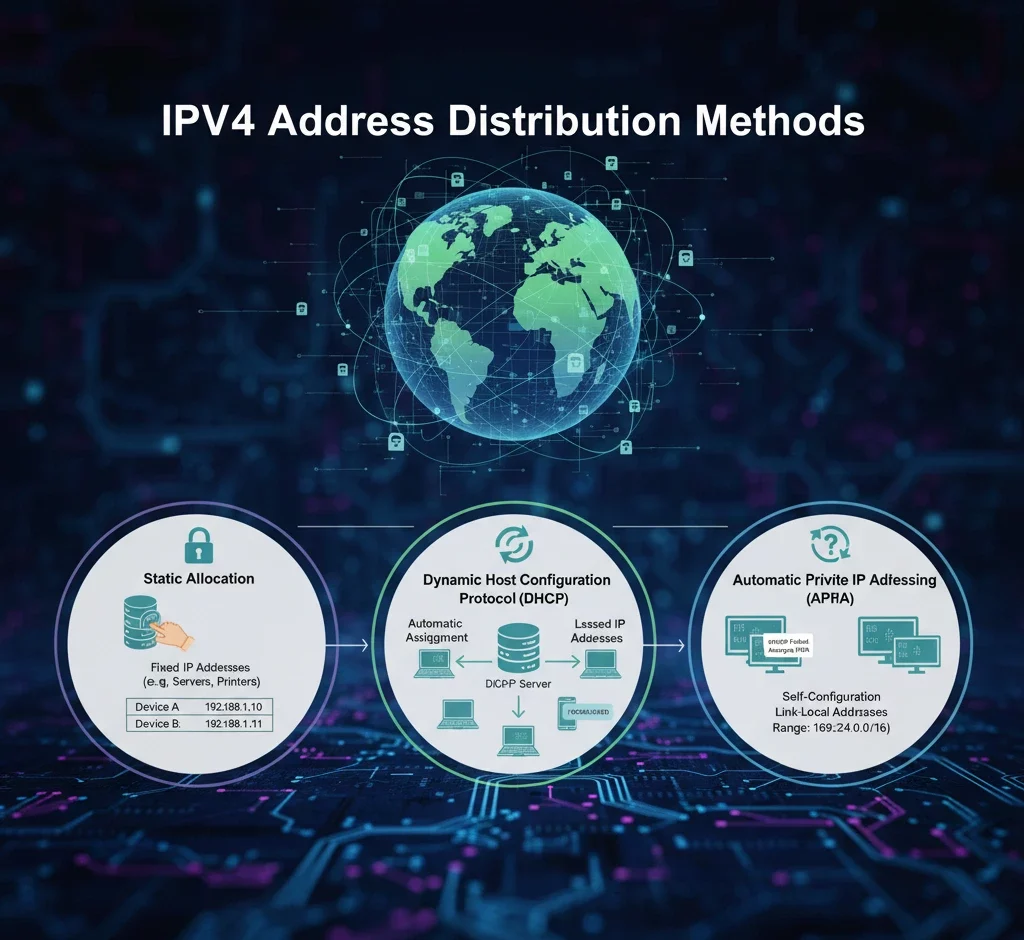
The IPv4 system offers approximately 4.3 billion possible addresses. Limited availability has made distribution increasingly strict. Organizations must provide detailed justification for requests. They must show current address usage statistics. Future growth projections must accompany all applications. This verification process ensures efficient use of remaining IPv4 space.
Regional registries have implemented special policies for IPv4 distribution. Many maintain waiting lists for address requests. Some only assign small blocks from remaining pools. Transfer markets allow organizations to buy and sell IPv4 blocks. All transfers require registry approval. IPv6 Address Assignment Differences
This abundance allows more flexible assignment policies. Organizations typically receive larger IPv6 blocks without strict justification. The generous allocations support better network designs. They eliminate address sharing requirements in most cases.
IPv6 assignment encourages early adoption and future growth. Registries assign blocks based on existing infrastructure. Most networks receive at least a /32 block initially. This approach simplifies network planning. It removes artificial constraints present in IPv4 deployments. The policies promote efficient routing through contiguous assignments.
Fixed Address Assignment Practices
Permanent address assignments serve critical network devices. Servers and network equipment use fixed addresses. This method ensures consistent access to important systems. Many applications require knowing exact device addresses. Fixed addressing simplifies network management and troubleshooting.
Managing fixed addresses requires careful organization. Network administrators must track all assignments precisely. Most networks reserve specific ranges for fixed use. Detailed records should include device information and assignment dates.
IP address management software helps maintain accurate records. Proper documentation prevents conflicts and simplifies network expansions.
Dynamic Address Assignment Systems
Most client devices use automatic address assignment. The DHCP protocol handles this process efficiently. Devices request addresses when connecting to networks. DHCP servers manage pools of available addresses. They assign addresses with configured lease durations. This method optimizes address utilization across networks.
Lease durations vary based on network requirements. Short leases work well for transient devices. Longer leases suit stable network environments. The system automatically reclaims addresses when devices disconnect. DHCP servers provide complete network configuration to clients. This includes subnet masks and default gateway information.
DHCP Server Configuration Details
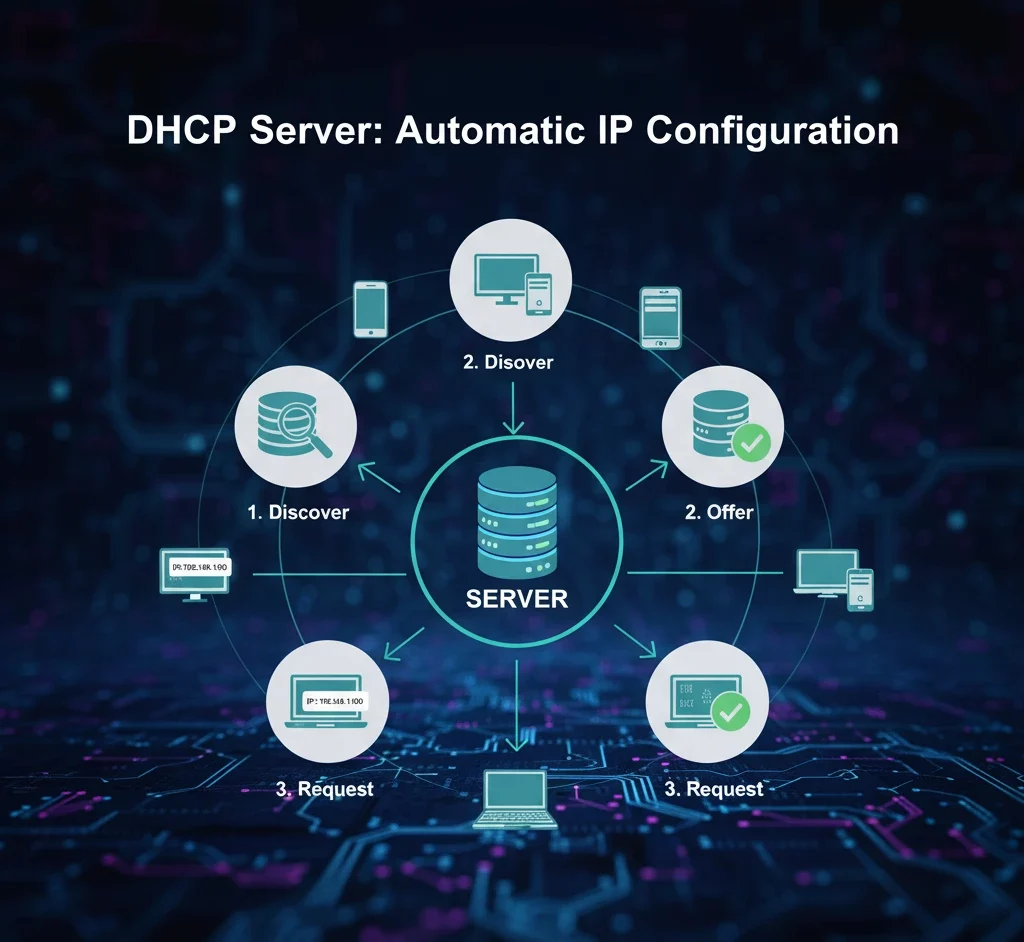
Enterprise DHCP servers offer advanced functionality. They integrate with DNS systems for automatic updates. Configuration requires careful planning of address ranges. Lease durations should match network characteristics. Most networks implement backup servers for reliability. Security features prevent unauthorized DHCP activity.
Server configurations include multiple option fields. These provide additional network parameters to clients. Time server information often gets distributed through DHCP.
Large networks may use multiple servers with split scopes. Proper DHCP configuration forms a critical network foundation. It ensures reliable connectivity for all client devices.
Private and Public Address Usage
Private addresses operate within local networks only. RFC 1918 defines these non-routable address ranges. Organizations can use them freely without registration. Network Address Translation enables internet access for private-addressed devices. This technology conserves scarce public address space.
Public addresses require proper registration and allocation. They must remain globally unique to function properly. Organizations obtain public addresses from providers or registries. These addresses enable direct internet connectivity. The assignment process prevents duplicate public addresses worldwide. Proper management maintains internet routing integrity.
Internet Service Provider Allocation
Providers receive large address blocks from registries. They distribute addresses to customers based on service plans. Residential users typically get dynamic or shared addresses. Business customers often receive static public addresses. Providers must carefully track address usage patterns.
Many providers operate automated assignment systems. These systems assign addresses based on service types. As IPv4 resources dwindle, providers implement IPv6 support. Some use carrier-grade NAT to extend IPv4 availability. Transition strategies vary among different providers.
Cloud Computing Address Management
Cloud platforms use sophisticated address management systems. They automatically assign addresses when creating resources. Virtual networks allow custom address space definitions. Providers offer various address types for different needs. Cloud environments abstract physical network constraints.
Major platforms obtain address space directly from registries. They implement advanced software-defined networking. Customers manage addresses through web interfaces and APIs. Cloud models have transformed traditional address assignment. They enable elastic address allocation matching resource demands.
Mobile Network Addressing Systems
Cellular networks use specialized assignment methods. Most carriers implement address sharing technologies. IPv6 adoption enables direct device addressing. Standards define specific methods for mobile networks. These account for device mobility and always-on connectivity.
Operators face unique assignment challenges. Their systems must handle constant device movement. Many use hierarchical assignment approaches. The growth of mobile IoT devices complicates strategies. Some operators provide public IPv6 addresses to devices. Others continue using carrier-grade NAT solutions.
Enterprise Network Address Planning
Large organizations implement comprehensive address plans. They typically divide networks into logical segments. Each segment gets its own address range. This improves security through access controls. It simplifies troubleshooting by creating clear boundaries.
Many enterprises use IP address management software. These tools automate assignment tracking. Large organizations may request independent address space. Proper planning includes growth provisions. Regular audits verify address usage matches documentation. Recovery policies reclaim unused addresses.
Data Center Address Allocation
Modern data centers require meticulous address planning. Virtualization increases address needs significantly. Software-defined networking adds complexity. Data centers must coordinate physical and virtual addressing. High-density deployments demand efficient allocation methods.
Many facilities use automation for address assignments. These systems integrate with management databases. Security models may require unique addresses per workload. Containerized applications need special address planning. Proper allocation supports reliable data center operations.
IoT Deployment Addressing
IoT implementations create massive address demands. Many use IPv6 to avoid exhaustion concerns. Some implement special assignment methods for IoT devices. Industrial systems often need fixed addressing. Security concerns influence assignment strategies.
Network segmentation isolates IoT devices from other systems. Some implementations use private addressing for internal components. Short DHCP leases prevent address exhaustion. Proper allocation supports IoT functionality while maintaining security. The growth of IoT drives IPv6 adoption significantly.
IPv4 to IPv6 Transition Strategies
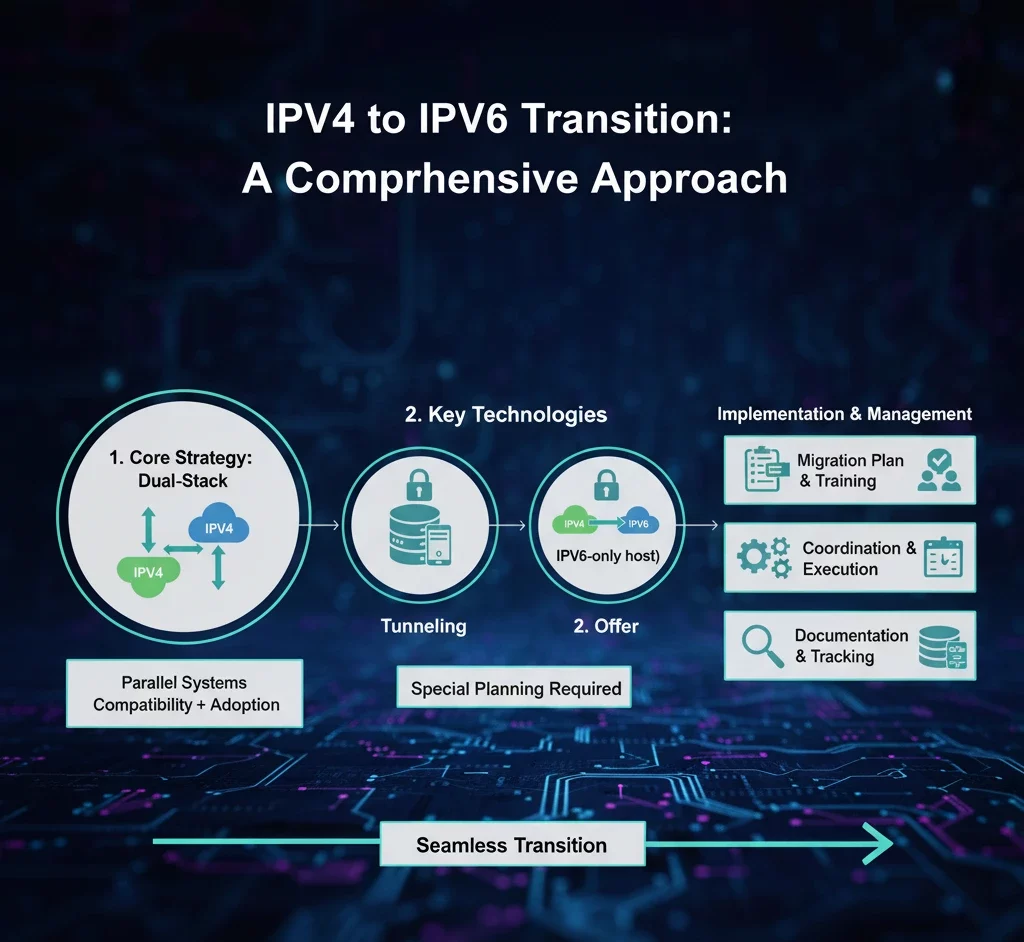
Most networks implement dual-stack operation during transition. This maintains compatibility while enabling IPv6 adoption. Assignment systems must manage both address types. The migration involves running parallel systems temporarily. Different transition methods require specific approaches.
Tunneling and translation technologies need special planning. Organizations should develop detailed migration plans. Staff training ensures proper management during transition. The process requires careful coordination across teams. Documentation should track all address assignments during migration.
Most networks implement dual-stack operation during transition. This maintains compatibility while enabling IPv6 adoption. Assignment systems must manage both address types. The migration involves running parallel systems temporarily. Different transition methods require specific approaches.
Tunneling and translation technologies need special planning. Organizations should develop detailed migration plans. Staff training ensures proper management during transition. The process requires careful coordination across teams. Documentation should track all address assignments during migration.
IP Address Management Tools
Specialized software helps manage address assignments. These systems provide centralized tracking. Advanced features include conflict detection and DNS integration. Many solutions offer reporting capabilities. Enterprise systems support complete lifecycle management.
Cloud-based options manage hybrid environments. The tools help optimize address usage. They simplify expansion and renumbering projects. Proper tool selection depends on network size and complexity. Implementation requires careful planning and configuration.
Common Allocation Problems
Address conflicts cause connectivity issues. These often result from duplicate assignments. Proper management practices prevent most conflicts. Network scans identify unauthorized static assignments. Address exhaustion plagues IPv4 networks. Careful planning with growth buffers helps.
NAT technology conserves public addresses. IPv6 networks face different sizing challenges. Legacy systems sometimes cause assignment issues. Network documentation helps troubleshoot problems.
Security Considerations
Assignment practices impact network security. Fixed addresses present higher risks. Regular changes reduce exposure. Network segmentation contains potential breaches. DHCP servers require protection. Monitoring detects rogue server activity.
Management systems should integrate with security tools. Proper assignment supports defense strategies. Security policies must cover address management. Logs should record all assignment changes. These measures maintain network integrity.
Emerging Trends
5G networks need new assignment approaches. Edge computing requires distributed management. IPv6 adoption changes traditional paradigms. AI applications optimize assignment patterns. Blockchain solutions have been proposed.
Innovations promise more efficient systems. Technologies must adapt to evolving needs. Networks require flexible assignment strategies. The field continues evolving rapidly. Professionals must stay informed about developments.
Future Challenges
IPv4 exhaustion continues causing issues. Complex workarounds or IPv6 adoption are needed. Hybrid environments demand new approaches. Smart devices test system scalability. Quantum networking may require new architectures.
Professionals must adapt strategies continuously. Stable operations require ongoing adjustments. The field will keep evolving. Addressing systems must remain flexible. Proper planning prepares networks for future needs.
IP Address Allocation in Specialized Environments
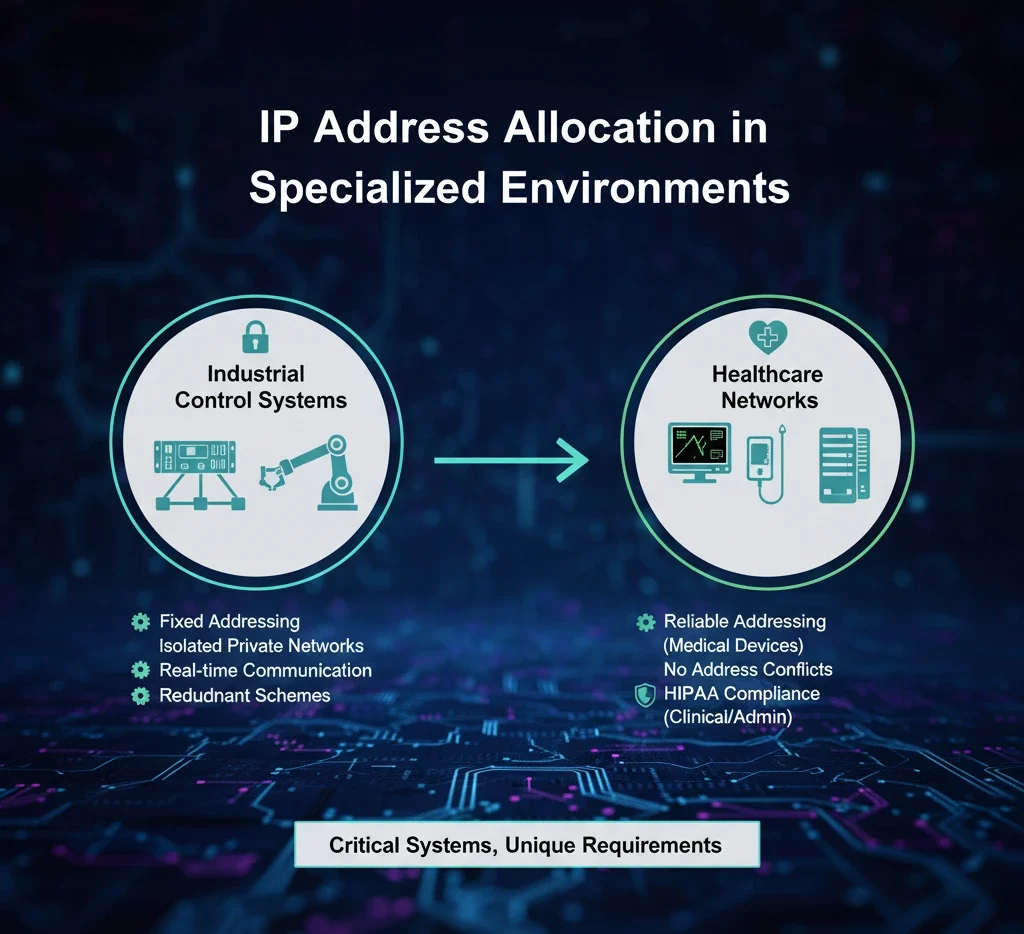
Industrial control systems require unique address allocation approaches. Manufacturing plants use specialized protocols with fixed addressing needs. Programmable logic controllers demand consistent IP assignments. These systems often operate on isolated networks with private address space. The allocation must account for real-time communication requirements. Redundant systems frequently mirror addressing schemes for failover capabilities.
Healthcare networks present distinct allocation challenges. Medical devices require reliable addressing for continuous operation. Patient monitoring systems cannot tolerate address conflicts. HIPAA regulations influence address management practices. Separate networks often handle clinical systems and administrative functions. Downtime can have life-threatening consequences in these environments.
Educational Institution Allocation Practices
Universities manage complex address allocation needs. Campus networks serve diverse user groups with different requirements. Student devices connect and disconnect frequently throughout the day. Research projects may need special address allocations for experimental setups. Wireless networks experience high address turnover in lecture halls.
Academic networks typically implement multiple subnets. Faculty, staff, and students each receive dedicated address ranges. Guest networks accommodate visitor access without compromising security. Library systems and research labs often need static assignments. The allocation system must scale during peak enrollment periods.
Government Network Allocation Methods
Public sector networks emphasize security in address allocation. Many agencies implement strict assignment policies. Detailed audit trails track all address changes. Some organizations use proprietary addressing schemes for added protection. Inter-agency connections require careful coordination of address space.
Shared services need compatible addressing across departments. Transition plans must account for bureaucratic processes. Compliance requirements dictate specific documentation practices. Government networks often operate under higher security classifications. These factors influence address allocation decisions.
Financial Sector Allocation Requirements
Banks and trading platforms have stringent addressing needs. Low-latency networks demand optimized address assignments. Transaction systems require consistent addressing for reliable operation. Security controls include IP-based restrictions for sensitive systems. Fraud detection monitors address patterns for suspicious activity.
Disaster recovery plans include detailed addressing documentation. Financial networks often use proprietary protocols with specific requirements. The allocation system must support high availability architectures. Regular audits verify compliance with financial regulations.
Smart City Addressing Infrastructure
Municipal networks connect diverse urban systems. Traffic management requires reliable addressing for signal coordination. Utility networks need consistent addressing for grid monitoring. Public safety systems depend on stable address assignments. The growth of IoT devices increases address demands.
Network segmentation isolates critical infrastructure systems. Centralized management provides oversight across departments. The allocation system must accommodate future expansion. Security considerations influence address assignment strategies.
Allocation for E-Commerce Platforms
Online businesses depend on reliable addressing. Load balancers distribute traffic using virtual IP addresses. Content delivery networks employ geographic IP assignment. These systems require careful address planning. The allocation must support peak shopping periods.
Security measures include IP-based rate limiting. Fraud prevention systems analyze address patterns. Temporary blocks prevent brute force attacks. The address management system must integrate with e-commerce platforms.
Entertainment Industry Allocation Needs
Media companies have specialized addressing requirements. Content delivery networks require optimized address assignments. Streaming platforms need reliable addressing for quality service. Broadcast systems use consistent addressing for equipment control.
The allocation system must support high-bandwidth applications. Network segmentation separates production and administrative traffic. Address management integrates with digital rights management systems.
FAQ
1. What are the fundamental steps in IP address allocation?
IP address allocation begins with global coordination, where large blocks of addresses are managed by a top-level authority and passed down through regional registries to local providers. Then within networks, addresses are assigned via fixed/static methods or dynamically (for example via DHCP). Networks must also divide up addresses logically (subnets), decide between public vs private space, plan for usage (IoT, mobile, enterprise, cloud), and consider transition from IPv4 to IPv6.
2. How do IPv4 and IPv6 differ in allocation approaches?
Because the older IPv4 address space is nearly exhausted, stricter controls apply: organisations often have to justify needs, show usage statistics, accept smaller blocks, and participate in transfer markets.
The newer IPv6 space has far more addresses, so the emphasis shifts toward planning for growth, running dual-stack systems (IPv4 + IPv6), and transitioning existing networks. The allocation process remains similar but the constraints and long-term planning differ.
3. What allocation considerations come into play for specialised environments (e.g., mobile, IoT, data centres)?
In mobile networks, devices move and connect/disconnect frequently, so dynamic addressing, carrier-grade NAT or IPv6 direct addressing are common. In IoT, large numbers of devices and small form factors mean assignment methods must scale, often use private space, and management/segmentation becomes crucial.
Data centres face high density, virtualization and containerization—so they must map physical and virtual address space, automate allocation, and support rapid growth or change.
4. What are common problems in IP allocation and how can they be mitigated?
Common issues include IP conflicts (duplicate addresses), address exhaustion (especially IPv4), undocumented static assignments, and poor transition planning to IPv6. Mitigations include: regular audits of address usage; reclaiming unused addresses; using IP Address Management (IPAM) tools to track assignments; careful planning of subnets; adopting IPv6 proactively; and applying good security practices around DHCP/static allocation.
5. What best practices should organisations follow for efficient and secure IP address allocation?
- Adopt a clear hierarchical address plan (e.g., by geography, business function, device type).
- Use dynamic allocation for non-critical devices, reserve static/public addresses for key systems.
- Use IPAM tools to track assignments, usage, growth trends and automate where possible.
- Plan and implement IPv6 support early rather than delaying.
- Document everything: assignment records, lease times, ownership. Perform audits.
- Segment networks (IoT, data centre, guest, production) to control exposures and growth.
- Periodically review, reclaim and optimise address space to avoid waste and conflicts.
Trusted IPv4 Leasing for Business Growth
Get enterprise-grade IPv4 space quickly, with seamless deployment and end-to-end management.
Get Started with i.leaseRelated Blogs
相关文章

什么是电信公司?电信运营商如何为英国、美国和加拿大提供网络连接支持?
电信公司(Telco Companies),也称为电信运营商(Telecommunications Companies),提供通信与网络连接服务。这些服务包括移动通信网络、宽带互联网、光纤连接、固定电话服务、企业网络连接、云连接、托管网络服务以及数据中心连接等。 对于普通消费者而言,电信公司通常被视为移动通信或宽带互联网服务提供商。对于企业来说,电信公司远不只是一个服务品牌,更是关键的基础设施合作伙伴,帮助企业连接办公室、数据中心、云平台、远程员工、客户应用程序以及各类数字化服务。 随着企业越来越依赖云平台、SaaS 应用、AI 工具、VPN、网络安全系统以及在线服务,电信公司已成为数字基础设施规划中不可或缺的重要组成部分。 电信公司是什么? 电信公司(Telco Companies)是提供电信服务的企业。这些服务让个人、设备、企业和各种系统能够跨越距离进行通信与连接。 一家电信公司可能提供以下服务: 移动通信服务 宽带互联网 光纤连接 固定电话服务 企业互联网接入 企业广域网(WAN)服务 云连接服务 数据中心连接 VPN 服务 托管网络解决方案 互联网传输(Internet Transit) 电信批发服务 部分电信公司拥有并运营大规模的实体网络基础设施;另一些则通过批发接入、租用基础设施或与网络运营商合作来提供电信服务。 电信公司提供哪些服务? 电信公司同时为个人消费者和企业客户提供服务。 面向消费者的服务通常包括移动通信套餐、家庭宽带、光纤互联网、固定电话以及通信组合套餐。 面向企业的服务则可能包括专线互联网接入、企业光纤、专用网络、云连接、托管安全服务、数据中心连接、物联网(IoT)连接以及企业移动通信方案。 对于大型企业客户,电信公司还可提供: 多地点办公室网络连接 远程员工接入 私有云连接 SD-WAN(软件定义广域网) 灾难恢复连接 低延迟网络路由 互联网传输(Internet Transit) 网络监控 托管防火墙服务 正因如此,电信公司不仅对日常通信至关重要,也是现代企业建设先进数字基础设施的重要支柱。 电信公司 vs 互联网服务提供商 vs 网络运营商 电信公司(Telco)、互联网服务提供商(ISP)和网络运营商(Network Operator)之间可能存在重叠,但它们并不完全相同。 电信公司提供电信服务。 互联网服务提供商(ISP)提供互联网接入服务。 网络运营商负责建设、运营和管理网络基础设施。 一些大型电信公司同时承担这三种角色。它们拥有基础设施、运营网络,并向市场提供互联网、移动通信以及企业网络服务。 规模较小的服务提供商则可能专注于其中某一层。例如,互联网服务提供商(ISP)可以销售宽带服务,而无需拥有所有实体网络基础设施;网络运营商可能负责建设和运营光纤网络,并向电信公司或 ISP 提供批发网络接入;电信公司则可能结合自有网络与合作伙伴网络,为客户提供移动通信和企业服务。 对于企业而言,理解这些区别非常重要,因为服务质量不仅取决于销售该方案的品牌,还受到其底层网络、路由设计、网络覆盖范围以及技术支持体系等因素的影响。 为什么电信公司对企业至关重要 电信公司之所以重要,是因为几乎所有现代企业都依赖稳定的网络连接。 企业可能需要电信服务来支持: 办公室互联网接入 移动网络连接 远程办公 客户支持系统 云应用程序 SaaS 平台 支付系统 VPNRead more Related Posts 什么是电信公司?电信运营商如何为英国、美国和加拿大提供网络连接支持? 电信公司(Telco Companies),也称为电信运营商(Telecommunications Companies),提供通信与网络连接服务。这些服务包括移动通信网络、宽带互联网、光纤连接、固定电话服务、企业网络连接、云连接、托管网络服务以及数据中心连接等。 对于普通消费者而言,电信公司通常被视为移动通信或宽带互联网服务提供商。对于企业来说,电信公司远不只是一个服务品牌,更是关键的基础设施合作伙伴,帮助企业连接办公室、数据中心、云平台、远程员工、客户应用程序以及各类数字化服务。 随着企业越来越依赖云平台、SaaS 应用、AI 工具、VPN、网络安全系统以及在线服务,电信公司已成为数字基础设施规划中不可或缺的重要组成部分。 电信公司是什么? 电信公司(Telco Companies)是提供电信服务的企业。这些服务让个人、设备、企业和各种系统能够跨越距离进行通信与连接。 一家电信公司可能提供以下服务: 移动通信服务 宽带互联网 光纤连接 固定电话服务 企业互联网接入 企业广域网(WAN)服务 云连接服务 数据中心连接 VPN TCP 与 UDP:IPv4 租赁和企业网络指南 TCP 和 UDP 是互联网中最重要的两种传输层协议。它们决定数据如何在设备、服务器、云平台、VPN 网关、DNS 解析器、电子邮件系统、流媒体平台以及企业应用程序之间传输。 对于企业而言,TCP 和 UDP 不仅仅是技术术语,它们会直接影响实际的基础设施性能。公网 IPv4 地址提供可从互联网访问的网络端点,而 TCP 和 UDP 则决定流量如何通过该端点进行传输。 这对于租用或购买 IPv4 地址的企业尤为重要。企业租用 IPv4 什么是区域互联网注册管理机构(RIR) 区域互联网注册管理机构(Regional Internet Registry, RIR)是负责在特定地理区域内分配和管理互联网编号资源的组织。这些资源主要包括 IP 地址(IPv4 和 IPv6)以及自治系统号(ASN),它们是支撑设备和网络在互联网上相互通信的关键要素。 如果没有一套组织完善的系统来分配唯一的 IP 地址和路由标识符,互联网便无法正常运转。RIR 确保这一过程在各自管辖的区域内保持公平、高效与一致,从而避免冲突,并提升互联网治理的透明度。 全球五大 RIR 目前全球共有五家获官方认可的 RIR,各自负责世界上特定的区域:AFRINIC – 非洲网络信息中心(非洲)APNIC – 亚太网络信息中心(亚太地区)ARIN .related-post {} .related-post .post-list { text-align: left; } .related-post .post-list .item { margin: 5px; padding: 10px; } .related-post .headline { font-size: 18px !important; color: #999999 !important; } .related-post .post-list .item .post_thumb { max-height: 220px; margin: 10px 0px; padding: 0px; display: block; } .related-post .post-list .item .post_title { font-size: 16px; color: #3f3f3f; margin: 10px 0px; padding: 0px; display: block; text-decoration: none; } .related-post .post-list .item .post_excerpt { font-size: 13px; color: #3f3f3f; margin: 10px 0px; padding: 0px; display: block; text-decoration: none; } @media only screen and (min-width: 1024px) { .related-post .post-list .item { width: 30%; } } @media only screen and (min-width: 768px) and (max-width: 1023px) { .related-post .post-list .item { width: 90%; } } @media only screen and (min-width: 0px) and (max-width: 767px) { .related-post .post-list .item { width: 90%; } }
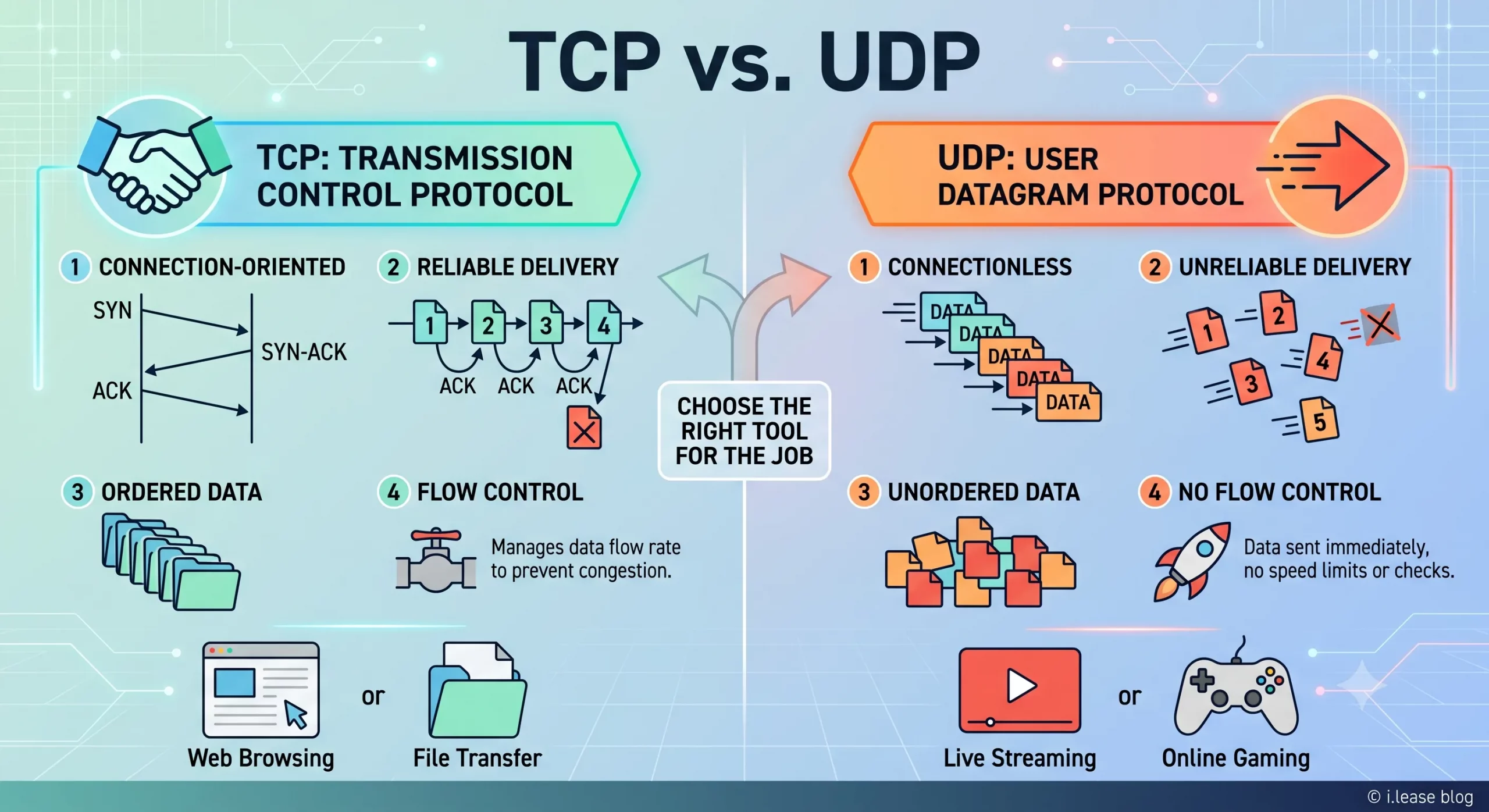
TCP 与 UDP:IPv4 租赁和企业网络指南
TCP 和 UDP 是互联网中最重要的两种传输层协议。它们决定数据如何在设备、服务器、云平台、VPN 网关、DNS 解析器、电子邮件系统、流媒体平台以及企业应用程序之间传输。 对于企业而言,TCP 和 UDP 不仅仅是技术术语,它们会直接影响实际的基础设施性能。公网 IPv4 地址提供可从互联网访问的网络端点,而 TCP 和 UDP 则决定流量如何通过该端点进行传输。 这对于租用或购买 IPv4 地址的企业尤为重要。企业租用 IPv4 地址并不是单纯为了持有这些地址,而是为了运行网站、API、VPN 隧道、DNS 服务、电子邮件平台、SaaS 应用程序、游戏服务器、流媒体系统、安全工具以及云端工作负载。不同类型的服务决定了需要使用 TCP、UDP,还是同时使用两者。 通过 i.lease,企业可以使用 IPv4 租赁服务获取用于实际网络部署的公网 IPv4 资源。需要长期控制 IP 地址资源的企业也可以购买 IP 地址,而拥有闲置 IPv4 资源的组织则可以出售 IP 地址。 TCP和UDP是什么? TCP 和 UDP 都是传输层协议。它们位于 IP 协议之上,帮助应用程序通过网络发送和接收数据。 IP 地址用于确定流量应该发送到哪里,而 TCP 和 UDP 则决定这些流量如何进行传输。 简单来说: TCP 适用于重视可靠性和按顺序传输数据的场景。 UDP 适用于重视速度、低延迟和轻量化数据传输的场景。 企业可能会使用同一个公网 IPv4 地址来运行不同的服务,但每项服务可能依赖不同的传输协议。例如,网站可能使用 TCP,VPN 网关可能使用 UDP,DNS 解析器可能同时使用 UDP 和 TCP,而游戏服务器则可能更倾向于使用 UDP,因为对于实时游戏而言,延迟造成的影响通常比少量数据包丢失更加明显。 因此,TCPRead more Related Posts 什么是电信公司?电信运营商如何为英国、美国和加拿大提供网络连接支持? 电信公司(Telco Companies),也称为电信运营商(Telecommunications Companies),提供通信与网络连接服务。这些服务包括移动通信网络、宽带互联网、光纤连接、固定电话服务、企业网络连接、云连接、托管网络服务以及数据中心连接等。 对于普通消费者而言,电信公司通常被视为移动通信或宽带互联网服务提供商。对于企业来说,电信公司远不只是一个服务品牌,更是关键的基础设施合作伙伴,帮助企业连接办公室、数据中心、云平台、远程员工、客户应用程序以及各类数字化服务。 随着企业越来越依赖云平台、SaaS 应用、AI 工具、VPN、网络安全系统以及在线服务,电信公司已成为数字基础设施规划中不可或缺的重要组成部分。 电信公司是什么? 电信公司(Telco Companies)是提供电信服务的企业。这些服务让个人、设备、企业和各种系统能够跨越距离进行通信与连接。 一家电信公司可能提供以下服务: 移动通信服务 宽带互联网 光纤连接 固定电话服务 企业互联网接入 企业广域网(WAN)服务 云连接服务 数据中心连接 VPN TCP 与 UDP:IPv4 租赁和企业网络指南 TCP 和 UDP 是互联网中最重要的两种传输层协议。它们决定数据如何在设备、服务器、云平台、VPN 网关、DNS 解析器、电子邮件系统、流媒体平台以及企业应用程序之间传输。 对于企业而言,TCP 和 UDP 不仅仅是技术术语,它们会直接影响实际的基础设施性能。公网 IPv4 地址提供可从互联网访问的网络端点,而 TCP 和 UDP 则决定流量如何通过该端点进行传输。 这对于租用或购买 IPv4 地址的企业尤为重要。企业租用 IPv4 什么是区域互联网注册管理机构(RIR) 区域互联网注册管理机构(Regional Internet Registry, RIR)是负责在特定地理区域内分配和管理互联网编号资源的组织。这些资源主要包括 IP 地址(IPv4 和 IPv6)以及自治系统号(ASN),它们是支撑设备和网络在互联网上相互通信的关键要素。 如果没有一套组织完善的系统来分配唯一的 IP 地址和路由标识符,互联网便无法正常运转。RIR 确保这一过程在各自管辖的区域内保持公平、高效与一致,从而避免冲突,并提升互联网治理的透明度。 全球五大 RIR 目前全球共有五家获官方认可的 RIR,各自负责世界上特定的区域:AFRINIC – 非洲网络信息中心(非洲)APNIC – 亚太网络信息中心(亚太地区)ARIN .related-post {} .related-post .post-list { text-align: left; } .related-post .post-list .item { margin: 5px; padding: 10px; } .related-post .headline { font-size: 18px !important; color: #999999 !important; } .related-post .post-list .item .post_thumb { max-height: 220px; margin: 10px 0px; padding: 0px; display: block; } .related-post .post-list .item .post_title { font-size: 16px; color: #3f3f3f; margin: 10px 0px; padding: 0px; display: block; text-decoration: none; } .related-post .post-list .item .post_excerpt { font-size: 13px; color: #3f3f3f; margin: 10px 0px; padding: 0px; display: block; text-decoration: none; } @media only screen and (min-width: 1024px) { .related-post .post-list .item { width: 30%; } } @media only screen and (min-width: 768px) and (max-width: 1023px) { .related-post .post-list .item { width: 90%; } } @media only screen and (min-width: 0px) and (max-width: 767px) { .related-post .post-list .item { width: 90%; } }
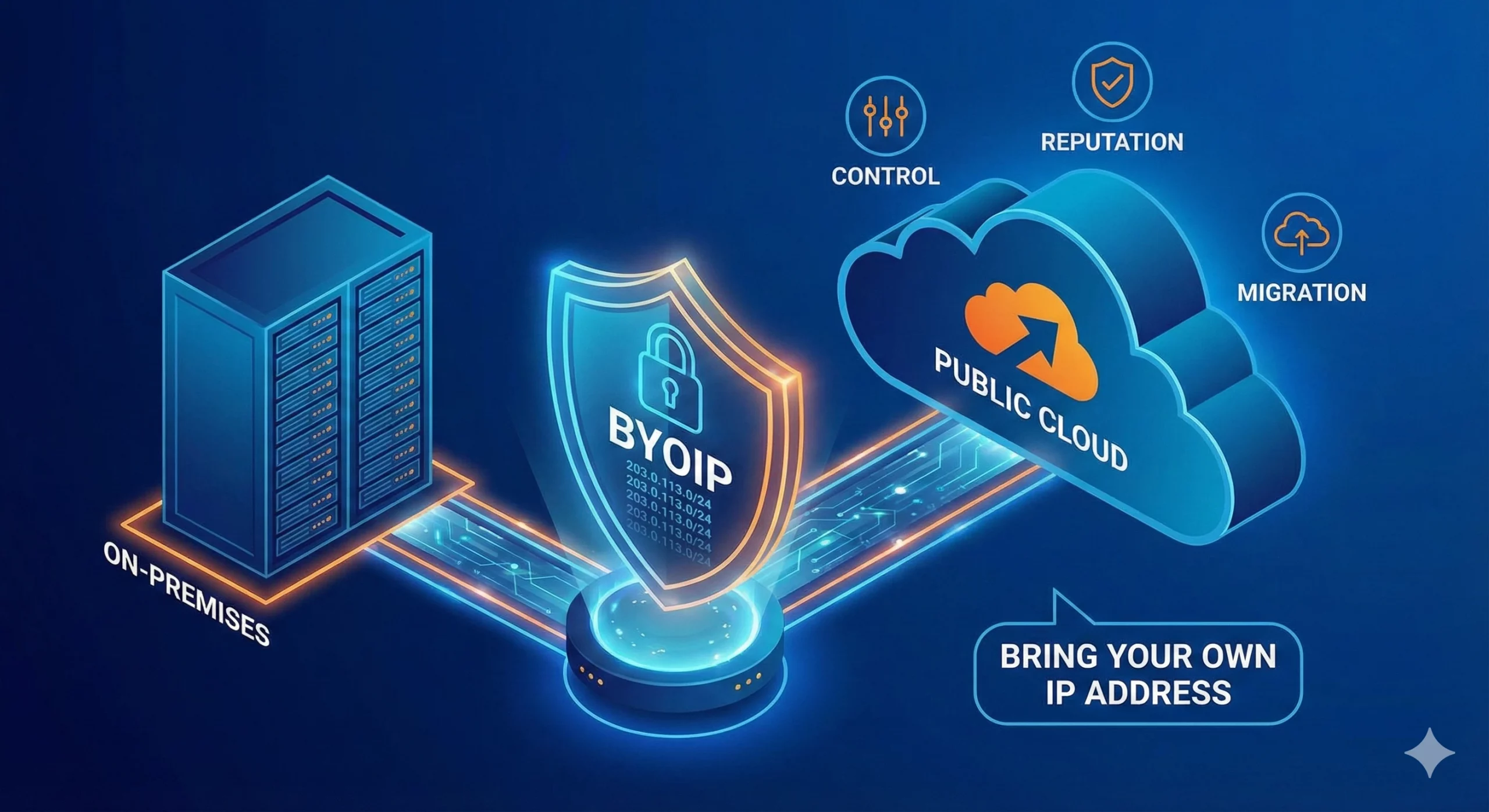
什么是BYOIP(自备IP地址)?
自带 IP(Bring Your Own IP,简称 BYOIP)是一种网络部署方式,允许企业将自己现有的公网 IP 地址段应用于云服务提供商、数据中心、内容分发网络(CDN)或其他基础设施平台。 企业无需使用服务提供商分配的新公网 IP 地址,而是可以使用自己已拥有或已获授权使用的 IPv4 或 IPv6 地址前缀。服务提供商会验证该组织对该地址段的使用权限,并在支持的情况下,通过其自身网络对该地址段进行路由公告(Advertise)。 BYOIP 有助于企业在迁移至云平台时保留现有的防火墙规则、白名单(Allowlists)、客户系统集成、IP 信誉(IP Reputation)、DNS 配置以及既有的网络身份。这不仅能够减少因更换 IP 地址而带来的业务中断,还能降低对服务提供商分配 IP 的依赖,使未来的基础设施迁移与扩展更加灵活且易于管理。 对于需要 BYOIP 地址资源的企业,可选择 购买 IPv4 地址(Buy IP),以获得长期控制权;如果更重视灵活性,也可采用 IPv4 租赁(IPv4 Leasing),按业务需求获取公网 IP 资源。 什么是BYOIP? BYOIP 是 Bring Your Own IP(自带 IP)的缩写。这是一种网络部署模式,允许组织将现有的公网 IP 地址段带入云服务提供商或其他基础设施平台使用。 在 BYOIP 模式下,组织仍然拥有或保留该 IP 地址段的使用权,而平台则获得授权,可在其基础设施中对该地址段进行路由公告(Advertise)和使用。随后,这些 IP 地址可分配给虚拟机(Virtual Machines)、负载均衡器(Load Balancers)、VPN 网关、内容分发服务(CDN)、安全平台以及公网应用程序端点等受支持的服务。 例如,一家企业将应用程序从本地数据中心迁移到云环境时,可能并不希望更换现有的公网 IP 地址。这些 IP 地址可能已经存在于客户白名单(Allowlists)、防火墙策略、DNS 记录、合作伙伴配置以及电子邮件信誉(Email Reputation)数据库中。 BYOIP 使企业能够在迁移工作负载的同时,继续使用原有的公网 IP 地址,从而保持更一致的网络身份,并减少因更换 IP 地址而带来的配置调整和业务影响。 Related Posts 什么是电信公司?电信运营商如何为英国、美国和加拿大提供网络连接支持? 电信公司(Telco Companies),也称为电信运营商(Telecommunications Companies),提供通信与网络连接服务。这些服务包括移动通信网络、宽带互联网、光纤连接、固定电话服务、企业网络连接、云连接、托管网络服务以及数据中心连接等。 对于普通消费者而言,电信公司通常被视为移动通信或宽带互联网服务提供商。对于企业来说,电信公司远不只是一个服务品牌,更是关键的基础设施合作伙伴,帮助企业连接办公室、数据中心、云平台、远程员工、客户应用程序以及各类数字化服务。 随着企业越来越依赖云平台、SaaS 应用、AI 工具、VPN、网络安全系统以及在线服务,电信公司已成为数字基础设施规划中不可或缺的重要组成部分。 电信公司是什么? 电信公司(Telco Companies)是提供电信服务的企业。这些服务让个人、设备、企业和各种系统能够跨越距离进行通信与连接。 一家电信公司可能提供以下服务: 移动通信服务 宽带互联网 光纤连接 固定电话服务 企业互联网接入 企业广域网(WAN)服务 云连接服务 数据中心连接 VPN TCP 与 UDP:IPv4 租赁和企业网络指南 TCP 和 UDP 是互联网中最重要的两种传输层协议。它们决定数据如何在设备、服务器、云平台、VPN 网关、DNS 解析器、电子邮件系统、流媒体平台以及企业应用程序之间传输。 对于企业而言,TCP 和 UDP 不仅仅是技术术语,它们会直接影响实际的基础设施性能。公网 IPv4 地址提供可从互联网访问的网络端点,而 TCP 和 UDP 则决定流量如何通过该端点进行传输。 这对于租用或购买 IPv4 地址的企业尤为重要。企业租用 IPv4 什么是区域互联网注册管理机构(RIR) 区域互联网注册管理机构(Regional Internet Registry, RIR)是负责在特定地理区域内分配和管理互联网编号资源的组织。这些资源主要包括 IP 地址(IPv4 和 IPv6)以及自治系统号(ASN),它们是支撑设备和网络在互联网上相互通信的关键要素。 如果没有一套组织完善的系统来分配唯一的 IP 地址和路由标识符,互联网便无法正常运转。RIR 确保这一过程在各自管辖的区域内保持公平、高效与一致,从而避免冲突,并提升互联网治理的透明度。 全球五大 RIR 目前全球共有五家获官方认可的 RIR,各自负责世界上特定的区域:AFRINIC – 非洲网络信息中心(非洲)APNIC – 亚太网络信息中心(亚太地区)ARIN .related-post {} .related-post .post-list { text-align: left; } .related-post .post-list .item { margin: 5px; padding: 10px; } .related-post .headline { font-size: 18px !important; color: #999999 !important; } .related-post .post-list .item .post_thumb { max-height: 220px; margin: 10px 0px; padding: 0px; display: block; } .related-post .post-list .item .post_title { font-size: 16px; color: #3f3f3f; margin: 10px 0px; padding: 0px; display: block; text-decoration: none; } .related-post .post-list .item .post_excerpt { font-size: 13px; color: #3f3f3f; margin: 10px 0px; padding: 0px; display: block; text-decoration: none; } @media only screen and (min-width: 1024px) { .related-post .post-list .item { width: 30%; } } @media only screen and (min-width: 768px) and (max-width: 1023px) { .related-post .post-list .item { width: 90%; } } @media only screen and (min-width: 0px) and (max-width: 767px) { .related-post .post-list .item { width: 90%; } }
